Iran Expands Control Measures at Strait of Hormuz
Iran has established checkpoints and fees for vessels transiting the Strait of Hormuz. The arrangements include government-to-government deals and vetting procedures.
 asiaone.com
Iran is implementing checkpoints, fees, and diplomatic arrangements to manage passage through the Strait of Hormuz. The measures apply to oil tankers and other vessels moving through the waterway. Government-to-government agreements and vetting by Iranian authorities are part of the process.
A Malta-flagged tanker named Agios Fanourios I passed through the strait and reached Iraqi territorial waters near Basra on April 17, 2026.
Vessels may face fees in exchange for transit permission.
The arrangements can involve intense screening by Iranian officials. The system allows for both formal diplomatic channels and case-by-case decisions on access.
Key Facts
Potential Impact
- 01
Shipping companies may face additional costs or delays when routing through the strait.
- 02
Oil transport schedules could adjust based on new clearance requirements.
Transparency Panel
Related Stories
 BBC News
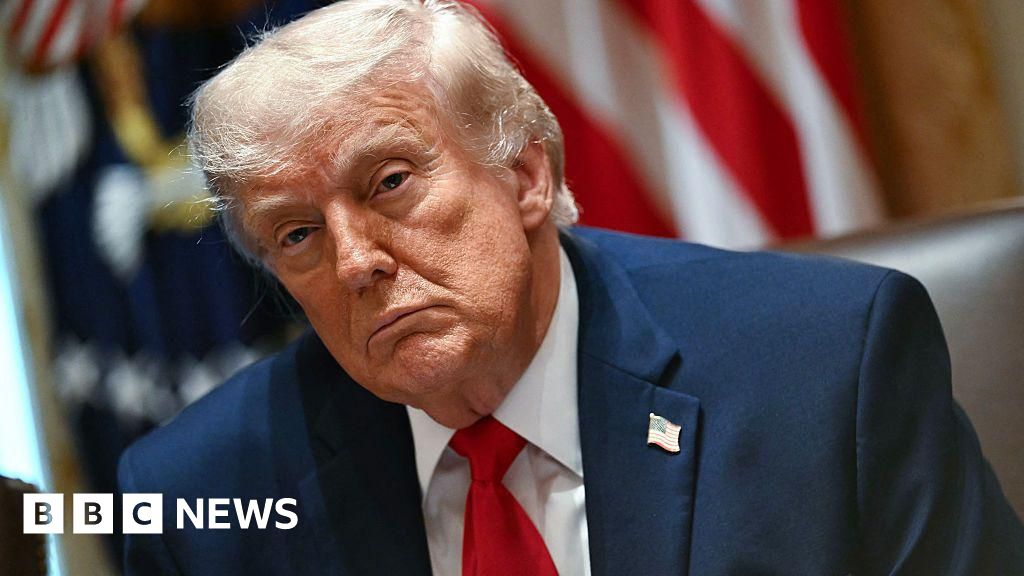
Trump Meets Advisers to Decide on Iran Ceasefire Extension
President Trump said he is holding a Situation Room meeting to make a final decision on a possible deal with Iran. The proposed agreement would extend the ceasefire by 60 days and reopen the Strait of Hormuz.
 Variety
Federal Judge Orders Trump Name Removed From Kennedy Center
A federal judge ruled Friday that the Kennedy Center board violated the law by adding President Donald Trump's name to the venue and ordered the name removed within two weeks. The same ruling blocked a planned two-year closure for renovations.
 Le Monde
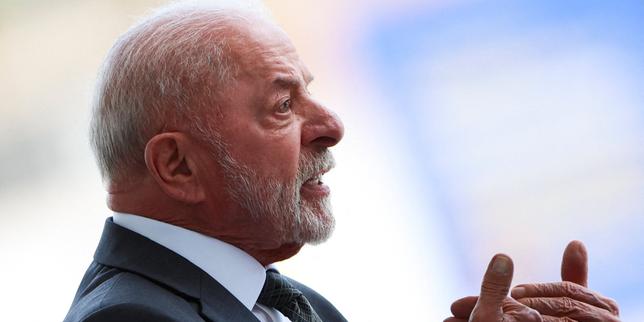
Brazil's Lula Criticizes U.S. Terror Designation of Crime Groups
Brazilian President Luiz Inacio Lula da Silva rejected the U.S. decision to label two major crime organizations as terrorist groups. He called the move a potential setback in fighting crime and warned against interference in Brazilian sovereignty.