Iran Replies to US Ceasefire Proposal
Iran has replied to the latest U.S. ceasefire proposal through Pakistani mediators, stating that negotiations must focus on permanently ending the conflict across multiple fronts including Lebanon and securing shipping lanes. The response follows a U.S. proposal that addressed ending the war, reopening the Strait of Hormuz and addressing Iran's nuclear program.
FortuneIran has sent its response to the latest U.S. ceasefire proposal to Pakistani mediators, according to the country's state-run media. The response calls for negotiations to focus on permanently ending the war on all fronts, including in Lebanon, and ensuring the security of shipping, state TV reported on Sunday.
The U.S. proposal had addressed a deal to end the war, reopen the Strait of Hormuz and roll back Iran's nuclear program. Iranian officials indicated they would prefer to discuss the nuclear issue at a later stage. There was no immediate comment from the White House on Iran's reply.
The U.S. ambassador to the United Nations told ABC that the administration is giving diplomacy every chance possible before returning to hostilities. Pakistan, which oversaw face-to-face talks between the U.S. and Iran last month, continues to pursue mediation.
In rare public comments, Pakistani army chief Field Marshal Asim Munir said Islamabad remains committed to helping end the conflict.
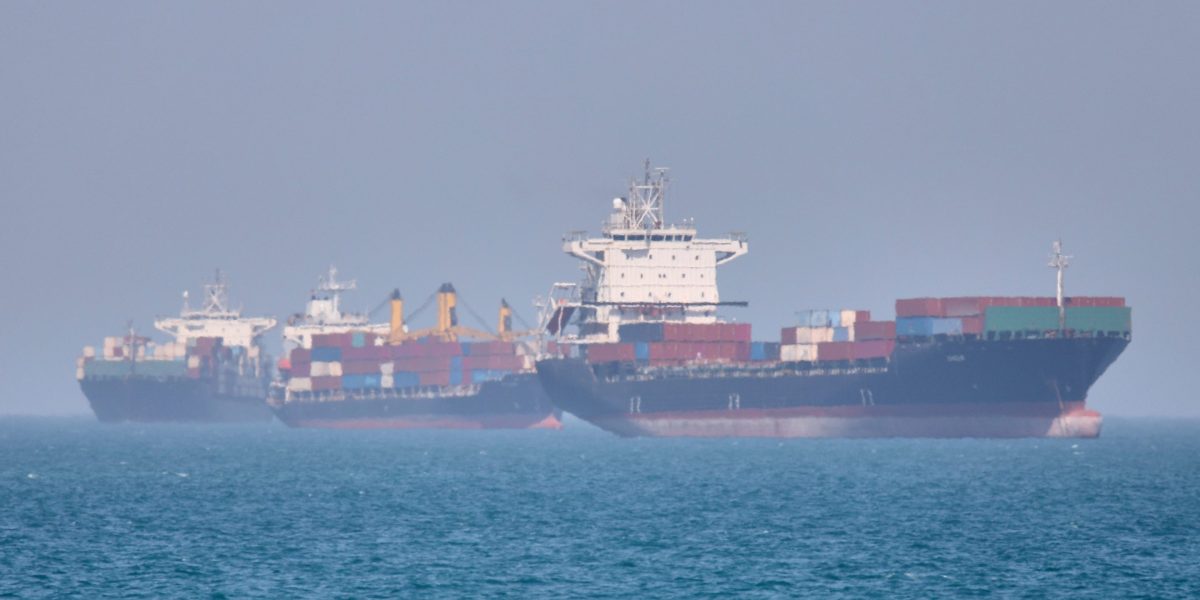
The fragile ceasefire was tested on Sunday when a drone ignited a small fire on a ship off Qatar. The United Arab Emirates and Kuwait reported drones entering their airspace, with the UAE blaming Iran for the incident. No casualties were reported and no one immediately claimed responsibility for the attacks.
The Qatari Defense Ministry said a drone targeted a commercial ship coming from Abu Dhabi into a southern port. The United Kingdom Maritime Trade Operations Center reported the attack occurred 23 nautical miles northeast of Qatar's capital, Doha. In Kuwait, the Defense Ministry did not specify the origin of the drones that entered its airspace.
Iran says it is on full readiness to protect its nuclear sites. A spokesman for Iran's military told state media that forces are prepared to defend locations where uranium is stored against possible infiltration or helicopter operations. The majority of Iran's highly enriched uranium is likely stored at its Isfahan nuclear complex.
The U.N. nuclear agency has reported that Iran possesses more than 440 kilograms of uranium enriched to 60 percent purity. This level is a short technical step from weapons-grade material. Iranian officials have reiterated that any attack on its oil tankers or commercial vessels would be met with a heavy response targeting U.S. bases in the region and enemy ships.
President Donald Trump has reiterated threats to resume full-scale bombing if Iran does not accept an agreement to reopen the strait and roll back its nuclear program. Iran has mostly blocked the strategic waterway, which is key to the global flow of oil, since the war began with U.S. and Israeli attacks on Feb.
28. The U.S. has imposed a blockade of Iranian ports in response. On Friday, the U.S. struck two Iranian oil tankers that it said were attempting to breach the blockade. Iran and armed allied groups have used drones to carry out hundreds of strikes since the war began.
South Korea announced initial findings that two unidentified airborne objects struck a South Korean-operated vessel in the Strait of Hormuz last week, causing an explosion and fire.
Key Facts
Story Timeline
5 events- May 10, 4:03 PM ET
3 new sources added: The Washington Post, The Washington Times, theamericanconservative.com
3 sourcesThe Washington Post · The Washington Times · theamericanconservative.com - 2026-05-10
Iran sends response to U.S. ceasefire proposal via Pakistani mediators.
1 sourceFortune - 2026-05-10
Drone incidents occur off Qatar and in UAE and Kuwait airspace.
1 sourceFortune - 2026-05-09
U.S. struck two Iranian oil tankers attempting to breach blockade.
1 sourceFortune - 2026-05-09
Iranian military spokesman states full readiness to protect nuclear sites.
1 sourceFortune
Potential Impact
- 01
Continued blockage of the Strait of Hormuz disrupts global oil transport routes.
- 02
U.S. and Iranian military posturing around nuclear sites increases escalation potential.
- 03
Drone incidents in Gulf waters raise risks to commercial shipping in the region.
- 04
Mediation efforts by Pakistan may lead to further direct talks between the parties.
Transparency Panel
Related Stories
EuronewsWorld Urban Forum 2026 Draws 57,000 Participants from 176 Countries
The 13th World Urban Forum concluded with discussions on housing, climate resilience and urban governance. Organisers reported that the sessions informed future strategic priorities.
theverge.comTrump Mobile website still lists T1 phone as American-made
The product page for the T1 phone continues to describe the device as American-made. The Verge reported that the site may conflict with FTC advertising rules. The phone was announced in June 2025.
France 24EU Discusses Readiness for Artificial Intelligence Changes
A France 24 program examined whether European Union policies can address the effects of artificial intelligence. The discussion covered potential impacts across daily life and economic sectors.