Iran's Foreign Minister Arrives in Beijing for Talks with Chinese Counterpart
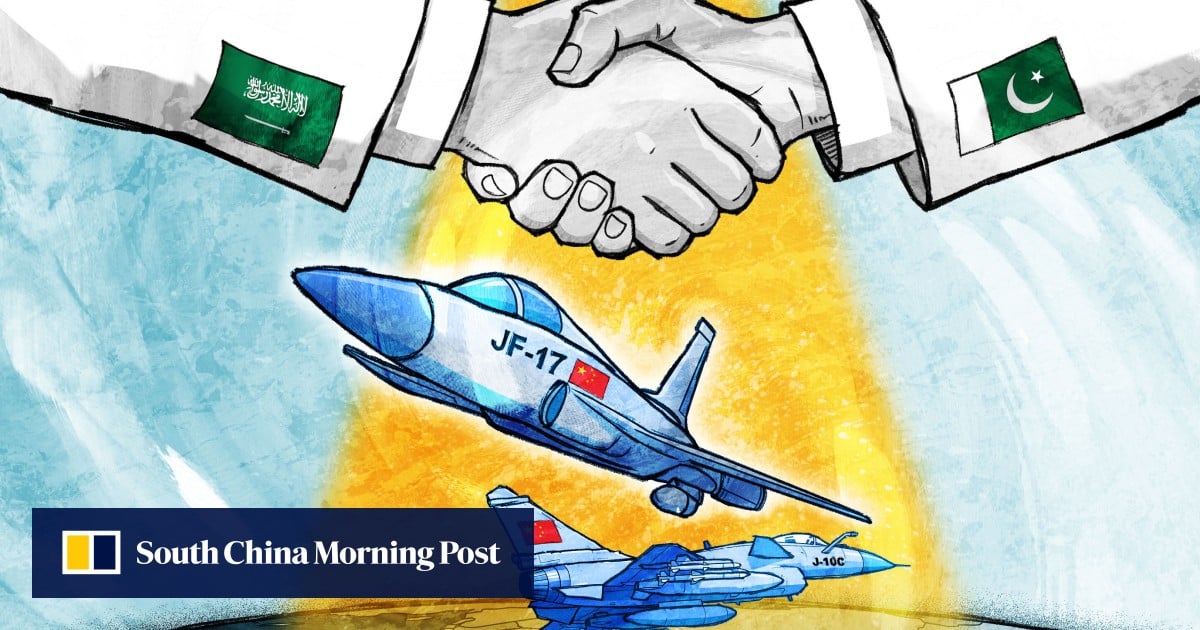
Iran's foreign minister has arrived in Beijing to hold discussions with his Chinese counterpart amid ongoing regional tensions. The visit follows stops in several other countries seen as potential mediators or allies. Separately, a new defense agreement between Pakistan and Saudi Arabia may provide indirect exposure for Chinese military technology in the context of the Iran conflict.
usbotschaftberlin / Wikimedia (Public domain)Iran's foreign minister arrived in Beijing for talks with his Chinese counterpart, according to reports from Iranian state media. The arrival was noted on Telegram by Tasnim, highlighting the meeting as part of ongoing diplomatic efforts. This visit comes after similar engagements in other nations.
The foreign minister's itinerary has included stops in Pakistan, Oman, and Russia, positioning these countries as potential mediators and allies in regional matters. China stands out due to its significant economic ties, including purchasing most of Iran's oil.
The discussions in Beijing occur ahead of a planned summit involving U.S. and Chinese leaders later this month.
Tensions surrounding Iran persist, with the ongoing conflict potentially influencing military and diplomatic strategies in the Middle East. Analysts have observed that China's cautious approach to armed conflicts has limited real-world testing of its weaponry over recent decades.
However, developments in the region could alter this dynamic without direct involvement from Beijing. Pakistan has elevated its role in Middle Eastern security, mediating between Washington and Tehran while establishing a military presence in Saudi Arabia.
This shift follows the signing of a Strategic Mutual Defence Agreement between Pakistan and Saudi Arabia. On April 11, Saudi Arabia's defense ministry announced the arrival of Pakistani military personnel at King Abdulaziz Air Base in the kingdom's eastern province.
Pakistan's imported weapons primarily originate from China, including the operational JF-17 Block III fighter jets, the most advanced variant in that series. The deployment of these assets in Saudi Arabia under the new agreement could provide exposure for Chinese defense systems in a regional context.
Observers note that this arrangement allows for real-combat validation without the risks associated with direct participation in conflicts. The agreement between the two countries emphasizes mutual defense, with Pakistan's higher profile potentially benefiting Chinese technology through indirect operational use.
This comes at a time when the People's Liberation Army maintains a limited combat footprint despite technological advancements. The Iran war is cited as a factor that could facilitate such exposure.
As diplomatic tours continue, the foreign minister's message in Beijing may influence upcoming international negotiations. China has its own engagements approaching, including a summit in May. The intersection of these diplomatic and military developments underscores the complex alliances in the region.
Pakistan's role has grown, with its military presence in Saudi Arabia marking a concrete step under the new pact. This deployment involves fighter jets and other assets, potentially testing systems in a tense environment. Reports indicate that Islamabad's mediation efforts extend to key players in the Iran tensions.
Key Facts
Story Timeline
4 events- Today
Iran's foreign minister arrived in Beijing for talks with his Chinese counterpart.
2 sources@FirstSquawk · @MarioNawfal - April 11, 2026
Saudi Arabia announced the arrival of Pakistani military at King Abdulaziz Air Base under the Strategic Mutual Defence Agreement.
1 sourceSouth China Morning Post - Recent weeks
Iran's foreign minister toured Pakistan, Oman, and Russia as potential mediators and allies.
1 source@MarioNawfal - Past few decades
China's military has seen limited combat footprint despite technological progress.
1 sourceSouth China Morning Post
Potential Impact
- 01
Mutual defense agreement strengthens Pakistan-Saudi security ties.
- 02
Diplomatic talks in Beijing will influence China's position in upcoming U.S. summit.
- 03
Pakistan's mediation role expands with military presence in Saudi Arabia.
- 04
Chinese weapons gain indirect combat exposure through Pakistani deployments.
- 05
Regional tensions around Iran persist, affecting alliance dynamics.
- 06
Iran's diplomatic tour shapes mediator involvement in conflict resolution.
Transparency Panel
Related Stories
Sen. Tim Scott Criticizes Fed Chair Powell's Plan to Stay After Term Ends
Republican Sen. Tim Scott criticized Federal Reserve Chair Jerome Powell for planning to remain on the Fed's Board of Governors after his chair term ends on May 15, 2026. Scott said the move breaks 75 years of precedent and suggested it might be aimed at President Trump. Powell c…
UAE Leaves OPEC After 60 Years of Membership, Reducing Group to 11 Producers
The United Arab Emirates departed the Organization of the Petroleum Exporting Countries on Tuesday, reducing the group's membership to 11 nations. OPEC members now account for about 33% of global crude oil output. The exit occurs amid high oil prices and the ongoing closure of th…
EuronewsUS, Japan, and South Korea Stock Indices Reach Record Highs Despite Iran War Disruptions
Major stock indices in the United States, Japan and South Korea reached new all-time highs this week, even as the war in Iran disrupts global energy markets and shipping routes. Oil prices stand at a four-year high, with 10-12 million barrels a day disrupted in the Strait of Horm…