Unbiased AI-powered news
The ongoing war with Iran has led to supply chain disruptions, causing sharp increases in prices for plastics and related products worldwide. Treasury Secretary Scott Bessent defended sanctions relief extensions and highlighted crypto's role in payments, while other officials addressed economic and sectoral impacts.
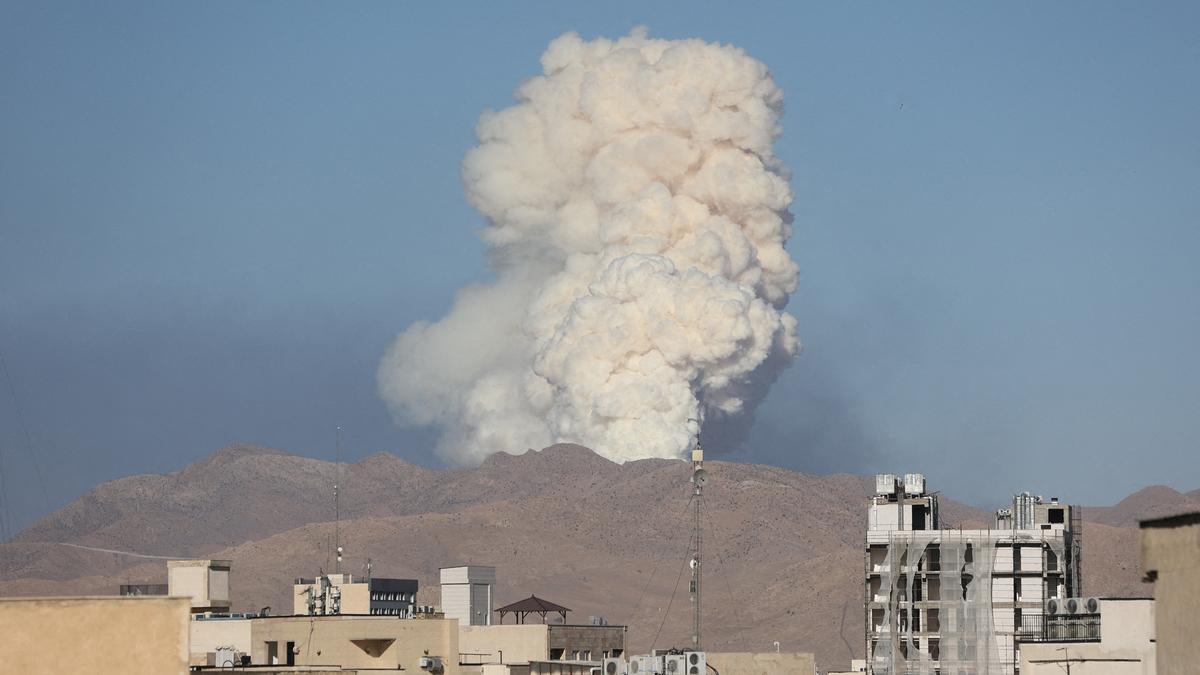
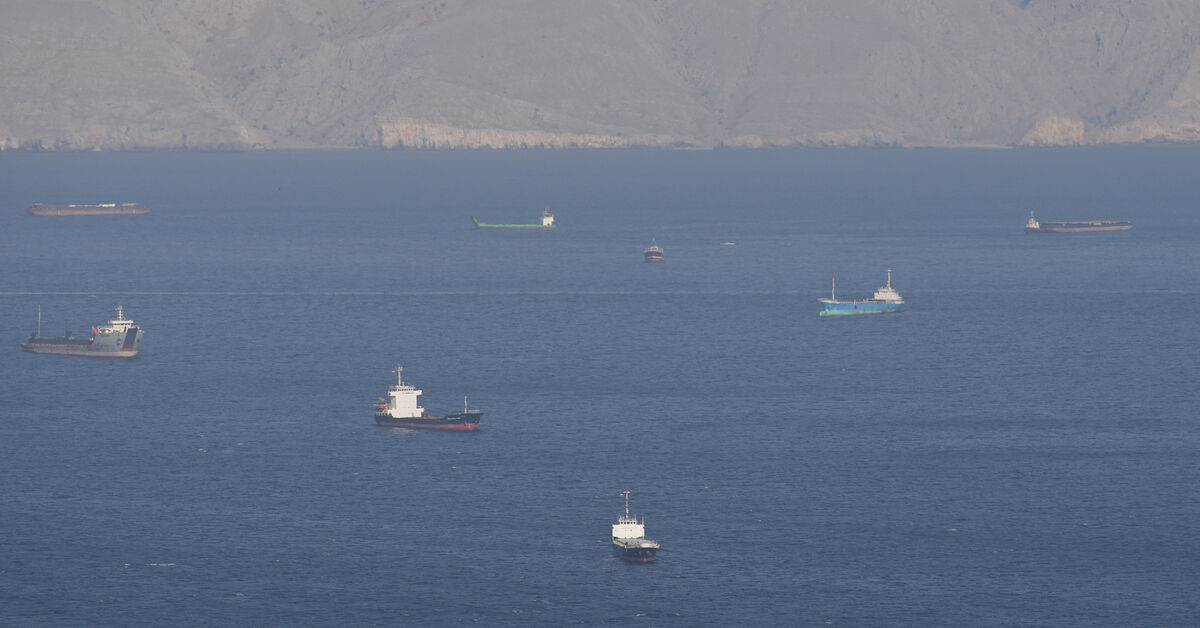
The war with Iran has triggered widespread economic fallout, with closures in the Strait of Hormuz disrupting oil and chemical supplies. This has led to surging prices for plastics, condoms, and other goods derived from petrochemicals. Global manufacturers are facing shortages, prompting price hikes and production cuts in affected regions.
Treasury Secretary Scott Bessent defended the Trump administration's decision to extend a sanctions waiver for Russian oil, stating it would help stabilize energy markets. He told lawmakers that gas prices, currently elevated, would decrease once the conflict ends.
Bessent also emphasized the need for Congress to pass legislation on digital assets and crypto market structures to position the U.S. as a payments leader.
The world's largest condom producer, Malaysia's Karex Bhd, announced plans to raise prices by 20% to 30%, with potential further increases if disruptions persist. CEO Goh Miah Kiat cited surging demand and depleted stockpiles due to shipping delays. Karex supplies brands like Durex and Trojan, producing over 5 billion condoms annually.
“Karex is also seeing a surge in condom demand as rising freight costs and shipping delays have left many of its customers with lower stockpiles than usual." — CEO Goh Miah Kiat, Tuesday (Reuters via The Guardian). Plastic production faces similar pressures, with key ingredients like naphtha in short supply. Petrochemical producers in Asia have declared force majeure, scaling back output. In China, prices for polyethylene, polypropylene, and PET have risen by at least 30%, according to a chemical analyst at Bloomberg Intelligence.”
The disruptions are rippling through manufacturing hubs. South Korean consumers experienced panic buying of trash bags in March, while Taiwan officials prioritized medical plastic supplies. India's largest bottled-water seller increased prices by more than 10% due to higher costs for bottles and caps.
Southeast Asia's synthetic rubber glove production is hit hard, with one Malaysian maker shutting down operations and others raising prices by up to 40%. This could affect tire production, as the region is a major supplier. Toy company Basic Fun's CEO reported concerns over looming cost increases and shortages from Chinese suppliers.
U.S. Dow hiked North American polyethylene prices multiple times, with increases totaling 55 cents per pound since March. Experts note this is unusual for the industry and could boost profits for American firms.
The Trump administration is discussing a currency swap line with the United Arab Emirates to provide dollar liquidity, which Bessent said would benefit both nations. Separately, Transportation Secretary Sean Duffy assured that AI tools would not replace human air traffic controllers, though they could enhance safety and efficiency.
“Am I gonna replace a controller and have AI manage the airspace? The answer to that is hell no, that's not gonna happen." — Transportation Secretary Sean Duffy, Tuesday (CBS News). Navy Secretary John Phelan stated the Navy is studying options to build ships outside the U.S. to address labor capacity issues in domestic shipbuilding. European jet fuel prices have doubled, expanding the war's impact on the real economy. Experts predict that even if the Strait of Hormuz reopens soon, supply chains could take months to normalize, potentially until year-end. This may lead to higher costs for consumer goods like toys, furniture, clothing, and packaging, contributing to inflation. The U.S. economy, amid a manufacturing renaissance, remains vulnerable to shortages of durable plastics imported from Asia. One energy economist highlighted that while fuel price spikes are visible, plastic-related increases will subtly affect consumers. Petrochemical investments in Texas and Louisiana position U.S. firms to capitalize, but global dependencies underscore vulnerabilities in plastic supply.”
These outlets didn't split into competing frames — coverage was uniform.
foodbusinessnews.netTaco Bell finished pulling affected Taylor Farms lettuce from all U.S. restaurants on July 17. Taylor Farms de Mexico also began removing iceberg lettuce from central Mexico from the U.S. market after receiving information from officials.
EuronewsApple surpassed Nvidia during intraday trading to become the world's most valuable company with a $4.88 trillion valuation. Nvidia shares fell as much as four percent during the session before recovering.
Iran's Revolutionary Guards said they stopped four tankers attempting to transit the Strait of Hormuz in a combined missile and drone operation. Two oil tankers exploded after hitting mines, the Guards stated.