Iranian Parliament Spokesperson Advises Caution for Diplomats Traveling to Pakistan
Ibrahim Rezaei, spokesperson for the Iranian Parliament's National Security Committee, stated that Iranian diplomats should avoid travel to Pakistan if possible. He suggested that if travel occurs, diplomats carry a Khaibar Shekan missile to signal potential retaliation against threats. The remarks highlight ongoing regional tensions involving Iran and its neighbors.
 Substrate placeholder — needs review
Tehran, Iran - A spokesperson for the Iranian Parliament's National Security Committee issued a statement regarding travel by Iranian diplomats to Pakistan. The comments were made amid broader geopolitical concerns in the region. The spokesperson recommended that Iranian diplomats refrain from traveling to Pakistan.
He indicated that such trips could expose personnel to risks from adversaries. If diplomats proceed with travel despite the advice, the spokesperson proposed they bring a Khaibar Shekan missile as a deterrent. The Khaibar Shekan is an Iranian-developed ballistic missile.
It is named after a historical battle and represents Iran's advancements in missile technology. The spokesperson's suggestion aims to convey to potential enemies that Iran is prepared to respond to any aggression.
relations have experienced strains due to cross-border issues, including militant activities and security incidents.
Iran's National Security Committee addresses matters related to defense and foreign policy. The statement reflects Iran's posture in a volatile Middle East, where proxy conflicts and territorial disputes persist.
Pakistan maintains diplomatic ties with Iran but also engages with other regional powers. Affected parties include diplomatic personnel and border communities in both nations.
The remarks could influence diplomatic engagements between Iran and Pakistan.
Monitoring by international observers will likely continue to assess escalations in rhetoric or actions. No immediate changes to travel policies have been announced by Iranian authorities.
The situation remains under review by the National Security Committee. Broader discussions on regional stability may follow in upcoming parliamentary sessions.
Transparency
Story details
Related Stories
 whyevolutionistrue.com
U.S. Destroys Iranian Drones, Iran Fires Missiles at Gulf States, Israel Strikes Beirut as Conflict Reaches 100 Days
U.S. Central Command said it shot down two Iranian drones threatening maritime traffic. Iran fired missiles at Bahrain and Kuwait on Saturday after earlier U.S. strikes on radar sites.
 rediff.com
IAEA Confirms No Radiation Leak After Strike on Chornobyl Nuclear Site
An IAEA team confirmed radiation levels at the Chornobyl facility remain normal and found no radioactive contamination from the strike.
 foxnews.com
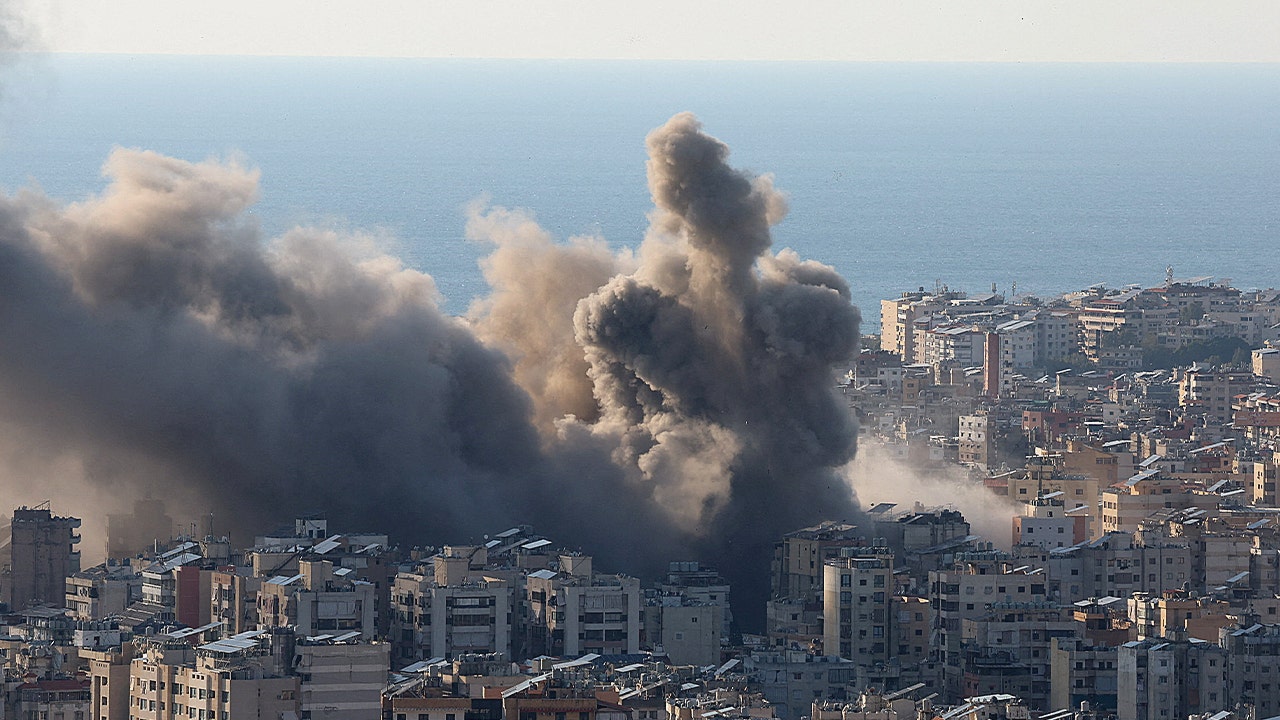
Israeli Military Strikes Hezbollah Headquarters in Beirut Suburb
The Israeli military struck Hezbollah's headquarters in Beirut's southern suburbs after reporting incoming fire from the group. Officials said the target was in Dahiyeh and described the action as a direct response to the reported fire.