Substrate
finance

Israeli Strikes Kill 41 in Lebanon in 24 Hours, Total 2,659

Israeli air strikes across southern Lebanon killed 41 people in the past 24 hours, raising the total death toll since March 2 to 2,659 with 8,183 injured. The attacks violated a ceasefire extended until mid-May, while Hezbollah pledged to continue targeting Israeli forces. Over one million people in Lebanon have been displaced by the conflict.

FI
Al Jazeera
thestockmarketwatch.com
middleeasteye.net
4 sources·May 2, 12:55 PM(3 days ago)·2m read
|
Israeli Strikes Kill 41 in Lebanon in 24 Hours, Total 2,659france24.com
Audio version
Tap play to generate a narrated version.

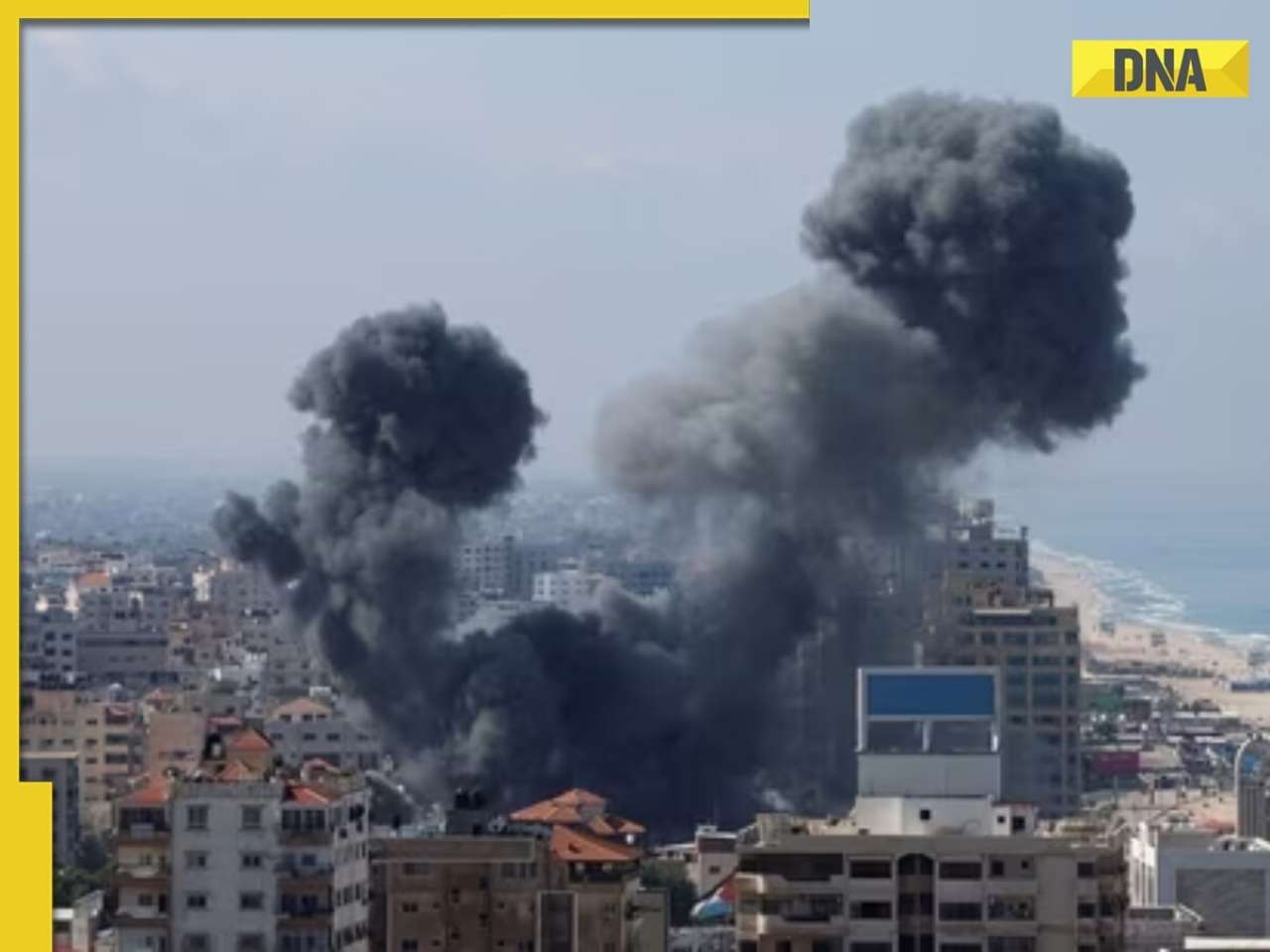
Israeli forces conducted multiple air strikes in southern Lebanon on Saturday, killing at least 41 people over a 24-hour period, according to Lebanon's Ministry of Health. The strikes targeted various locations, including towns in Nabatieh and Tyre districts, and raised the overall death toll from Israeli attacks since March 2 to 2,659, with 8,183 others injured.

News Agency reported that three people died in an Israeli attack on the town of Shoukine in Nabatieh district. An earlier strike on a car in the village of Kfar Dajjal killed two people, while a home in Lwaizeh was hit, resulting in three deaths. Two others were killed in a strike on the village of Shoukin, and Israeli warplanes also targeted the vicinity of al-Saada Bakery near the al-Quds roundabout in Nabatieh, as well as the town of Siddiqine in Tyre district.

A 10-day ceasefire began on April 17 and was extended until mid-May, but Israel has continued daily strikes, which it states target Hezbollah. Many of those killed have been civilians, and more than one million people in Lebanon have been registered as displaced since the conflict started.

Hezbollah stated on Friday that it would continue attacks on Israeli forces in Lebanese territory, reporting strikes on soldier gatherings in towns like Bint Jbeil and Hula, using artillery and suicide drones. The group also targeted a military Humvee in Taybeh and a Merkava tank in Rishaf with drones, and noted that three Israeli soldiers have been killed in recent days.

>"Essentially, it’s a diplomatic construct. " — Rory Challands, Al Jazeera correspondent, reporting from Beirut (Al Jazeera).

The conflict began on March 2 when Hezbollah fired rockets into northern Israel, two days after the United States and Israel launched a war on Iran, Hezbollah's main backer. Israel has conducted hundreds of air strikes and a ground invasion, capturing dozens of border towns and villages in southern Lebanon.

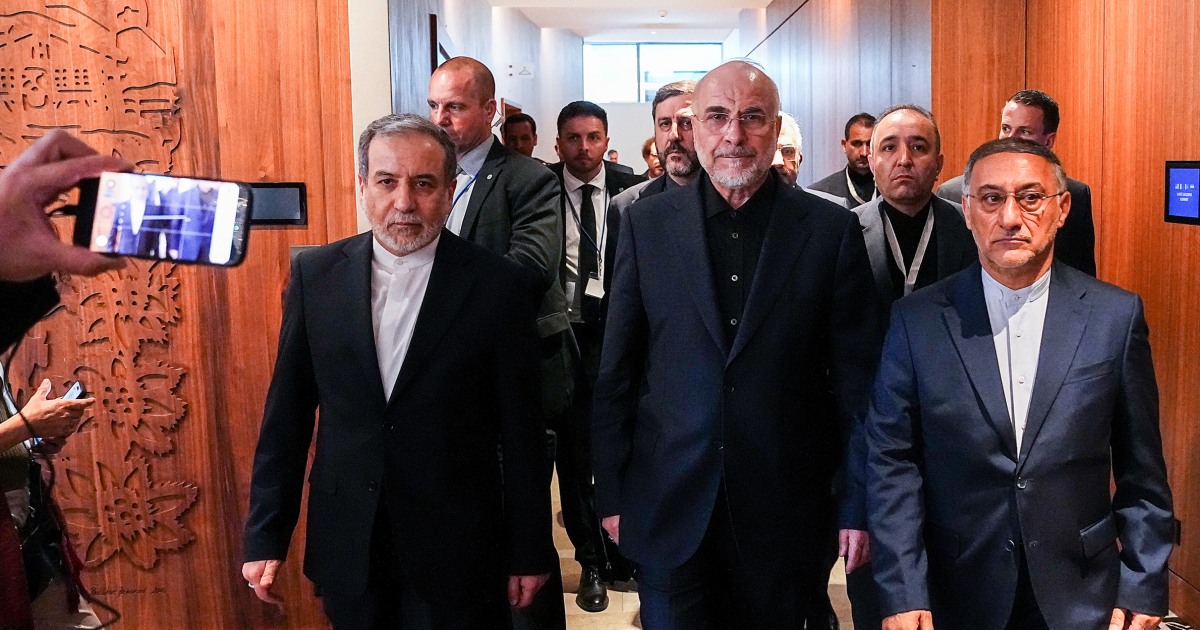
China's envoy to the United Nations stated on Friday that no real ceasefire exists, describing it as a “lesser fire”. " — Fu Cong, China's envoy to the United Nations, May 2, 2026 (Al Jazeera). Israel's Prime Minister Benjamin Netanyahu faces pressure from the public, opposition, and military to abandon the ceasefire, with senior officers expressing frustration over ongoing injuries from Hezbollah's fibre-optic drones.

Al Jazeera's correspondent in Amman reported that the Israeli army has indicated readiness to broaden the conflict if authorized.

Key Facts

2,659
total deaths from Israeli attacks since March 2
41
killed in strikes over past 24 hours
8,183
injured since March 2
1 million+
displaced in Lebanon
3
Israeli soldiers killed in recent days

Story Timeline

4 events
  1. May 2, 2026

    Israeli strikes killed 41 people in southern Lebanon over 24 hours, including attacks on Shoukine, Kfar Dajjal, Lwaizeh, and Shoukin.

    1 sourceAl Jazeera
  2. May 1, 2026

    Hezbollah pledged to continue attacks and targeted Israeli soldiers and vehicles in several southern Lebanon towns using drones and artillery.

    1 sourceAl Jazeera
  3. April 17, 2026

    A 10-day ceasefire went into effect, later extended until mid-May, but violations continued daily.

    1 sourceAl Jazeera
  4. March 2, 2026

    Hezbollah fired rockets into northern Israel, prompting Israeli air strikes and ground invasion of southern Lebanon.

    2 sourcesAl Jazeera · FirstSquawk

Potential Impact

  1. 01

    Civilian casualties in Lebanon will rise with continued daily violations.

  2. 02

    Hezbollah will escalate drone attacks on Israeli positions in southern Lebanon.

  3. 03

    Displacement in Lebanon will exceed 1.2 million as conflict expands southward.

  4. 04

    International pressure on Israel to halt strikes will increase via UN Security Council.

  5. 05

    Israeli military will broaden operations if ceasefire is abandoned.

  6. 06

    China will push for UN resolutions condemning the bombardment.

Transparency Panel

Sources cross-referenced4
Framing risk55/100 (moderate)
Confidence score74%
Synthesized bySubstrate AI
Word count443 words
PublishedMay 2, 2026, 12:55 PM
Bias signals removed4 across 2 outlets
Signal Breakdown
Loaded 2Framing 2

Related Stories

Nvidia Invests $500 Million in Corning to Boost U.S. Fiber Optic Production for Data Centerszerohedge.com
finance1 hr ago

Nvidia Invests $500 Million in Corning to Boost U.S. Fiber Optic Production for Data Centers

Nvidia formed a partnership with Corning to increase U.S. optical connectivity manufacturing capacity by 10 times and fiber production by more than 50 percent. The deal includes three new plants, over 3,000 jobs, and a $500 million equity-linked investment by Nvidia. Corning shar…

zerohedge.com
Wall Street Journal
ZE
MA
The Verge
+4
9 sources
White House Projects $529 Billion in Potential Savings Over Decade From Trump-Era Drug Pricing PolicyA derivative work by MaesterTonberry from a variety of images credited above. / Wikimedia (CC BY-SA 4.0)
finance1 hr agoDeveloping

White House Projects $529 Billion in Potential Savings Over Decade From Trump-Era Drug Pricing Policy

White House economists projected $529 billion in savings over the next decade from agreements President Donald Trump reached with pharmaceutical companies. The analysis also forecasts $64.3 billion in Medicaid savings and up to $733 billion if the framework expands.

Benzinga
1 source
Next Retailer Offsets Higher Fuel Costs With Savings and Selective Price Increasesrte.ie
finance1 hr agoFraming55Framing risk55/100Clean, fact-driven rewrite focused on Next's financial offsets and forecasts; minor inherited loaded phrasing around conflict but no strong framing signals detected.Click to jump to full framing analysis

Next Retailer Offsets Higher Fuel Costs With Savings and Selective Price Increases

Average U.S. gasoline retail prices exceeded $4.50 per gallon amid the closure of the Strait of Hormuz after the late February outbreak of Middle East conflict. Next plc will raise prices by up to 8 percent in some markets outside Europe from May to offset £47 million in added fu…

WA
JA
BBC News
3 sources