world
Jewish Council of Australia submits that far-right extremism and Israel conflation drive antisemitism
The group’s submission to the royal commission on antisemitism and social cohesion calls for greater focus on far-right extremism and warns that punitive laws and conflation of Jews with Israel can worsen the problem.
 The Guardian
Audio version
Tap play to generate a narrated version.
Developing·Limited corroboration so far. This page will refresh as more sources emerge.
The Jewish Council of Australia submitted that far-right extremism and the conflation of Jewish identity with Israel are the main drivers of antisemitism in the country. The submission, made public this week, urges the royal commission on antisemitism and social cohesion to give more attention to the “often overlooked” threat from the far right and to recognize the diversity of views within the Jewish community rather than treating Jews collectively as representatives of Israel.
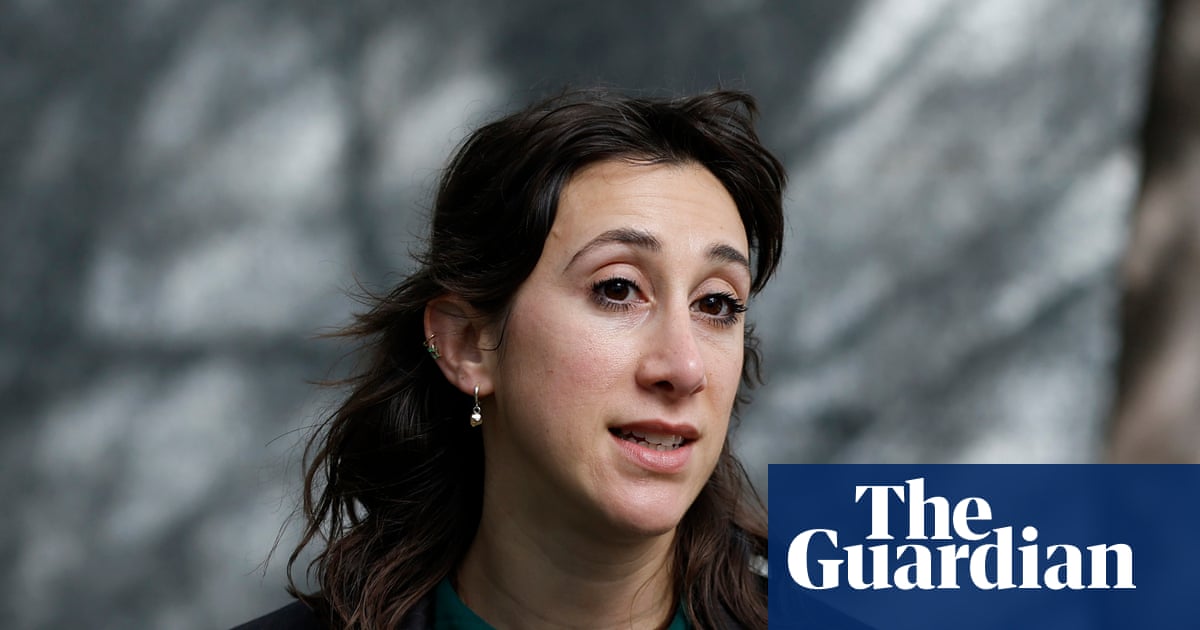
Sarah Schwartz, executive officer of the Jewish Council of Australia, stated that the “resurgent Australian far-right is a hotbed of antisemitism even as it weaponises Jewish grief to legitimise attacks on migrant communities and religious minorities”.
The submission identifies two key drivers: the “growth of far-right, neo-Nazi and conspiracist movements” and “the aggressive actions of the state of Israel and conflation of Jewish identity with Israel”. The submission argues that this conflation, which the state of Israel itself has long cultivated, causes direct harm to Jewish people worldwide when they are blamed for Israel’s actions.
It describes the Jewish Council of Australia as Australia’s largest progressive Jewish organisation, supporting human rights and Palestinian freedom and justice, with a membership of 2,500 people.
The royal commission, led by commissioner Virginia Bell, held its first block of public hearings in May and has received more than 16,000 submissions. A second block of hearings is scheduled from 29 June to 10 July and will focus on the drivers of antisemitism and hate speech, with particular attention to media and social media.

