Justice Department Subpoenas Wall Street Journal Reporters in Iran Leak Probe
Acting US Attorney General Todd Blanche defended the subpoenas on Tuesday, saying they target government leakers of classified information rather than journalists. The subpoenas, received by the Journal on March 4, relate to a Feb. 23 article about Pentagon warnings to President Trump on Iran.
France 24Acting US Attorney General Todd Blanche defended issuing subpoenas to journalists on Tuesday as part of investigations into leaks of classified information. Blanche said the effort focuses on government employees who disclose sensitive material rather than the reporters who receive it.
The Justice Department defended itself after the Wall Street Journal revealed it received subpoenas in connection with a leak investigation.
The Wall Street Journal received the grand jury subpoenas on March 4. They relate to a Feb. 23 article that reported the chairman of the Joint Chiefs of Staff and others at the Pentagon had warned President Trump about the risks of an extended military campaign against Iran.
Other news media outlets published similar stories around the same time as the Wall Street Journal's Feb. 23 article. The subpoenas demand records from Journal reporters. A Justice Department official stressed that the subpoenas are not aimed at investigating the journalists themselves but at tracking down government employees leaking classified information.
Blanche issued two statements explaining the administration's position. "Prosecuting leakers who share our nation's secrets with reporters, in turn risking our national security and the lives of our soldiers, is a priority for this administration," he said. " The development marks an aggressive use of legal tools against media organizations reporting on national security matters.
Earlier this year, the FBI executed a search warrant at the home of Washington Post reporter Hannah Natanson. Agents collected Hannah Natanson's phone, laptops, Garmin watch and portable hard drives. That search warrant at Hannah Natanson's home was part of an investigation into a government contractor who was later indicted for allegedly disseminating classified material.
Such actions stand in contrast to historical practice in Espionage Act investigations, where the department has typically pursued leakers rather than the journalists who publish the information. In April 2025, then-Attorney General Pam Bondi issued a memo that made it easier for prosecutors investigating leaks to the news media to subpoena records and testimony from journalists.
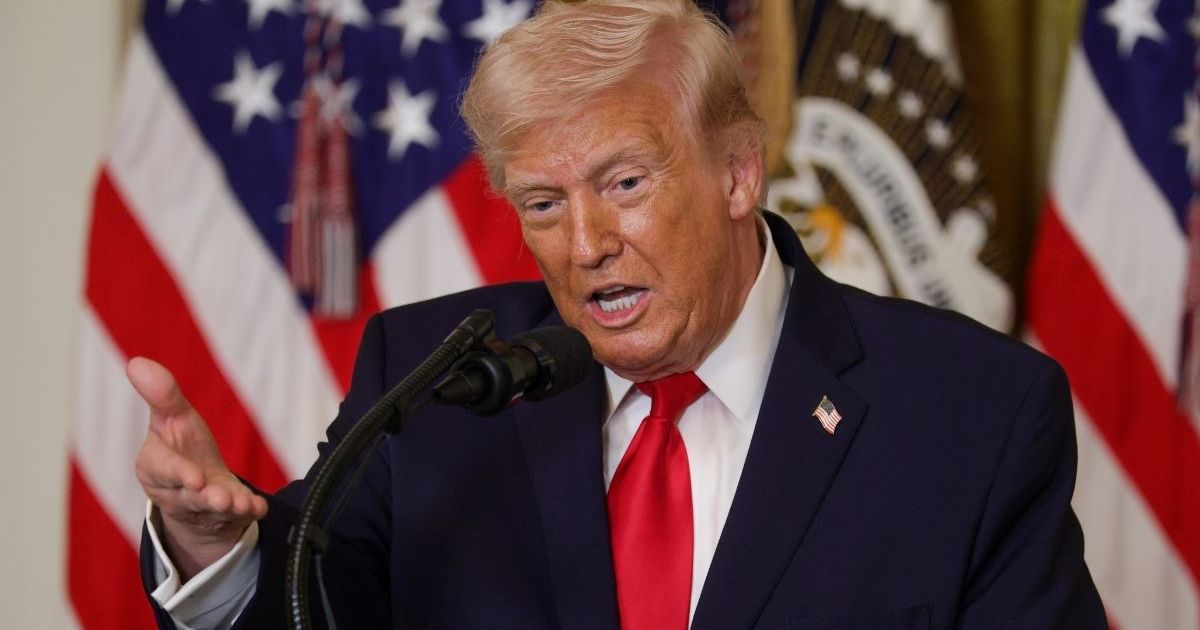
Pam Bondi's memo rescinded a policy implemented by her predecessor Merrick Garland.
Under Bondi's regulations, prosecutors in criminal investigations are allowed to use subpoenas, court orders and search warrants to compel production of information and testimony by and relating to members of the news media. The Biden administration had previously imposed new restrictions that made it much harder to seize reporters' phones and email records.
The current approach revives tactics that drew criticism during President Trump's first term, when the department secretly served subpoenas on both journalists and congressional staff members in leak investigations.
Dow Jones chief communications officer Ashok Sinha condemned the subpoenas. " Blanche did not name any specific outlet in his public remarks on Tuesday, though they followed the Journal's disclosure by one day. The subpoenas tie directly to coverage of internal Pentagon debates over potential military action against Iran, a subject that generated reporting across multiple organizations in late February.
Key Facts
Story Timeline
5 events- 2025-04
Then-Attorney General Pam Bondi issued a memo easing subpoena rules for leak investigations and rescinding Merrick Garland's policy
1 sourceCBS News - 2026-02-23
Wall Street Journal published article on Pentagon warnings to President Trump regarding extended Iran military campaign
2 sourcesThe Wall Street Journal · CBS News - 2026-03-04
Wall Street Journal received grand jury subpoenas demanding records from its reporters
1 sourceThe Wall Street Journal - 2026-05-12
Wall Street Journal publicly revealed receipt of the subpoenas
2 sourcesFrance 24 · CBS News - 2026-05-13
Acting US Attorney General Todd Blanche defended the subpoenas in statements emphasizing priority of prosecuting leakers
3 sourcesAFP · France 24 · CBS News
Potential Impact
- 01
Dow Jones stated it will vigorously oppose the subpoenas, citing constitutionally protected newsgathering
- 02
Revival of aggressive subpoena tactics against media in national security leak cases after Biden-era restrictions
- 03
Potential escalation in tensions between Trump administration and news organizations covering Iran policy
Transparency Panel
Related Stories
VarietyFederal Judge Orders Trump Name Removed From Kennedy Center
A federal judge ruled Friday that the Kennedy Center board violated the law by adding President Donald Trump's name to the venue and ordered the name removed within two weeks. The same ruling blocked a planned two-year closure for renovations.
Brazil's Lula Criticizes U.S. Terror Designation of Crime Groups
Brazilian President Luiz Inacio Lula da Silva rejected the U.S. decision to label two major crime organizations as terrorist groups. He called the move a potential setback in fighting crime and warned against interference in Brazilian sovereignty.
nypost.comGiants QB Jaxson Dart Addresses Trump Rally Introduction With Teammates
New York Giants quarterback Jaxson Dart spoke publicly for the first time about introducing President Donald Trump at a May 22 event. He addressed the team during a Tuesday meeting after teammate Abdul Carter posted criticism on social media.