science
Laos Shops Sell Ivory and Pangolin Scales to Chinese Tour Groups
The Guardian gained access to multiple shops in Laos offering illegal wildlife products including pangolin scales, ivory and tiger bones. The findings point to rising trade linked to Chinese tourism and the Laos-China railway.
Jul 14, 7:17 AM·1m read1 source
 The Guardian
Audio version
Tap play to generate a narrated version.
Developing·Limited corroboration so far. This page will refresh as more sources emerge.
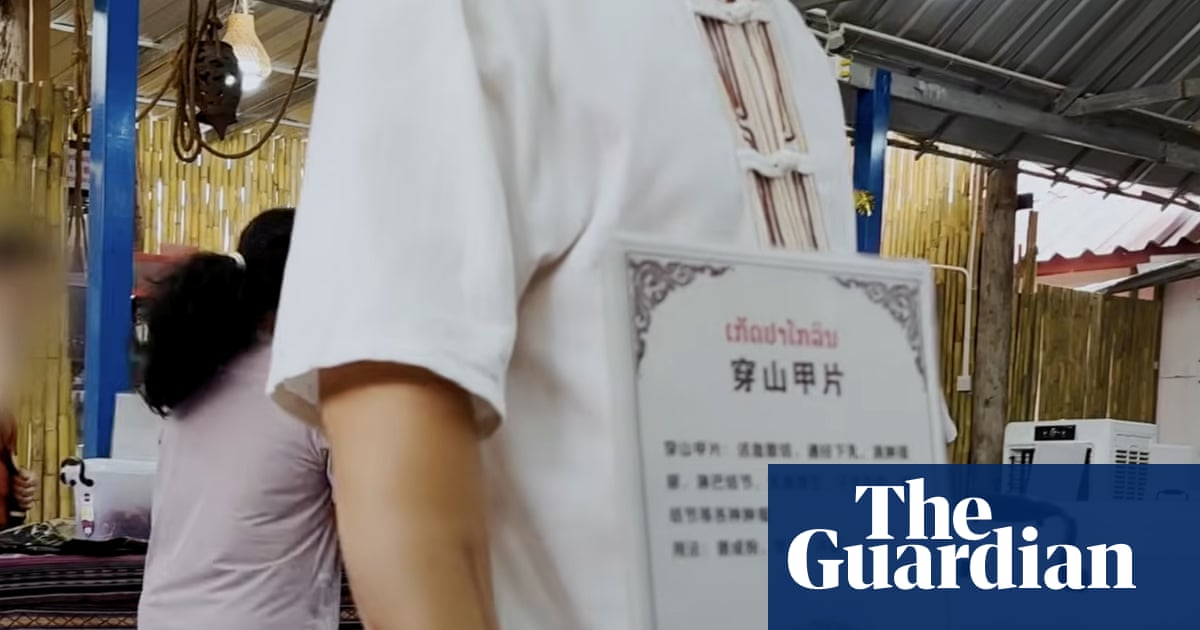
The Guardian gained access to multiple shops in Laos that sell illegal wildlife products including ivory bracelets, crocodile hides, reptile-skin belts, pangolin scales and tiger bones. The shops were often disguised as tea or cigarette outlets or presented as cultural centres for Chinese tourists. Some featured sturdy electric gates and CCTV.
Upstairs rooms contained glass cases holding the banned items, with pangolin scales displayed in serving bowls. More than one million pangolins have been poached in the past decade. Conservationists estimate one is taken every three minutes.
The animals are the only mammals covered exclusively in keratin scales, have no teeth and curl into a ball when threatened. Several species are now critically endangered. Jeremy Phan, director of the Lao Conservation Trust for Wildlife, said it was very unusual to find a pangolin in Vientiane two years ago.
His team has since rescued increasing numbers in the capital. One rescue involved a three-week-old pangolin offered for sale in a restaurant. Its mother was almost certainly killed in the trade. The infant was collected hours after two other pangolins were recovered elsewhere.
The Laos-China railway, completed in 2021, runs more than 600 miles from Kunming to Vientiane and has carried more than 73 million passengers. The line has enabled low-cost tour groups from China. Chinese activist Brother Nut joined one such tour undercover and recorded footage of stalls displaying whole dead pangolins and bowls of scales.
Sales staff claimed the products cure cancer and reduce inflammation. There is no scientific evidence that pangolin treats any medical condition. His group spent about 100,000 yuan at the businesses during the trip.