Topic
wildlife-trade
6 stories related to this topic, newest first.
 Substrate placeholder — needs review
world28 days ago
Congo Reports Over 1,000 Suspected Ebola Cases Since May 15 Outbreak
Health authorities have recorded at least 220 deaths in the current Ebola outbreak in eastern Congo. The outbreak involves the Bundibugyo strain, which has no approved vaccines or treatments.
 pbs.org
science45 days ago
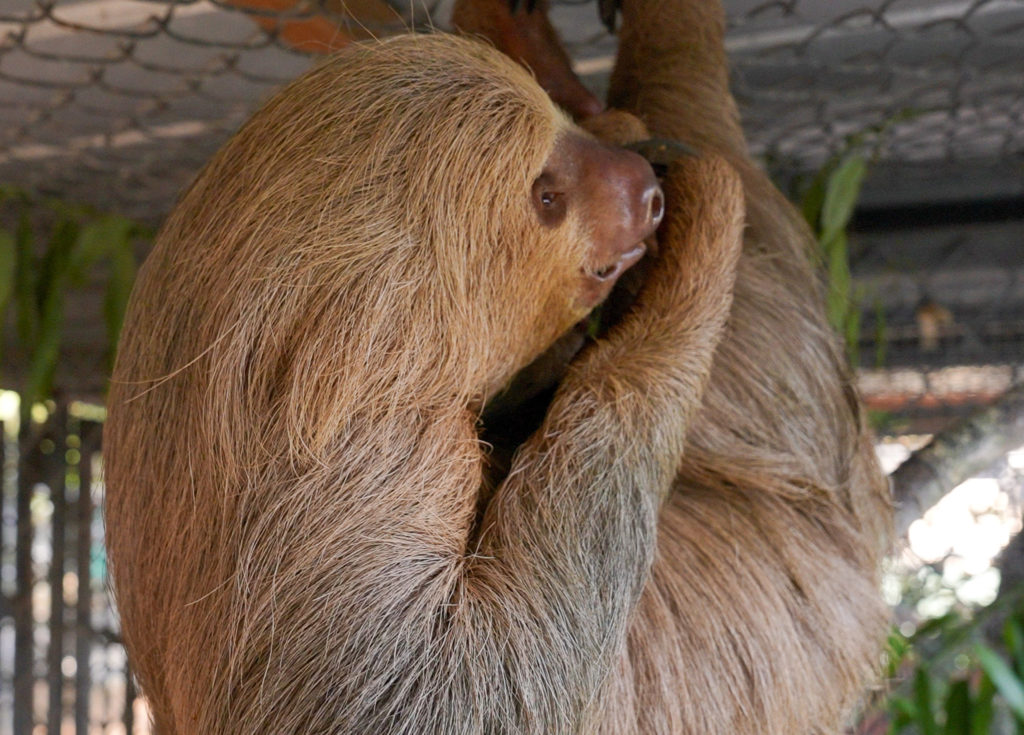
Florida Halts Sloth Imports for Two Months After Dozens Die at Orlando Facility
The Florida Fish and Wildlife Conservation Commission ordered a temporary ban on sloth imports following the deaths of dozens of wild-born animals at a business called Sloth World. The two-month prohibition took effect Wednesday and will last until July 10. More than 98 percent o…
Substrate placeholder — needs reviewscience75 days ago
Study Links Duration in Wildlife Trade to Increased Pathogen Sharing with Humans
A study published in Science analyzed global wildlife trade data and found that 41% of traded mammal species share at least one pathogen with humans, compared to 6.4% of non-traded species. The research indicates that the number of shared pathogens increases over time, with speci…
Substrate placeholder — needs reviewscience78 days ago
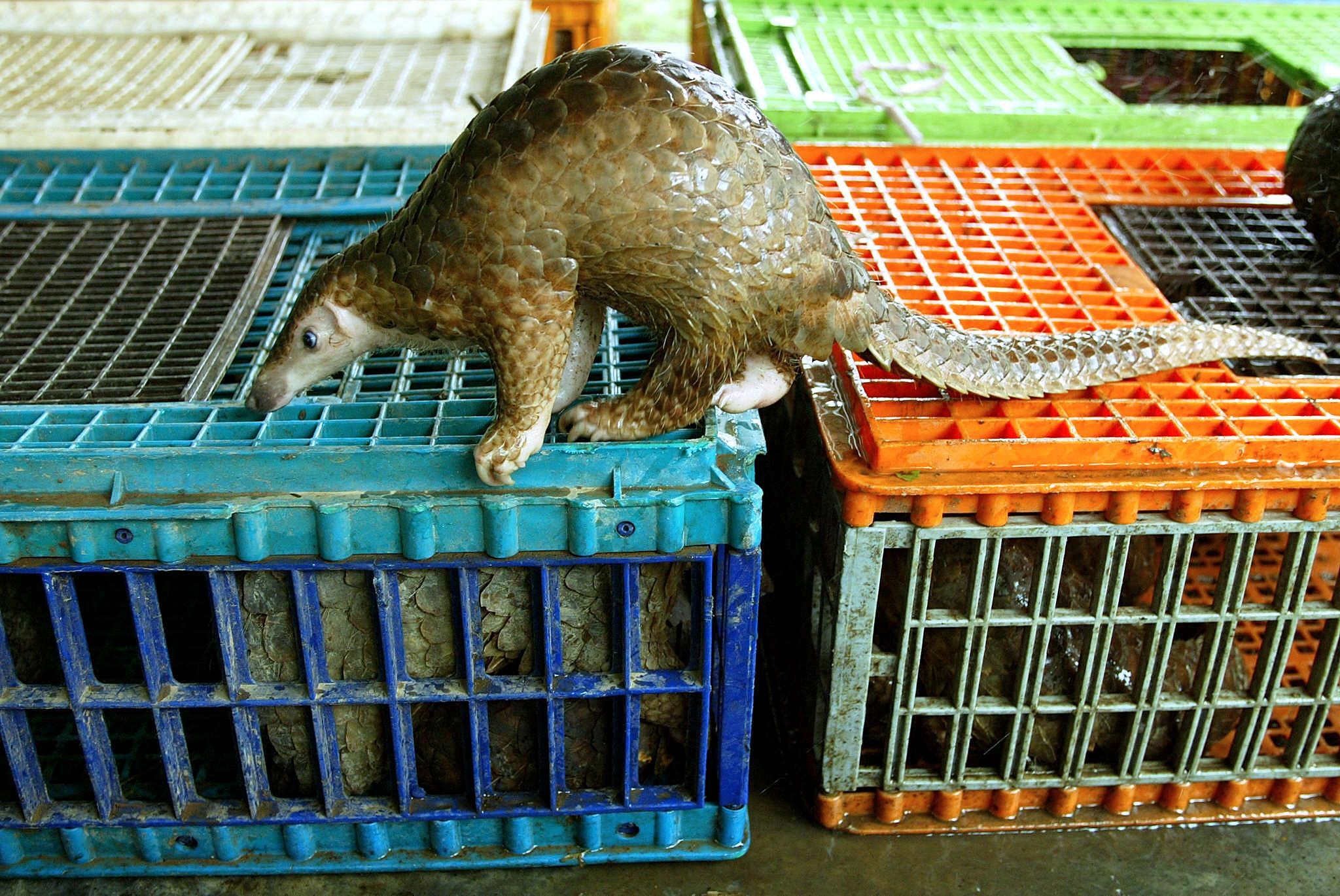
Study Finds Nearly Half of Traded Wild Mammal Species Carry Human Pathogens
A study published in Nature indicates that nearly half of wild mammal species involved in trade for food, fur, research, and traditional medicines carry at least one pathogen capable of causing disease in humans. The research analyzed data from over 4,000 wild mammal species and…
NA
 Npr
Nprscience79 days ago
Study Finds Traded Mammals 1.5 Times More Likely to Carry Human Pathogens
A study published in Science analyzed databases of pathogens and wildlife trade data, finding that traded mammals are about 1.5 times as likely to share pathogens with humans compared to non-traded mammals. The research highlights risks from live animal markets and illegal trade.…
Substrate placeholder — needs reviewscience79 days ago
Study Finds Traded Mammals 50 Percent More Likely to Share Pathogens with Humans
A study published in Science analyzed over 2,000 traded mammal species and found that 41 percent share at least one pathogen with humans, compared to 6.4 percent of non-traded species. Traded mammals are 1.5 times more likely to share pathogens. The research highlights risks from…