Unbiased AI-powered news
The Uber-backed micromobility company disclosed roughly $846 million in obligations due within 12 months and warned it may not continue as a going concern without a successful public offering or debt restructuring. Lime CEO Wayne Ting has discussed going public with TechCrunch as far back as 2020.
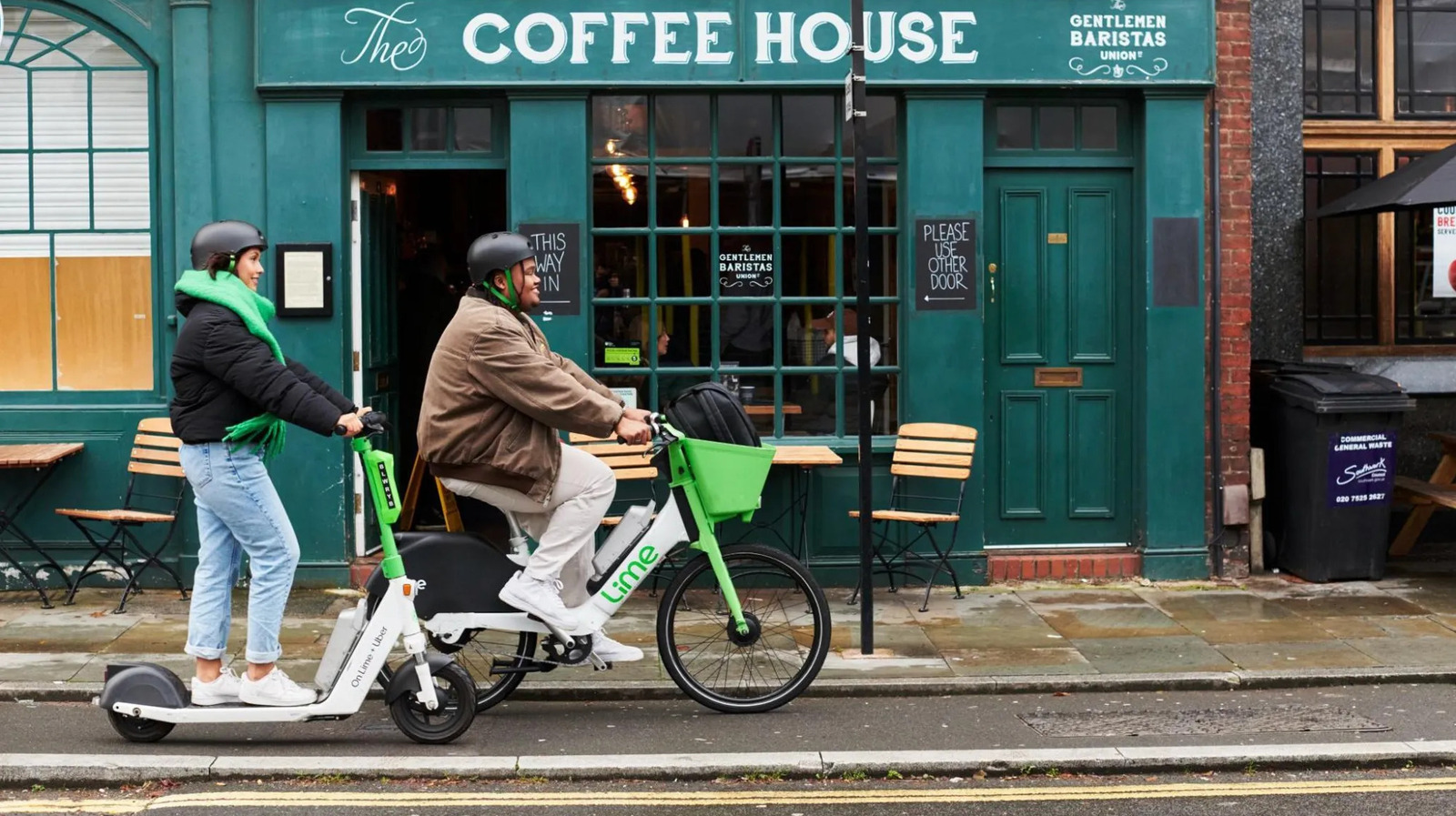
EngadgetU.S. Securities and Exchange Commission early Friday morning in 2026. The move marks the latest step in a long-running effort by the Uber-backed electric bike and scooter rental company to reach the public markets.
Lime CEO Wayne Ting has been talking about an IPO for years. TechCrunch spoke to him about it in 2020, 2021, and 2023. The S-1 shows the company generating climbing revenue and positive free cash flow while narrowing net losses after 2023, though losses ticked up slightly between 2024 and 2025.
Uber remains an important partner. 3% of Lime's revenue came through its partnership with Uber, which lets customers find and rent scooters and e-bikes through the ride-hailing app.
Yet the filing lays out substantial liquidity pressure. Lime had about $1 billion in current liabilities.
Lime stated in its S-1 that if it cannot go public and raise necessary capital or change its debt agreements, it may not be able to continue operating as a business. The company also flagged risks tied to city investment in public road infrastructure, noting that potholes can damage shared scooters.
The IPO filing shared the spotlight this week with rapid developments elsewhere in transportation technology.
Last summer, Uber announced a plan to launch a premium robotaxi service using Lucid Gravity vehicles equipped with Nuro’s autonomous vehicle technology. Uber said it would invest $300 million in Lucid and buy at least 20,000 of the EV maker’s new Gravity SUV over the next six years. Uber recently raised its investment in Lucid to $500 million and pushed the vehicle order to 35,000.
Uber’s total financial commitment to Nuro, including participation in the startup’s Series E round last year and future milestone-based investments, is nearly $500 million, according to a source familiar with the deal. Nuro is testing Lucid vehicles in autonomous mode with a human safety operator in the driver’s seat.
Last month Nuro expanded testing to allow Uber employees to request an autonomous ride in a Lucid robotaxi with a human safety operator still on board.
Nuro received a driverless testing permit from the Department of Motor Vehicles and a permit from the California Public Utilities Commission. Autonomous trucking companies also disclosed new commercial traction. Kodiak AI locked in a commercial contract with Roehl.
’s log-hauling operations in Alberta, Canada. Kodiak AI announced a collaboration with General Dynamics Land Systems to create autonomous ground vehicles for defense applications. 50 each.
10 before the $100 million raise announcement. Kodiak AI’s stock price fell 37% in after-hours trading after the financing and Q1 earnings release. Elsewhere, Moment Energy raised a $40 million Series B funding round led by Evok Innovations.
Rocsys raised $13 million in an extended Series A round led by Capricorn Partners. Aurora has started hauling loads in driverless trucks in Texas for distribution giant McLane. The later-release 2026 Tesla Model Y is the first vehicle to meet the National Highway Traffic Safety Administration’s new benchmark under the updated New Car Assessment Program.
Volkswagen is now Rivian’s largest shareholder, pushing Amazon out of the top spot. TechCrunch reported all of the above developments.
Single source — no framing comparison available.
abcnews.go.comThe U.S. Supreme Court issued a 6-3 decision on June 29 holding that geofence location warrants constitute Fourth Amendment searches. The ruling requires law enforcement to show probable cause before obtaining cell-phone location records from third-party companies.
blog.googleThe U.S. House approved the Kids Internet and Digital Safety Act on Monday by a 267-117 margin. The bill combines elements from 14 prior measures and now heads to the Senate for consideration.
smallbiztrends.comGoogle now offers its Nano Banana-powered image generation feature to every eligible U.S. user at no cost. The rollout follows an initial limited release to paid subscribers and earlier expansions in India and Japan.