London Aluminum Futures Reach Four-Year High Amid Gulf Supply Disruptions
Aluminum prices on the London Metal Exchange rose 1.4% to $3,547 per ton on Monday, driven by a U.S. blockade of the Strait of Hormuz set to begin at 10:00 a.m. New York time. Emirates Global Aluminum declared force majeure on parts of its contracts after halting operations at its Al Taweelah smelter due to Iranian strikes.
 Substrate placeholder — needs review
Aluminum futures on the London Metal Exchange increased to a four-year high on Monday. 4% to $3,547 per ton. U.S. U.S. m. New York time, raised concerns about supply chain disruptions in the Gulf region.
Emirates Global Aluminum (EGA), the largest aluminum producer in the Gulf, halted operations at its Al Taweelah smelter following Iranian missile and drone strikes. By Saturday, EGA declared force majeure on parts of its contract book, as reported by Bloomberg based on obtained documents. Force majeure allows suspension of contractual obligations due to unforeseen events.
The aluminum price has risen about 18% year to date. This increase aligns with broader gains in industrial metals amid supply concerns in the Gulf.
Structure Indicates Supply Strain EGA is jointly owned by Mubadala Investment Company of Abu Dhabi and the Investment Corporation of Dubai.
83 million tons of cast metal sales, representing 4% of global aluminum production. Disruptions at EGA's facilities could affect downstream industries reliant on aluminum, such as automotive and aerospace manufacturing. A key indicator of market stress is the backwardation in the LME aluminum curve.
70 on Friday. This marks the largest backwardation since 2007, reflecting heightened demand for immediate supply over future deliveries.
Traders are adjusting positions to account for potential delays in Gulf exports.
aluminum demand remains steady, supported by infrastructure and renewable energy projects.
Supply disruptions in the Gulf could lead to higher prices if prolonged. Market participants are monitoring the blockade's implementation and any responses from regional producers.
Transparency
Rewrite is largely neutral but shows minor valence skew in emphasizing supply 'disruptions' and 'strain' tied to geopolitical events.
Valence skew: terms highlight negative supply impacts without balancing demand drivers
The backwardation reflects traders efficiently pricing in temporary Gulf disruptions, potentially stabilizing prices and benefiting non-Gulf producers.
Reported by a single outlet. This score reflects source tier and factual specificity — corroboration is limited with one source.
Sources framed at 28 → our rewrite 18. We stripped 10 points of framing the sources carried in.
Story details
Related Stories
 thehindu.com
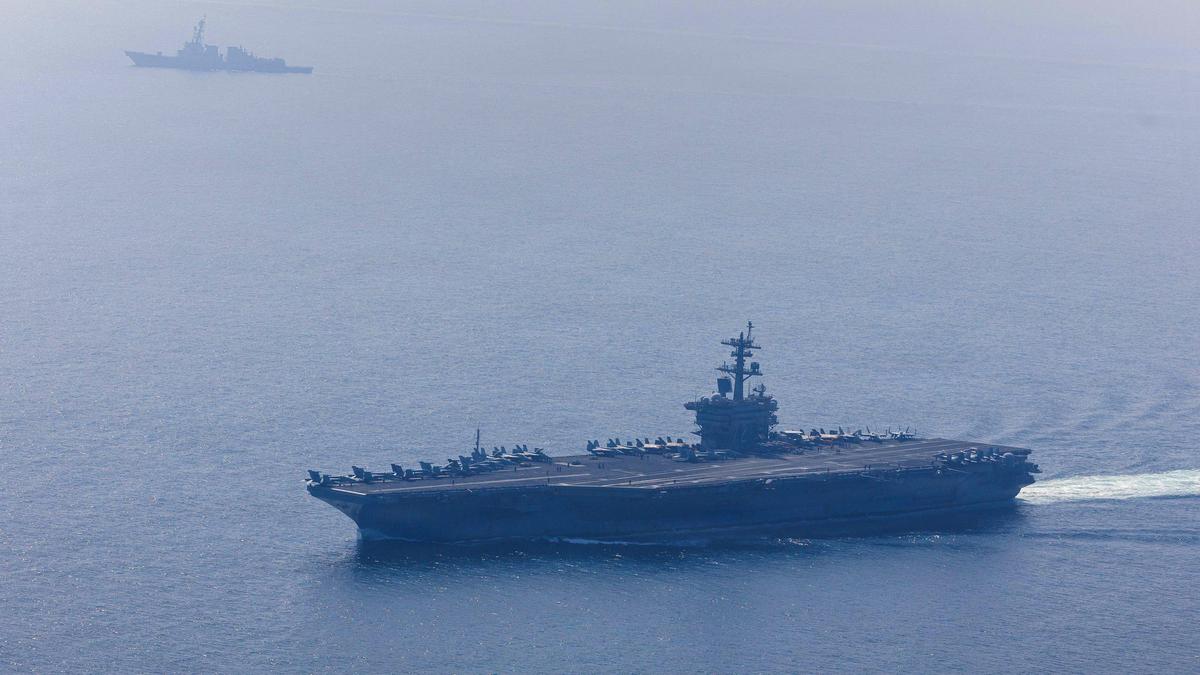
U.S. Strikes Botswana-Flagged Tanker in International Waters; Iran Blockade in Effect
A U.S. aircraft fired an AGM-114 Hellfire missile into the engine room of the M/T Lexie on Tuesday, disabling the unladen vessel as it headed toward Kharg Island. The strike followed repeated ignored warnings over 24 hours.
 al-monitor.com
U.S. Sanctions Four Iranian Crypto Exchanges, Including Nobitex
U.S. officials imposed sanctions on Iran's largest cryptocurrency exchange Nobitex and three unnamed additional platforms. The measures bar the exchanges from the U.S. financial system and prohibit American persons from dealing with them.
 news.sky.com
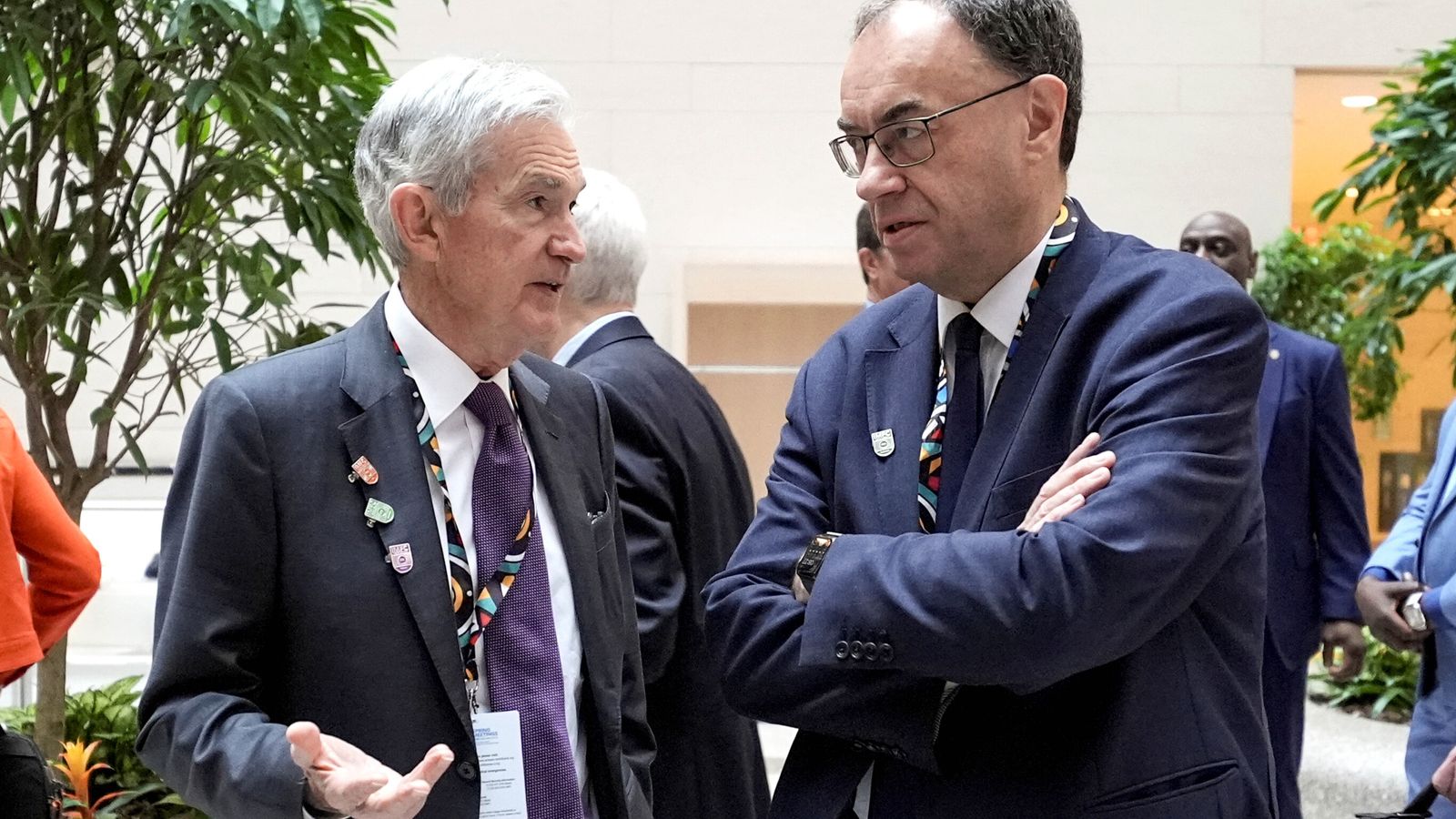
Fed Chairman Names Two Outside Advisers During Transition
Federal Reserve Chairman Kevin Warsh appointed two interim advisers shortly after taking the post. One previously contributed to a conservative plan calling for major changes at the central bank.