Substrate
science

Lower Basin States Propose 2.7 Million Acre-Feet Voluntary Colorado River Cuts Through 2028

Three lower basin states have put forward a plan for voluntary water cutbacks to stabilize the Colorado River supply amid ongoing negotiations. The proposal aims to save millions of acre-feet through 2028 while addressing tribal obligations. Deadlocked talks among seven states highlight disputes over sharing the burden of dwindling resources.

The Guardian
UN
2 sources·May 3, 8:01 PM(5 days ago)·2m read
Lower Basin States Propose 2.7 Million Acre-Feet Voluntary Colorado River Cuts Through 2028The Guardian
Audio version
Tap play to generate a narrated version.
Developing·Limited corroboration so far. This page will refresh as more sources emerge.

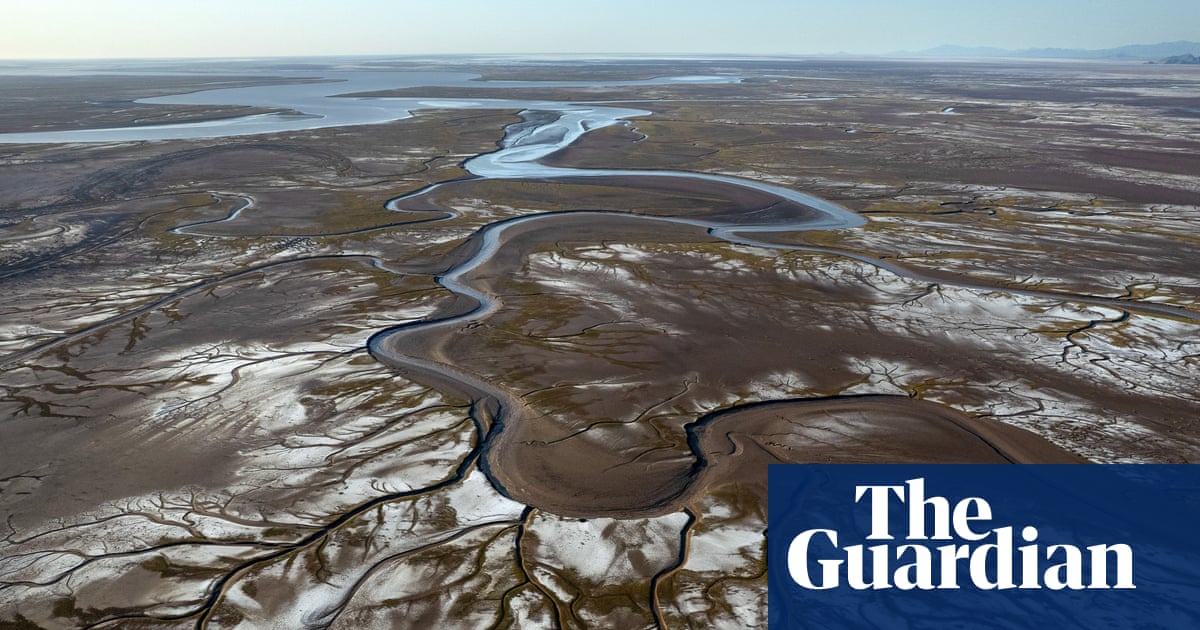
California, Arizona and Nevada have proposed voluntary water-saving measures for the next three years, aiming to buy time while negotiations remain deadlocked over the future of shrinking reservoirs filled by the Colorado River. 2 million acre-feet of water through voluntary cutbacks through 2028, with an additional 700,000 acre-feet saved through conservation measures and infrastructure improvements.

The plan includes the creation of a conservation pool to ensure that the federal government meets its trust obligations to tribes in Arizona.

“With this proposal, the Lower Basin is putting forth real action to stabilize water supply along the Colorado River,” JB Hamby, chair of California’s Colorado River Board, said in a statement. “We’re putting forward additional measurable water contributions for the system.

The proposed plan requires approval from the states’ water agencies and the Arizona legislature, along with cooperation from the federal government.

The states said the plan was structured as a unified package that should be implemented or rejected in full. The Colorado River provides water to 40 million people in the American West. Lake Mead and Lake Powell, the two massive reservoirs filled by the Colorado River, stand at historically low levels.

The low levels of Lake Mead and Lake Powell result from consistent overdrawing coupled with reduced snowpack and warming from climate change. Seven states have legal rights to water from the Colorado River. The seven states have failed to agree on how to spread the pain of lost access to the dwindling Colorado River resource.

The northern basin states of New Mexico, Utah, Colorado and Wyoming have tried to push most of the burden onto the southern basin states. The northern basin states argue that the southern basin states draw the most water from Lake Mead and Lake Powell.

The southern basin states have countered that all states should shoulder some of the responsibility. Many of the tribes' water rights remain unquantified and difficult to access.

Several western states saw record-breaking heat this winter. As of April 1, snowpack in the upper Colorado River basin stood at 23% of the historical median, according to the New York Times. "People might change their habits, where they go on holiday this year, what they're buying in the supermarket, that sort of thing," UK's Starmer said.

Key Facts

Water-saving proposal
California, Arizona, and Nevada propose voluntary measures to save 3.2 million acre-feet through cutbacks and 700,000 more through conservation and infrastructu
Reservoir levels
Lake Mead and Lake Powell are at historically low levels due to overdrawing, reduced snowpack, and climate change warming.
State impasse
Seven states with rights to Colorado River water fail to agree on sharing cuts, with northern states pushing burden to southern ones.
Snowpack data
Upper Colorado River basin snowpack at 23% of historical median as of April 1.
Tribal rights
Dozens of tribes have unquantified and hard-to-access water rights alongside the seven states.

Story Timeline

5 events
  1. 2026-05-04

    California, Arizona, and Nevada propose voluntary water-saving measures for the next three years.

    1 sourceThe Guardian
  2. 2026-04-01

    Snowpack in the upper Colorado River basin stands at 23% of the historical median.

    1 sourceNew York Times
  3. 2026 Winter

    Several western states experience record-breaking heat.

    1 sourceThe Guardian
  4. Ongoing as of 2026-05-04

    Seven states remain at an impasse over Colorado River water cuts.

    1 sourceThe Guardian
  5. Historical

    Lake Mead and Lake Powell reach historically low levels due to overdrawing, reduced snowpack, and climate change.

    1 sourceThe Guardian

Potential Impact

  1. 01

    Ongoing disputes among states prolonging deadlock, delaying long-term solutions for 40 million users.

  2. 02

    Increased pressure on water resources due to low snowpack and record heat, leading to further conservation needs.

  3. 03

    Stabilization of Colorado River water supply through voluntary cuts, potentially averting federal intervention.

  4. 04

    Fulfillment of federal obligations to Arizona tribes via conservation pool, improving access to water rights.

  5. 05

    Potential changes in public habits related to resource scarcity, such as travel and purchasing decisions.

Transparency Panel

Sources cross-referenced2
Framing risk55/100 (moderate)
Confidence score74%
Synthesized bySubstrate AI
Word count374 words
PublishedMay 3, 2026, 8:01 PM
Bias signals removed3 across 3 outlets
Signal Breakdown
Loaded 2Speculative 1

Related Stories

WHO Issues First Global Guideline on Infertility Prevention and Treatmentindianexpress.com
science4 hrs agoDeveloping

WHO Issues First Global Guideline on Infertility Prevention and Treatment

The World Health Organization released its first global guideline calling on countries to improve fertility care by making it safer, fairer and more affordable. Infertility affects an estimated 1 in 6 people of reproductive age. The recommendations cover prevention, diagnosis and…

WH
1 source
Study Identifies Mechanisms Behind Antarctic Sea Ice Decline Since 2015Euronews
science51 min agoDeveloping

Study Identifies Mechanisms Behind Antarctic Sea Ice Decline Since 2015

A University of Southampton-led study published in Science Advances traces how strengthening winds, deep ocean heat and a feedback loop drove massive Antarctic sea ice losses equivalent to nearly the size of Greenland. Lead author Aditya Narayanan described a progression from slo…

Euronews
1 source
Hiker Found Dead From Suspected Bear Attack in Glacier National ParkNbc News
science4 hrs ago

Hiker Found Dead From Suspected Bear Attack in Glacier National Park

Search crews discovered the body of a missing 33-year-old Florida man about 50 feet off the Mt. Brown Trail in Glacier National Park on Wednesday. Park officials said his injuries were consistent with a bear encounter. The last fatal bear attack in the park occurred in 1998.

Nbc News
nypost.com
globalnews.ca
foxnews.com
4 sources