politics
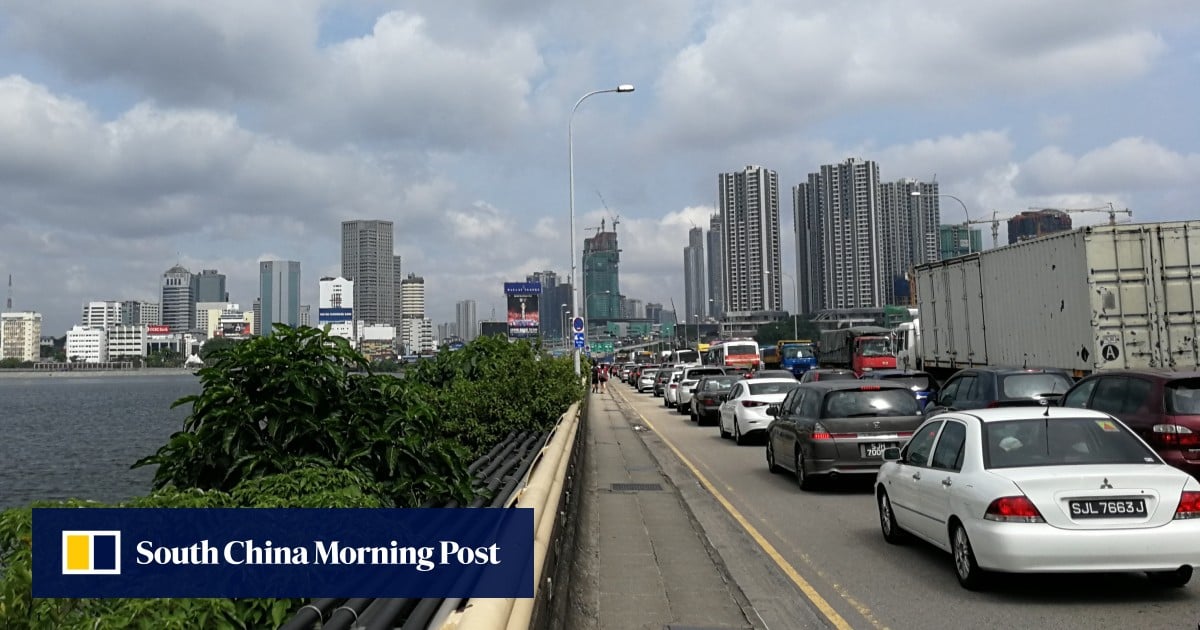
Malaysia Sets Up Task Force as Johor Election Prompts Expected Surge on Singapore Causeway
Home Minister Saifuddin Nasution Ismail said the ministry has prepared contingency plans as up to 200,000 cross-border workers may return to vote on July 11. The move addresses risks during an ongoing shift to a new immigration system at the Johor-Singapore causeway.
 South China Morning Post
Audio version
Tap play to generate a narrated version.
Developing·Limited corroboration so far. This page will refresh as more sources emerge.
Malaysia has established a special task force to handle potential traffic disruptions on the Johor-Singapore causeway ahead of the Johor state election on July 11, South China Morning Post reported. Home Minister Saifuddin Nasution Ismail said ensuring smooth cross-border movement is the ministry’s highest priority.
Tens of thousands of Malaysians who work in Singapore are expected to return home to cast ballots.
Between 100,000 and 200,000 Johoreans work in Singapore, according to 2022 local media estimates. The causeway typically handles 250,000 to 400,000 people each day, the New Straits Times has reported. Saifuddin stated on Saturday that the ministry is not taking chances.
“We have Plan A and Plan B ready to go. That is the directive I have given to the ministry,” he said, according to state-run news agency Bernama. Malaysia is transitioning to a new immigration system at its border checkpoints.
“We are still using the existing system because the transition to the new system is ongoing,” Saifuddin said. “There remains a possibility of disruptions during the migration process.