Market Volatility Impacts Young Investors Amid Middle East Conflict
Recent market swings tied to the war in the Middle East have affected the S&P 500, with daily changes exceeding 1.7% drops and 2.5% gains since late February. Young investors, particularly Gen Z, may find these fluctuations unsettling due to limited prior experience. Financial advisors recommend strategies to maintain long-term investment discipline.
 under30ceo.com
Market volatility has increased since the war in the Middle East began on February 28, 2026. 5%, according to data from Morningstar Direct. -announced two-week ceasefire on April 7, 2026. Within the first month of the war, the S&P 500 declined more than 7%.
An initial investment of $10,000 in the index on February 28 would have decreased to around $9,260 by March 29, based on Morningstar Direct calculations. As of the market close on April 13, 2026, the S&P 500 had recovered its losses from the conflict period, raising that investment value to $10,026. Stocks performed slightly better following the April 7 ceasefire announcement.
However, indices like the Nasdaq and Russell 2000 entered correction territory, defined as a decline of at least 10% from recent highs. The S&P 500 approached but did not reach this correction level during the recent weeks.
investors, including those in Generation Z born between 1997 and 2012, began saving and investing at an average age of 19, according to a 2024 Charles Schwab report.
In comparison, baby boomers started at an average age of 35. This earlier entry into investing means Gen Z individuals have less experience with market downturns and recoveries. Such initial experiences can influence emotional responses and perceptions of market behavior.
A certified financial planner noted that early declines may make volatility feel unusually dangerous, despite it being a normal aspect of long-term investing. Another advisor, a member of CNBC's Financial Advisor Council, stated that first experiences weigh heavily on how individuals view the world financially.
Market Cycles Investors can anticipate around 15 bear markets during their working years, according to a certified financial planner and president of a wealth management firm in Brooklyn, New York.
A bear market is defined as an index declining 20% or more from recent highs. Recent weeks saw increased client inquiries about potential market crashes, with the advisor responding that such events are inevitable but unpredictable in timing. These downturns offer opportunities for disciplined investors to purchase stocks at lower prices.
Time remains a key asset for younger investors over long horizons, allowing them to weather multiple corrections, bear markets, recessions, and geopolitical events. Advisors emphasize that inevitable fluctuations are part of the investment landscape.
swings provide insights into personal reactions to market changes.
One advisor remarked that intellectual knowledge of volatility differs from experiencing account value declines firsthand. If anxiety leads to discomfort with a 100% stock portfolio, even for young investors, alternatives like cash, bonds, certificates of deposit, or money market funds may be suitable. com) The optimal approach prioritizes consistency.
Investors should avoid overly conservative allocations that risk missing financial goals or withdrawing funds during downturns, which could prevent capturing recoveries.
individuals in their 20s and 30s saving for retirement, maintaining a majority of assets in stocks is common.
However, strategies may differ for near-term objectives, such as home purchases or graduate school within the next few years. Funds intended for short-term use should not be invested aggressively to reduce exposure to volatility. This adjustment helps balance growth potential with the need to preserve capital for imminent needs.
Overall, advisors stress building portfolios aligned with individual risk tolerance and time frames. As markets stabilize post-ceasefire, ongoing monitoring will be essential for adaptation.
Transparency
Mild valence skew in emphasizing negative impacts on inexperienced young investors, with selective sourcing of advisors focusing on emotional risks over broader resilience.
Valence skew: systematically highlights negative emotional impact on young investors
Market volatility offers young investors valuable buying opportunities at discounted prices, building resilience for long-term wealth growth.
Reported by a single outlet. This score reflects source tier and factual specificity — corroboration is limited with one source.
Sources framed at 15; our rewrite scored 28 — in line with the sources.
Story details
Related Stories
 winnipegfreepress.com
Israeli Arms Exports Reach Record $19B as Iran Vows to Strengthen Defenses
Israel's Defense Ministry reported Tuesday that weapons sales rose 30 percent from 2024 and have more than doubled in five years. More than half the deals exceeded $100 million each.
 fortune.com
Portugal and Austria Win U.N. Security Council Seats Over Germany
Portugal and Austria defeated Germany in a contested vote for two rotating seats on the U.N. Security Council. The new members will serve two-year terms starting January 1.
 thenation.com
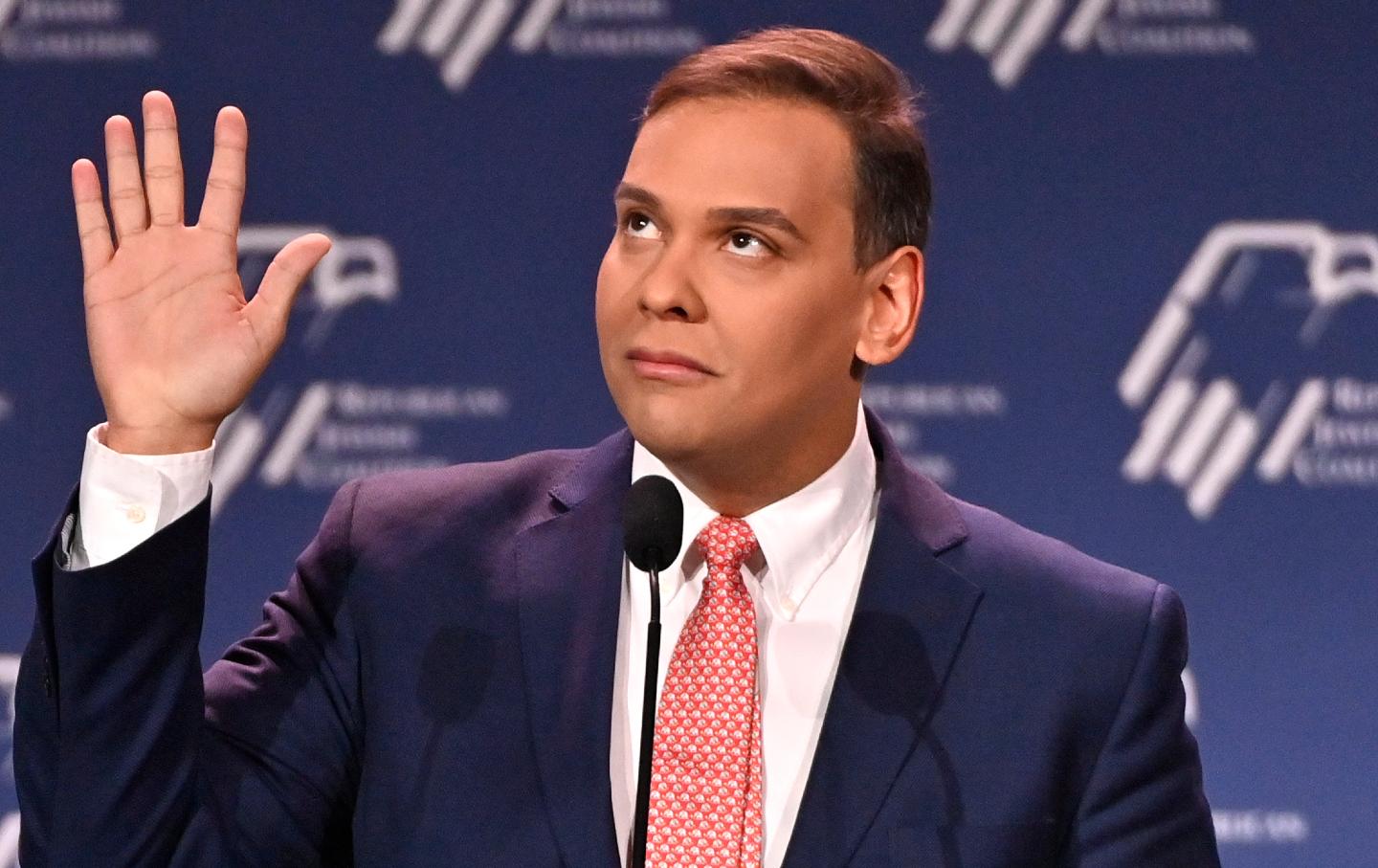
George Santos Bets on Polymarket Using Public Schedule
The prediction platform is terminating its contract with the former congressman after federal authorities opened an investigation into whether he placed bets on his own attendance at the February State of the Union address.