Mexican National Sentenced for Leading CJNG-Linked Drug Ring in North Carolina
A federal judge sentenced Jose Guadalupe Tovar Jr. to 24 years in prison for directing a Charlotte-based cell of the Cartel Jalisco New Generation that distributed methamphetamine, heroin and fentanyl. The conviction removes a key local operator from a network tied to one of Mexico’s most violent cartels and signals continued federal focus on U.S.-based leadership of transnational trafficking organizations.
 jpost.com
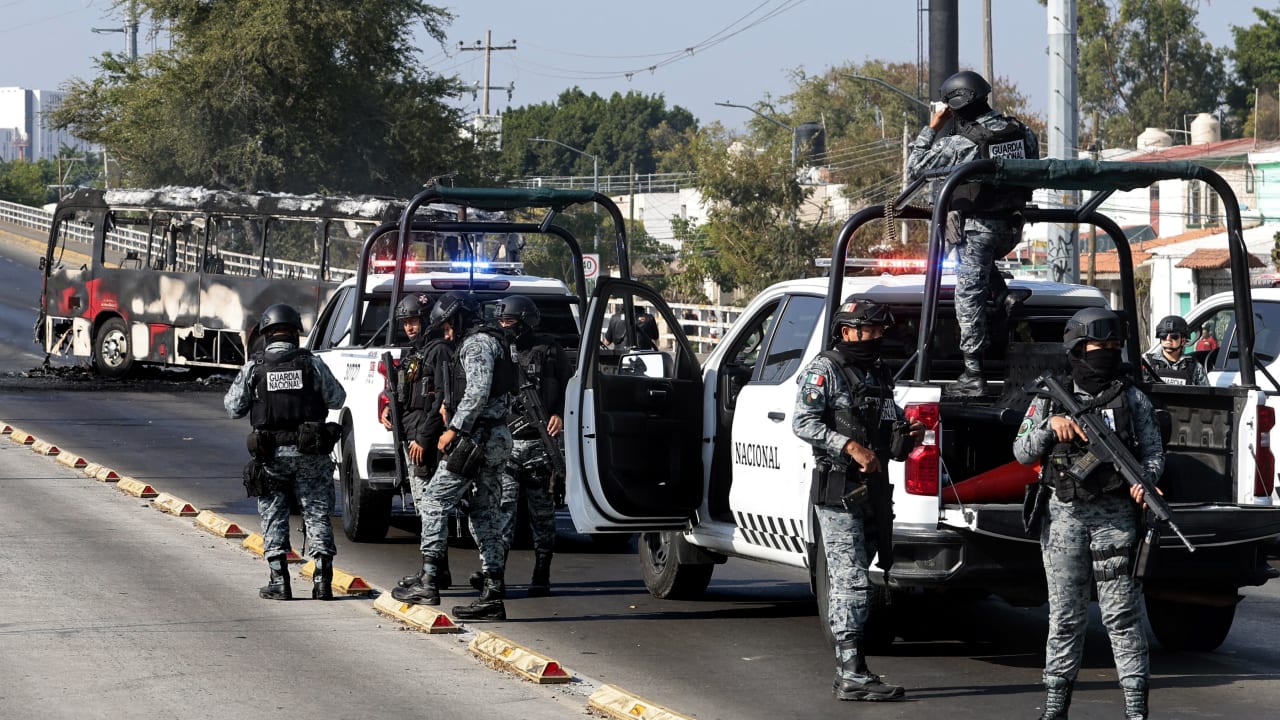
CHARLOTTE, N.C. — Jose Guadalupe Tovar Jr., a Mexican national living illegally in the United States, received a 24-year prison sentence on June 4, 2026, in U.S. District Court for the Western District of North Carolina for running a regional drug-trafficking organization with direct ties to the Cartel Jalisco New Generation.
Tovar, 42, pleaded guilty in September 2025 to conspiracy to distribute methamphetamine, heroin and fentanyl. Federal agents seized more than 4,486 kilograms of methamphetamine, 13 kilograms of fentanyl, 3 kilograms of heroin, 18 firearms and $1.2 million in cash and cryptocurrency from the organization he led.
The investigation, conducted by the Homeland Security Investigations-led Charlotte Safe Streets Task Force, identified Tovar as the local boss who coordinated shipments from Mexico, managed distribution across North Carolina and South Carolina, and directed violence to protect the cell’s territory.
The sentence marks the operational removal of the highest-ranking figure uncovered in this ring. Prior to his arrest, Tovar directed daily operations that moved hundreds of kilograms of CJNG-supplied narcotics per month into the Charlotte region. With his removal, day-to-day command of the remaining cell falls to subordinates now under heightened federal surveillance, while the cartel must re-establish a trusted U.S.-based manager for the corridor.
Downstream effects are already in motion. Sentencing documents require Tovar’s immediate deportation upon release in 2049. The plea agreement triggers asset forfeiture proceedings that will return seized proceeds to law-enforcement agencies for reinvestment in ongoing CJNG investigations.
Federal prosecutors have used the case to obtain additional warrants targeting upstream Mexican suppliers, extending the investigation’s reach beyond the original 14 defendants charged in the conspiracy.
This sentencing concludes one of the largest CJNG-linked cases prosecuted in the Western District of North Carolina in the past five years. The Department of Justice has pursued similar leadership targeting against CJNG cells in Atlanta, Chicago and Los Angeles since 2022, treating local bosses as force multipliers for the cartel’s U.S. distribution capacity.
Primary sources: U.S. Department of Justice
Coverage spread
Substrate’s article above is written from the primary record. Below: how mainstream outlets reported the same event.
No mainstream coverage of this story has surfaced yet.
Transparency
Related Stories
 The Hill
Brown Leads Husted 53-45 in Ohio Senate Race, Fox News Poll Finds
A Fox News survey of 1,015 Ohio registered voters found 53 percent support for the Democratic Senate nominee and 45 percent for the Republican nominee. President Trump's favorability in the state stood at 42 percent.
 ABC News
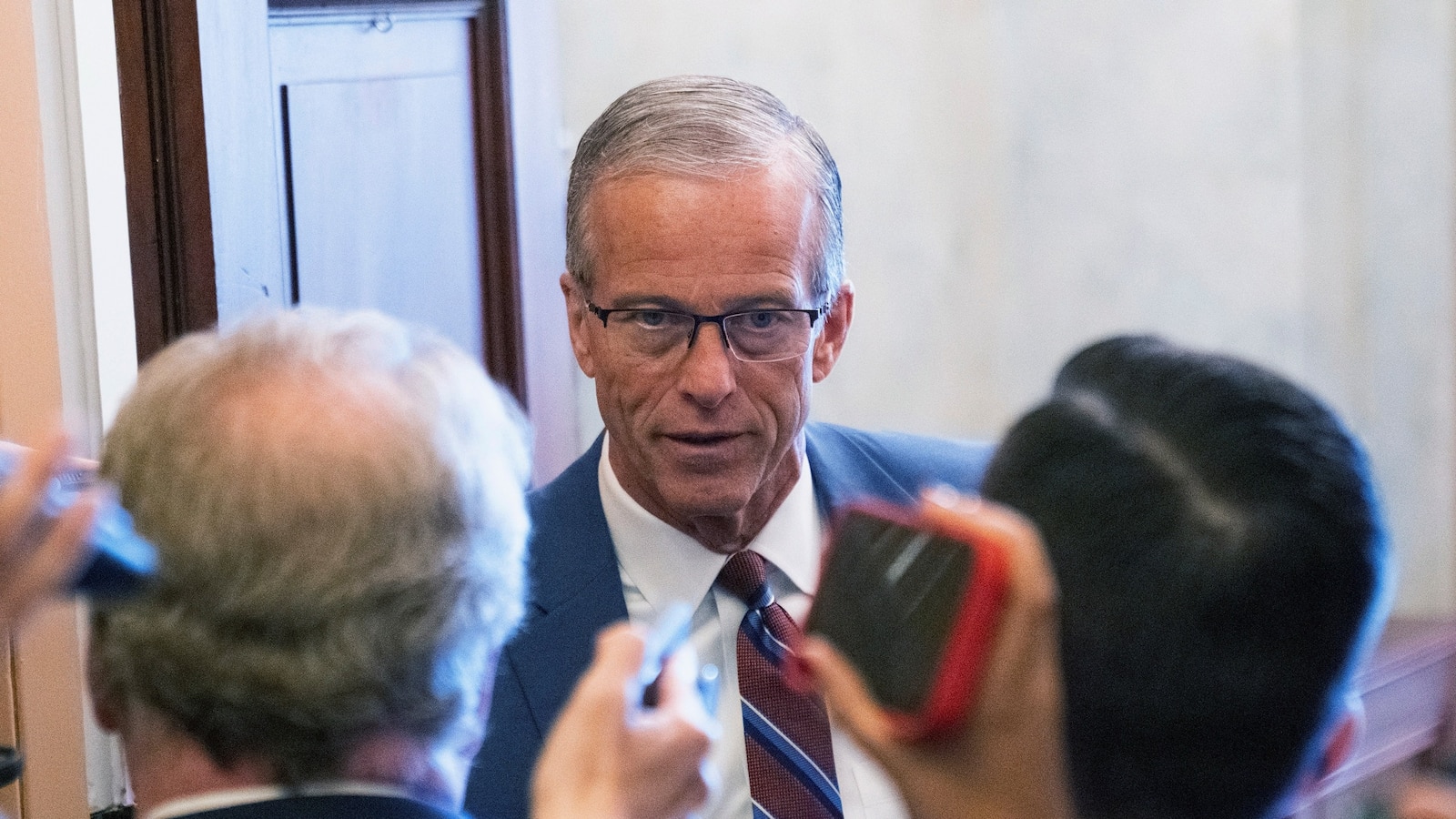
Senate Republicans Advance $70 Billion Border Security Package
The Senate cleared a procedural vote Wednesday for a nearly $70 billion border and ICE funding measure. Amendments targeting a now-defunct $2 billion Justice Department fund could alter the bill's path.
 arstechnica.com
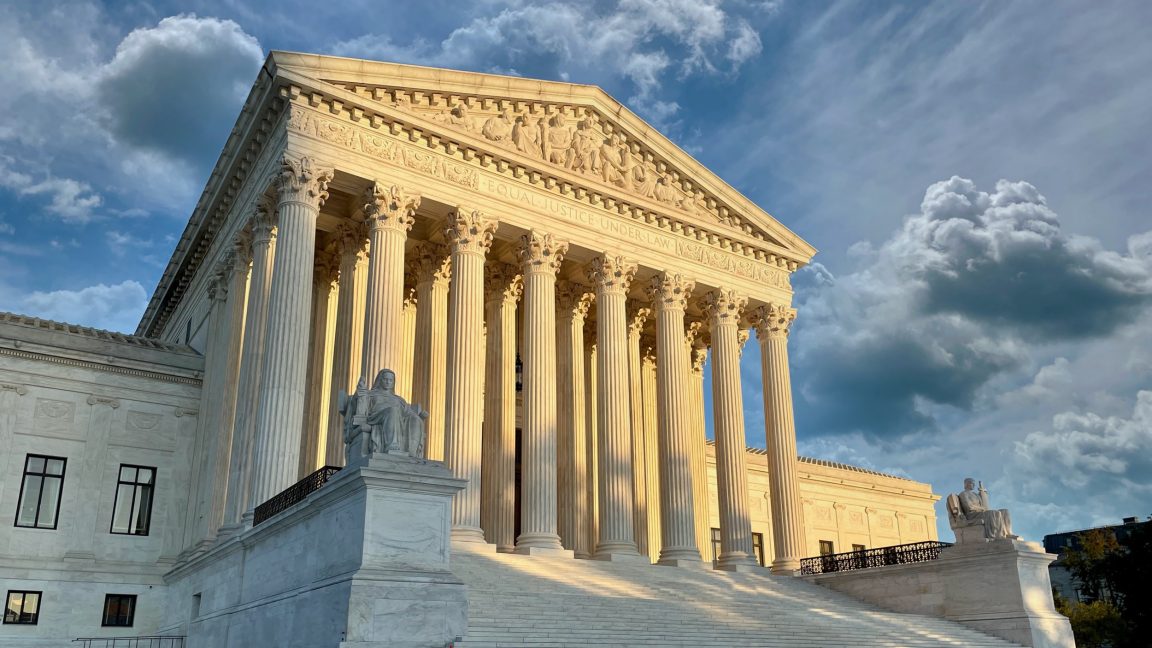
Supreme Court Allows FCC In-House Fines Against Wireless Carriers, Rejects Jury-Trial Challenge in 8-1 Ruling
The U.S. Supreme Court ruled 8-1 that the FCC can continue issuing initial penalties through internal proceedings. The decision resolves a split between appeals courts over AT&T and Verizon challenges.