Substrate
politics

Iran Strikes UAE in Gulf Clashes

Iran's drone and missile attacks on the United Arab Emirates and clashes in the Strait of Hormuz have put a fragile Middle East ceasefire at risk. U.S. officials insisted the truce remains intact despite the incidents, while Iranian leaders warned of further actions. Talks on ending hostilities are reportedly making progress amid calls for de-escalation.
The Independent
The Hill
2 sources·May 4, 11:28 PM(13 hrs ago)·3m read
|
Iran Strikes UAE in Gulf Clashesיחס הזהב / Wikimedia (CC BY-SA 4.0)
Audio version
Tap play to generate a narrated version.
Developing·Limited corroboration so far. This page will refresh as more sources emerge.

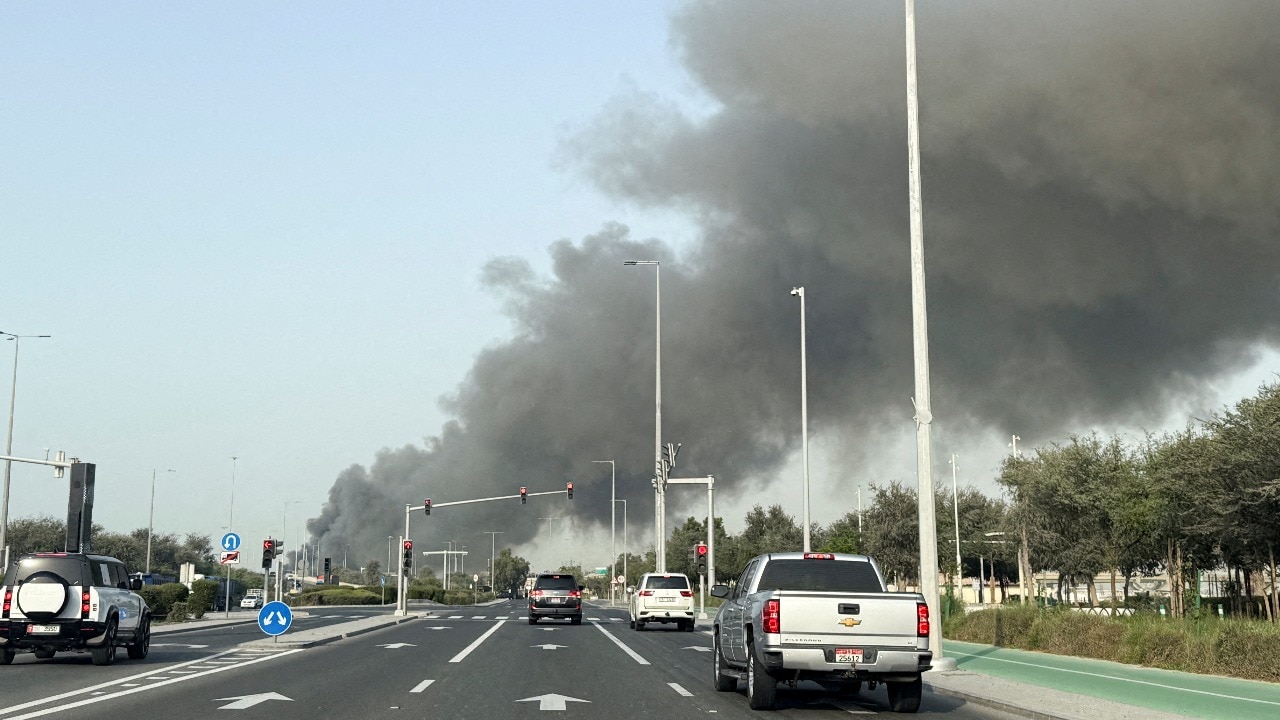
The fragile ceasefire in the Middle East faced significant strain following Iranian drone and missile strikes on the United Arab Emirates and exchanges of fire in the Strait of Hormuz. U.S. Defense Secretary Pete Hegseth stated that the truce was “not over” despite these developments.

Iranian officials, however, warned that their actions were just beginning, escalating tensions in the region. The incidents occurred shortly after the U.S. launched an operation to escort commercial ships through the strait, which Iran claims control over.

Iranian parliament speaker Mohammad Bagher Ghalibaf described the U.S. effort as endangering shipping and noted that Iran had not yet fully responded. Clashes on Monday involved Iranian forces firing at vessels, with U.S. military providing defensive support.

and Responses Iranian Foreign Minister

Abbas Araghchi warned against seeking a military solution to the crisis, emphasizing that recent events in the Strait of Hormuz showed no such approach would succeed. He referenced ongoing talks that are making progress toward ending hostilities. This came as the UAE restricted flights and activated emergency protocols in response to the attacks, limiting routes until at least May 11.

U.S. officials downplayed the clashes as routine churn within the ceasefire framework. Hegseth framed the U.S. escort mission as a temporary measure to assist global shipping, urging other nations to contribute. He also noted that a congressional deadline for war approval had passed but argued it did not apply due to the ongoing truce.
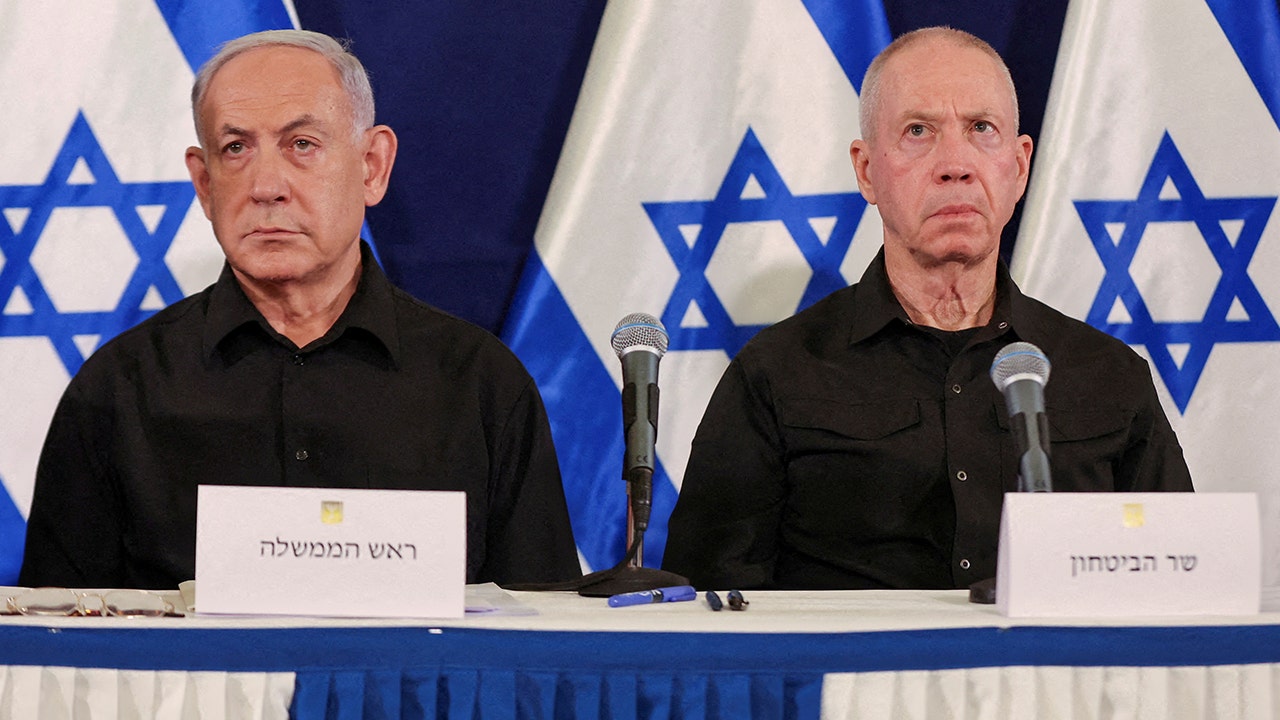
The option is always there, and Iran knows that. And that’s why their choices in Project Freedom are important.

Pete Hegseth, U.S. Defense Secretary (The Independent)

Gen Dan ‘Razin’ Caine, chairman of the U.S. Joint Chiefs of Staff, reported that Iran had fired at commercial vessels nine times and seized two container ships since the ceasefire began last month. He detailed that over 100 American aircraft provide continuous overwatch, involving about 15,000 service personnel.

Caine stressed that the U.S. military is prepared to resume major operations if necessary.

Martin Navias, a senior visiting research fellow at the Centre for Defence Studies at King’s College London, described Iran's actions as reckless but noted that the U.S. has not yet decided to force open the strait, which would require broader escalation.

He explained that while the U.S. has the capability, it would involve resuming strikes on Iran itself. Nitya Labh, a fellow at Chatham House's International Security Programme, called the U.S. push to assist shipping extremely risky and escalatory. She suggested it indicates unwillingness to negotiate terms for reopening the strait, forcing movement under threat of Iranian strikes.

Sir Keir Starmer condemned Iran's attacks and urged meaningful engagement in talks to sustain the ceasefire. Meanwhile, Goldman Sachs analysts warned that Britain faces high exposure to jet fuel shortages from the conflict, due to reliance on imports through the closed strait and low domestic supplies.

The ceasefire, in place for over a month, followed more than two months of conflict involving the U.S. and Israel. U.S. officials highlighted the operation's success in guiding two U.S.-flagged merchant vessels through the strait without incident on Monday.

However, tensions with NATO allies have grown over perceived lack of support for the U.S.-led efforts. Iran's Ghalibaf wrote on social media that the current situation is intolerable for the U.S., while Iran has more actions planned. The UAE had briefly lifted airspace precautions before reinstating restrictions after the latest strikes.

We know full well that the continuation of the status quo is intolerable for America, while we have not even begun yet.

Mohammad Bagher Ghalibaf, Iranian parliament speaker (The Independent)

The Hill reported Araghchi's comments on progress in talks, contrasting with fears of collapse noted in other coverage. No direct contradictions emerged between sources on the key events, though emphases differed on the risks and U.S. intentions.

Key Facts

Drone and missile strikes
by Iran targeted UAE
9 attacks
on commercial vessels since ceasefire
15,000 personnel
U.S. involved in regional operations
Flight restrictions
in UAE until May 11
Progress in talks
on ending hostilities per Iranian official

Story Timeline

5 events
  1. Today — Recent hours

    UAE restricted flights and activated emergency protocols in response to Iranian strikes.

    1 sourceThe Independent
  2. May 4, 2026 — Monday

    U.S. launched Project Freedom to escort ships through Strait of Hormuz, leading to clashes.

    2 sourcesThe Independent · The Hill
  3. Recent days

    Congressional deadline for war approval passed, with U.S. officials claiming it does not apply.

    1 sourceThe Independent
  4. Last month

    Ceasefire agreement came into force, after which Iran fired at vessels nine times and seized two ships.

    1 sourceThe Independent
  5. Over two months ago

    Conflict began involving U.S. and Israel against Iran.

    1 sourceThe Independent

Potential Impact

  1. 01

    U.S. may resume major combat operations against Iran if escalations continue.

  2. 02

    UAE airspace restrictions will disrupt regional air travel until May 11.

  3. 03

    Talks could lead to negotiated reopening of Strait of Hormuz.

  4. 04

    Britain could face jet fuel shortages leading to more flight cancellations.

  5. 05

    NATO allies might increase involvement in Strait of Hormuz security.

  6. 06

    Global shipping routes through Gulf will see higher insurance costs.

Transparency Panel

Sources cross-referenced2
Framing risk42/100 (moderate)
Confidence score74%
Synthesized bySubstrate AI
Word count646 words
PublishedMay 4, 2026, 11:28 PM
Bias signals removed4 across 2 outlets
Signal Breakdown
Amplifying 1Loaded 1Speculative 1Framing 1

Related Stories

Trump Signs Memorandum to Revive Presidential Physical Fitness Award at White House EventOffice of White House Press Secretary / Wikimedia (Public domain)
politics1 hr agoDeveloping

Trump Signs Memorandum to Revive Presidential Physical Fitness Award at White House Event

President Donald Trump signed a memorandum on May 5, 2026, restoring the Presidential Physical Fitness Award and reintroducing a competitive fitness test in U.S. schools. The event featured student athletes on the White House South Lawn, where Trump demonstrated his signature dan…

Fox News
ABC News
2 sources
Spirit Airlines Cancels All Flights and Begins Wind-Down After Failed $500M Bailout TalksQuintin Soloviev / Wikimedia (CC BY 4.0)
politics5 hrs ago

Spirit Airlines Cancels All Flights and Begins Wind-Down After Failed $500M Bailout Talks

Spirit Airlines announced the immediate wind-down of its operations on Saturday, canceling all flights and stranding passengers and workers. The decision followed the collapse of discussions with the Trump administration for a $500 million bailout. Other U.S. airlines offered res…

BBC News
The Free Press
RealClearPolitics
NPR
4 sources
Democrats in Congress Urge Trump Administration to Acknowledge Israel's Nuclear ProgramOffice of the President of the United States / Wikimedia (Public domain)
politics5 hrs agoDeveloping

Democrats in Congress Urge Trump Administration to Acknowledge Israel's Nuclear Program

A group of Democrats in Congress sent a letter to the U.S. Secretary of State urging public acknowledgment of Israel's nuclear weapons program. The lawmakers cited risks of escalation amid the war in Iran and argued that U.S. silence on the issue affects credibility on global nuc…

JE
1 source