world
Mothers Share Experiences With Placenta Accreta Spectrum Disorder
One hundred mothers have formed a campaign group to highlight placenta accreta spectrum, a life-threatening pregnancy condition. The group is calling for improved awareness, diagnosis and maternity care after many reported being undiagnosed before delivery. Action for Accreta released data showing 61% of cases go undiagnosed and 30% result in emergency hysterectomies.
 The Bbc
Audio version
Tap play to generate a narrated version.
Developing·Limited corroboration so far. This page will refresh as more sources emerge.
One hundred mothers have joined a campaign to share their experiences with placenta accreta spectrum (PAS), a condition in which the placenta grows too deeply into the wall of the womb. The Action for Accreta group launched the effort in February to address what its members describe as gaps in maternity care, including the lack of a national database or mandatory reporting of cases.
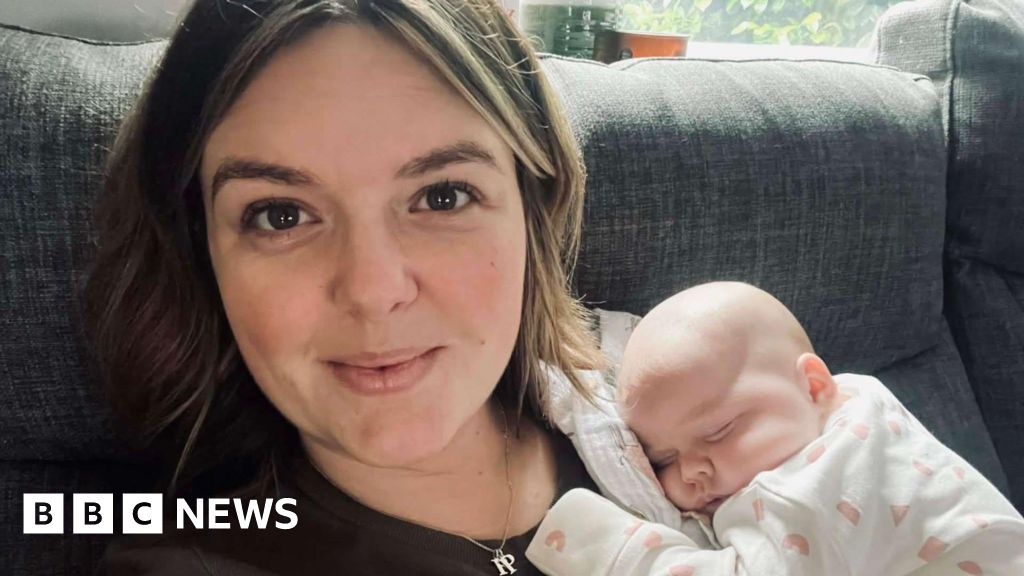
Chloe Robinson from Rossendale in Lancashire developed the condition while 34 weeks pregnant with her daughter in 2024. She began bleeding heavily and required an emergency hysterectomy. Robinson, who joined the campaign, said the experience was extremely traumatic and that not enough is known about the condition.
Her daughter suffered a neonatal stroke that caused significant damage to the left side of her brain, resulting in cerebral palsy. Robinson said the family continues to manage both the trauma and the child's ongoing needs. She added that what is expected to be one of the best days of a parent's life can also become one of the worst.
Other mothers reported permanent damage to their bladder and bowels after treatment for the condition. One nurse left the profession after developing post-traumatic stress disorder linked to her exposure to large amounts of blood during procedures.
Adhia started the Action for Accreta campaign in February after experiencing PAS during her own pregnancy. She said the group aims to improve diagnosis and preparation for the condition, which the campaign states can be identified and managed when detected early.