Substrate
technology

NASA Identifies Helium Leak in Orion Spacecraft Requiring Valve Redesign for Future Missions

NASA has determined that a helium leak in the Orion spacecraft's propulsion system poses no risk to the Artemis II reentry but necessitates a redesign of valves for subsequent flights. The issue follows similar leaks observed during the Artemis I mission in 2022. Engineers are analyzing the problem to ensure reliability in upcoming lunar missions.
Ars Technica
1 source·Apr 10, 12:55 AM(26 days ago)·2m read
|
NASA Identifies Helium Leak in Orion Spacecraft Requiring Valve Redesign for Future MissionsArs Technica
Audio version
Tap play to generate a narrated version.

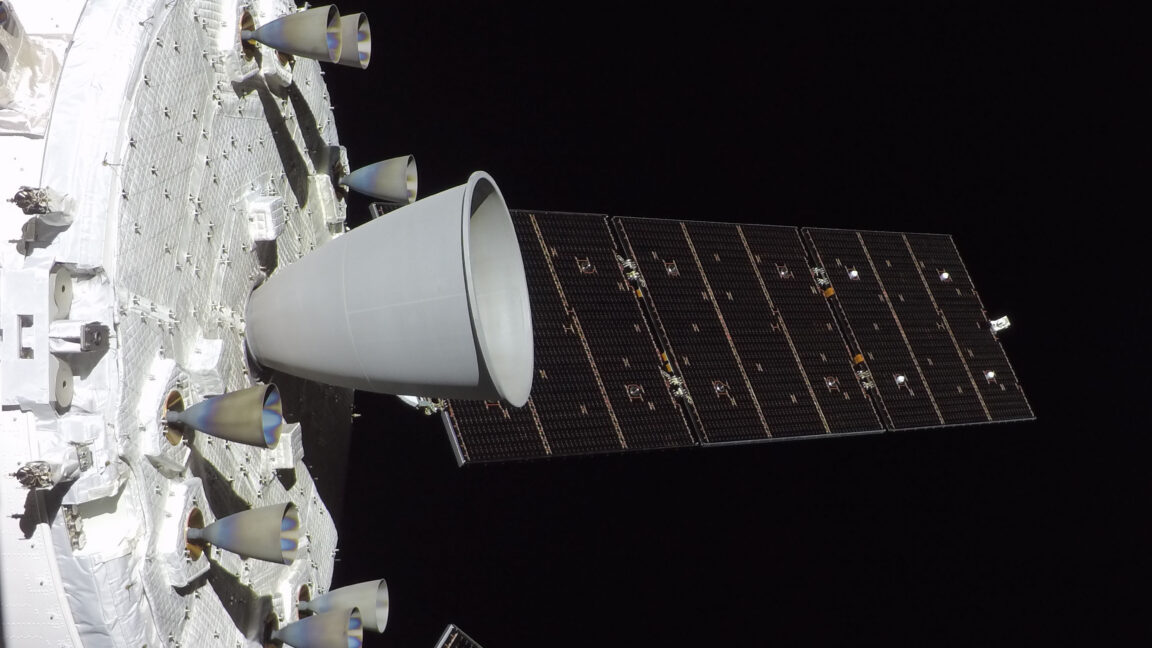
NASA engineers have identified a helium leak in the Orion spacecraft's reaction control system valves, which occurred during ground testing for the Artemis II mission. The leak involves pressurized helium escaping through a small crack in a metal diaphragm within the valve.

According to reports from Ars Technica, this issue does not compromise the safety of the Artemis II crew during reentry into Earth's atmosphere.

The Artemis II mission will be the first crewed flight of the Orion spacecraft and the Space Launch System rocket. It aims to send four astronauts on a journey around the Moon. The mission serves as a test of the spacecraft's systems in human spaceflight conditions following the uncrewed Artemis I flight in November 2022.

During the Artemis I mission, multiple helium leaks were detected in Orion's propulsion system after splashdown in the Pacific Ocean.

Ars Technica reported that post-flight analysis revealed leaks in the reaction control system thrusters, attributed to the same type of valve diaphragm failure. These incidents prompted NASA to investigate the root cause, leading to the current findings from ground tests on the Artemis II vehicle.

The reaction control system uses helium to pressurize propellant for small thrusters that control the spacecraft's attitude and orientation.

A failure in the valve could affect precise maneuvering, though NASA assessments confirm that the existing configuration meets reentry requirements for Artemis II. The agency has stated that the leaks do not impact the mission's overall objectives.

address the recurring issue, NASA plans to redesign the affected valves for the Orion spacecraft used in Artemis III and beyond.

The redesign will incorporate a more robust material or configuration to prevent diaphragm cracking under pressure and vibration conditions. Implementation is expected to occur during ongoing production at Lockheed Martin, Orion's prime contractor. Artemis III will attempt the first human landing on the Moon since 1972, involving collaboration with SpaceX's Starship for surface operations.

The valve redesign ensures the propulsion system's reliability for extended missions, including those requiring lunar orbit insertion and departure. NASA officials have emphasized that the Artemis II vehicle will proceed with its current design, as verified through extensive testing.

The broader Artemis program aims to establish a sustainable human presence on the Moon, with stakes including international partnerships like the Artemis Accords signed by over 40 nations.

Affected parties include NASA employees, contractors, and international astronauts. Next steps involve completing ground tests, finalizing the redesign specifications, and integrating changes into future spacecraft assembly.

Key Facts

Helium leak location
crack in metal diaphragm of reaction control valves
Artemis II crew
four astronauts including Reid Wiseman and Jeremy Hansen
Previous leaks
five thrusters affected in Artemis I mission
Redesign scope
new valves for Artemis III and later flights

Story Timeline

3 events
  1. 2024 (ground testing for Artemis II)

    NASA identifies helium leak in Orion's reaction control system valves during preparations.

    1 sourceArs Technica
  2. November 2022 (Artemis I mission)

    Multiple helium leaks detected in Orion's thrusters post-splashdown after uncrewed lunar orbit.

    1 sourceArs Technica
  3. September 2025 (planned)

    Artemis II mission set to launch with four astronauts for crewed lunar flyby.

    1 sourceArs Technica

Potential Impact

  1. 01

    Enhanced propulsion reliability improves safety for future crewed lunar missions.

  2. 02

    NASA contractors like Lockheed Martin face additional engineering costs.

  3. 03

    Valve redesign delays could push back Artemis III timeline by months.

  4. 04

    Artemis II proceeds on schedule without propulsion modifications.

Transparency Panel

Sources cross-referenced1
Confidence score70%
Synthesized bySubstrate AI
Word count420 words
PublishedApr 10, 2026, 12:55 AM
Bias signals removed3 across 2 outlets
Signal Breakdown
Diminishing 1Editorializing 1Speculative 1

Related Stories

OpenAI Co-Founder Brockman Testifies About 2017 Musk Proposal for Greater Control and For-Profit Shiftunder30ceo.com
ai1 hr agoUpdated

OpenAI Co-Founder Brockman Testifies About 2017 Musk Proposal for Greater Control and For-Profit Shift

Greg Brockman, OpenAI president and co-founder, testified in Oakland federal court during the second week of a month-long trial. Elon Musk alleges Brockman, Sam Altman and OpenAI violated the 2015 founding agreement by shifting to a for-profit structure and seeks their removal pl…

The New York Times
BBC News
The Guardian
Ars Technica
Wired
+1
6 sources
Alphabet, Microsoft and xAI to Give US Government Early Access to Advanced AI Modelsinsurancejournal.com
technology1 hr agoFraming55Framing risk55/100Rewrite inherits mild consensus framing and lede misdirection by centering the voluntary pact and process details over the substantive national-security risks being addressed.Click to jump to full framing analysis

Alphabet, Microsoft and xAI to Give US Government Early Access to Advanced AI Models

The companies will submit advanced models to the Commerce Department's Center for AI Standards and Innovation for evaluations on national security, cybersecurity and biosecurity risks. The voluntary pacts expand earlier agreements reached under the Biden administration and incorp…

SE
The Washington Post
BBC News
New York Post
4 sources
Apple Settles Class-Action Lawsuit Over Apple Intelligence Feature Timelines for $250 Millionkoreaherald.com
ai1 hr ago

Apple Settles Class-Action Lawsuit Over Apple Intelligence Feature Timelines for $250 Million

The agreement covers roughly 36 million iPhone 15 and iPhone 16 devices purchased in the United States between June 2024 and March 2025. Eligible buyers may receive between $25 and $95 per device after court approval.

The New York Times
BBC News
The Guardian
Wired
4 sources