OBR to Revise Borrowing Forecasts After Iran War Energy Price Shock, Citing 2022 Lessons
The Office for Budget Responsibility will apply lessons from the 2022 energy crisis to this year’s Budget as oil prices have risen 40 percent and European wholesale gas prices have doubled since the Iran war began in March.
 armstrongeconomics.com
Chancellor Rachel Reeves has been warned that government borrowing is set to spike as a result of the Iran war. The Office for Budget Responsibility admitted it had underestimated the effects of the last energy price shock and will apply those lessons when it updates its models for this year’s Budget.
In a review of its forecasting models, the OBR said it learned from Russia’s full-scale invasion of Ukraine, which caused gas prices to rise by around five times.
The overall impact on public finances “was to increase government borrowing and debt” despite some revenue raised by taxes on energy companies’ profits and higher wage growth, the OBR stated. The surge in government borrowing was driven by a rise in debt interest costs, welfare benefits, and the maintenance of real-terms increases to departmental budgets, according to the OBR analysis.
Oil prices have jumped by around 40 per cent since the beginning of the war in March, and wholesale European gas prices have doubled.
The Bank of England warned that a severe energy shock could push inflation above 6% and force tighter monetary policy. Under the OBR’s assumption, oil and wholesale gas prices would remain 75 per cent higher over the course of a year. 1bn more a year if there were a cut to energy supplies comparable to the 1973 oil embargo.
Economists have described the current blockade on the Strait of Hormuz as the worst global oil supply shock recorded in history. International Energy Agency chief Fatih Birol said the current shock was more serious than supply shocks in 1973, 1979 and 2022 together. The OBR said on Tuesday it would also tweak its models for forecasting business tax receipts and local authority expenditure.
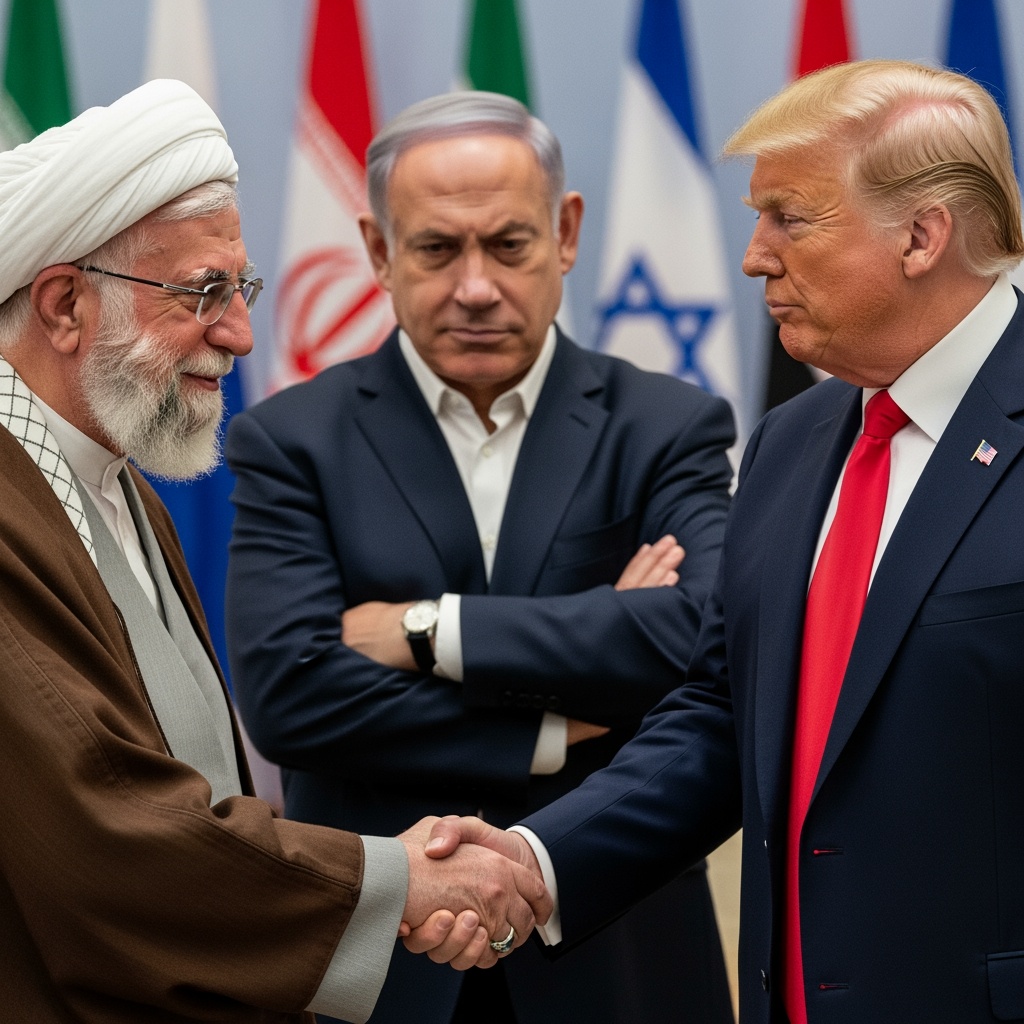
Peace talks between the US, Israel and Iran appear to be on ice after Israel restarted attacks in Lebanon against an Iranian-backed militant group. Israel paused its attacks on Hizbollah after President Trump reportedly told Prime Minister Netanyahu, “everybody hates Israel because of this”. The Brent Crude Oil price fell to $85 per barrel on news of a possible return to peace negotiations.
The price climbed as high as $114 per barrel last month. 2 percentage points off inflation.
Transparency
Reported by a single outlet. This score reflects source tier and factual specificity — corroboration is limited with one source.
Story details
Related Stories
 winnipegfreepress.com
Israeli Arms Exports Reach Record $19B as Iran Vows to Strengthen Defenses
Israel's Defense Ministry reported Tuesday that weapons sales rose 30 percent from 2024 and have more than doubled in five years. More than half the deals exceeded $100 million each.
 forbes.com
Congressman Santos Barred From State of the Union; Kalshi Refers His Bets to DOJ and CFTC
Kalshi referred former Rep. George Santos to federal authorities after detecting suspicious trades ahead of President Donald Trump’s Feb. 24 State of the Union address. The platform also reported the trades to the Commodity Futures Trading Commission.
 al-monitor.com
Islamabad Nuclear Talks End First Round Without Agreement as Iran Links Progress to Lebanon
Initial round of discussions in Pakistan's capital produced no result after Iran declined to address nuclear issues. Negotiators said talks continue and no final decision has been reached.