politics
Officials Provide Varying Accounts on Status of U.S.-Iran Negotiations as Deadline Approaches
Officials from the United States, Iran, Israel, and other countries have given differing reports on the progress of negotiations between Washington and Tehran. These discrepancies have created uncertainty worldwide as a deadline nears. The talks involve discussions on nuclear issues and regional security.
 Substrate placeholder — needs review
Audio version
Tap play to generate a narrated version.
Negotiations between the United States and Iran are ongoing, with a deadline approaching. , Iran, and Israel, have provided conflicting accounts regarding the current status of these talks. This variation in statements has led to global confusion about the negotiations' progress.
The discussions aim to address Iran's nuclear program and related international concerns. U.S. officials have described the talks as constructive but challenging, according to reports. Iranian representatives have emphasized their positions on sovereignty and sanctions relief.
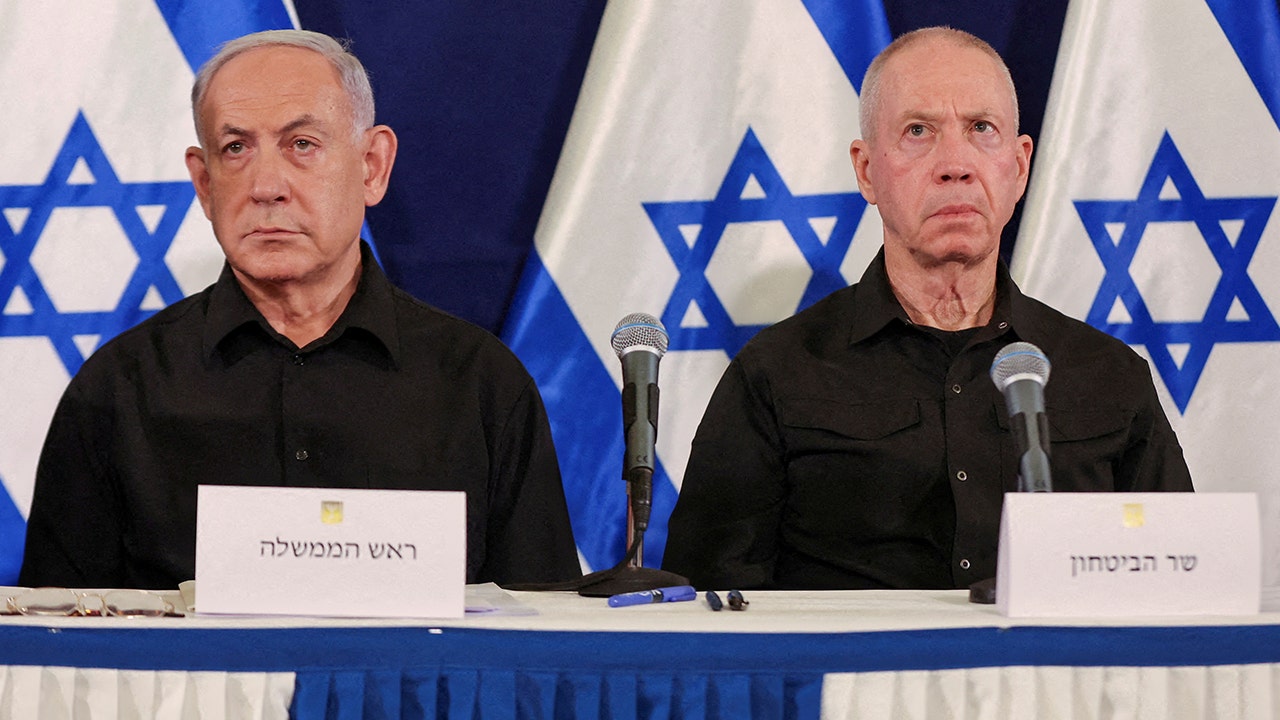
Israeli officials have expressed reservations about the negotiation outcomes. They have highlighted potential security implications for the region. Other international figures, including European diplomats, have called for transparency in the process.
Talks The current round of negotiations stems from earlier diplomatic efforts to revive a 2015 agreement.
That deal, known as the Joint Comprehensive Plan of Action, imposed limits on Iran's nuclear activities in exchange for sanctions relief. U.S. withdrew from the agreement in 2018, prompting renewed tensions.
Since then, indirect talks have occurred in various locations, including Vienna and Oman. Mediators from the European Union and other parties have facilitated these sessions. The approaching deadline adds pressure to reach a resolution.
The negotiations affect multiple stakeholders, including regional allies and global powers.
Iran's economy faces ongoing sanctions, impacting its citizens and trade. A successful agreement could ease economic pressures, while failure might escalate tensions. Following the deadline, parties may extend talks or issue public statements on outcomes.