Iran Reopens Strait of Hormuz, Sending Oil Below $100/Barrel
Brent crude dropped more than 5 percent on Monday after reports that negotiators had reached a framework to reopen the Strait of Hormuz. Markets also rose as traders weighed the possibility that the nearly three-month conflict could ease.
 The Guardian
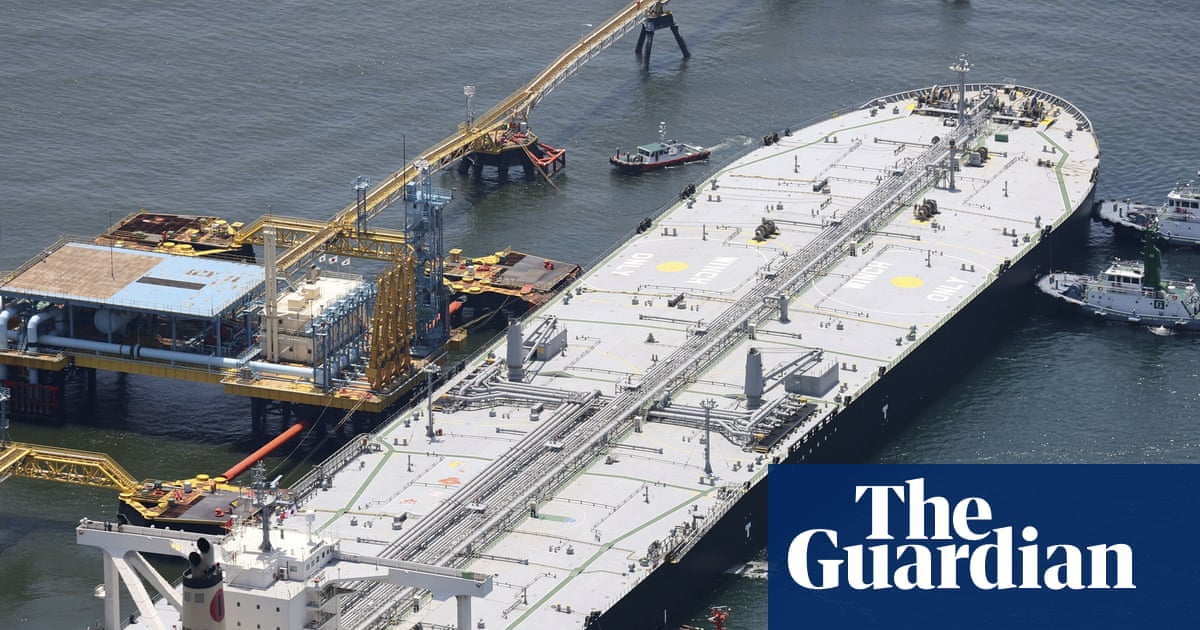
Oil prices fell below $100 a barrel on Monday as traders reacted to weekend reports that the United States and Iran had largely negotiated a framework to reopen the Strait of Hormuz. Brent crude futures dropped 6 percent to $97.28 a barrel, the lowest level in two weeks, while WTI crude fell more than 5 percent to $91.63.
Japan’s Nikkei gained nearly 3 percent, and the pan-European Stoxx 600 index climbed 0.9 percent. Several major markets were closed for public holidays. Shipping data showed limited but increasing traffic through the strait. Two tankers carrying liquefied natural gas exited toward Pakistan and China on Monday, and a supertanker with Iraqi crude left the Gulf for China on Saturday after being stranded nearly three months.
An Iranian government spokesperson said an agreement was "not imminent" and that the two sides remain at odds over Iran’s blockade of the strait. A senior U.S. administration official confirmed that progress had been made but that the deal would not be signed on Sunday.
Israeli Prime Minister Netanyahu said any final agreement must eliminate the nuclear danger. >"We’ve been at this stage before, only for talks to break down. " — Warren Patterson, head of commodities strategy at ING Even if the strait reopens, analysts said it could take months for oil flows to return to normal levels while damaged energy infrastructure is repaired.
The UBS analyst Giovanni Staunovo noted that physical oil flows through the strait remain restricted. Stephen Innes, an independent analyst, said Treasury futures rallied and gold climbed as investors priced in the possibility that the strait may soon reopen to something resembling normal flow.
Transparency
Rewrite inherits consensus framing that centers diplomatic process and analyst skepticism over the substantive reopening of the strait itself.
Lede misdirection: Lede and title foreground negotiation reports and market reaction instead of the physical reopening event
The same facts could be read as evidence that Iran’s temporary Hormuz closure successfully forced the US and Israel to negotiate an end to military strikes, extracting concessions while oil markets merely react to reduced geopolitical risk.
3 independent outlets report the same core facts. This score blends how many outlets corroborate, their editorial tier, and how closely their facts agree — it measures corroboration, not proof.
Sources framed at 65 → our rewrite 60. We stripped 5 points of framing the sources carried in.
Story details
Related Stories
 Japan Times
Israeli Forces Cross Litani River, Seize Beaufort Castle in Lebanon
Israeli troops crossed the Litani River and seized the historic Beaufort castle near Nabatieh on Sunday. The move marks Israel's broadest ground incursion into Lebanon in 25 years.
 rediff.com
Iran Demands Concrete Sanctions Relief Before Any Nuclear Deal With U.S.
Iran's parliament speaker stated that Tehran will not approve any agreement until it receives firm guarantees. The remarks come amid stalled talks and recent U.S. strikes on an Iranian port city.
 azernews.az
Germany Increases Defense Spending and Training After Russia Invades Ukraine
Germany has raised military recruitment and spending since Russia's 2022 invasion of Ukraine. The Bundeswehr reported a 23 percent rise in enlistments last year. The defense budget is projected to increase nearly 80 percent by 2029.