finance
Oil Prices Fall Tuesday After Monday Surge as Markets Weigh U.S.-Iran Developments
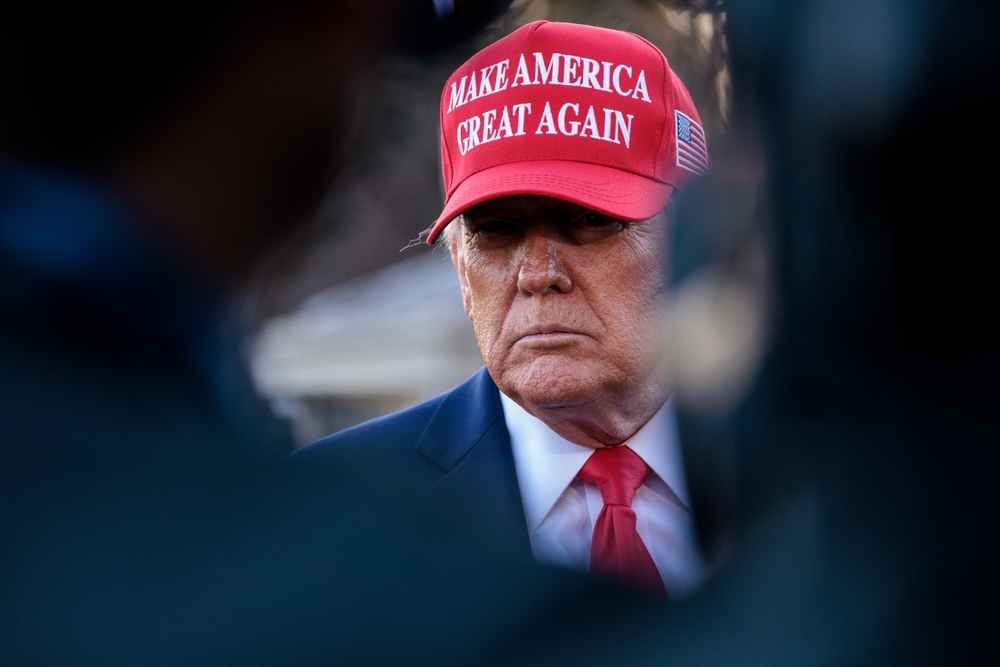
Oil prices fell Tuesday following a surge on Monday, as tensions escalated between the United States and Iran. Brent crude slid 0.60% to $113.77 per barrel, while West Texas Intermediate dropped 1.35% to $105.06. The moves came after attacks in the Strait of Hormuz and warnings from President Trump.
 en.antaranews.com
Audio version
Tap play to generate a narrated version.
Developing·Limited corroboration so far. This page will refresh as more sources emerge.
Oil prices declined Tuesday after closing sharply higher on Monday, as traders assessed risks from renewed tensions between the United States and Iran. 77 per barrel. U.S.
06 per barrel. Brent settled 6% higher on Monday, while West Texas Intermediate settled 4% higher the same day. A fragile ceasefire between the United States and Iran appeared close to unraveling on Monday.
The United Arab Emirates was hit by Iranian drones and missiles that day, while Washington sank Iranian vessels in the Strait of Hormuz. U.S. Ships safeguarding commercial traffic through the strait. Trump also posted on Truth Social that a South Korean cargo vessel had come under fire in the Strait of Hormuz.
Global oil inventories are not yet at critically low levels, according to Goldman Sachs.
But easily accessible buffers of refined products are being depleted rapidly, particularly in petrochemical feedstocks such as naphtha and LPG, as well as jet fuel, the bank noted. Total global oil stocks, including crude and refined products held both on land and at sea, are estimated at about 101 days of demand currently and could fall to 98 days by the end of May.
Chevron CEO Mike Wirth warned on Monday that fuel shortages were a growing concern in some regions of the world as the strait remains closed.
'I think as people look at the realities of very tight supplies, it's not just a question of price. It's actually — can we get the fuel? I think over the course of the next several weeks, we'll see those effects begin to move throughout the system,' Wirth told CNBC's David Faber at the Milken Institute Global Conference.