finance
Oil Prices Fluctuate After US-Iran Ceasefire Agreement Amid Accusations of Violations
A two-week ceasefire agreement between the US and Iran led to an initial plunge in oil prices and a surge in stock markets. Iran subsequently accused the US of breaching the deal, prompting oil prices to resume gains. Reports also indicate an Iranian attack on a Saudi oil pipeline shortly after the truce took effect.
 theolivepress.es
Audio version
Tap play to generate a narrated version.
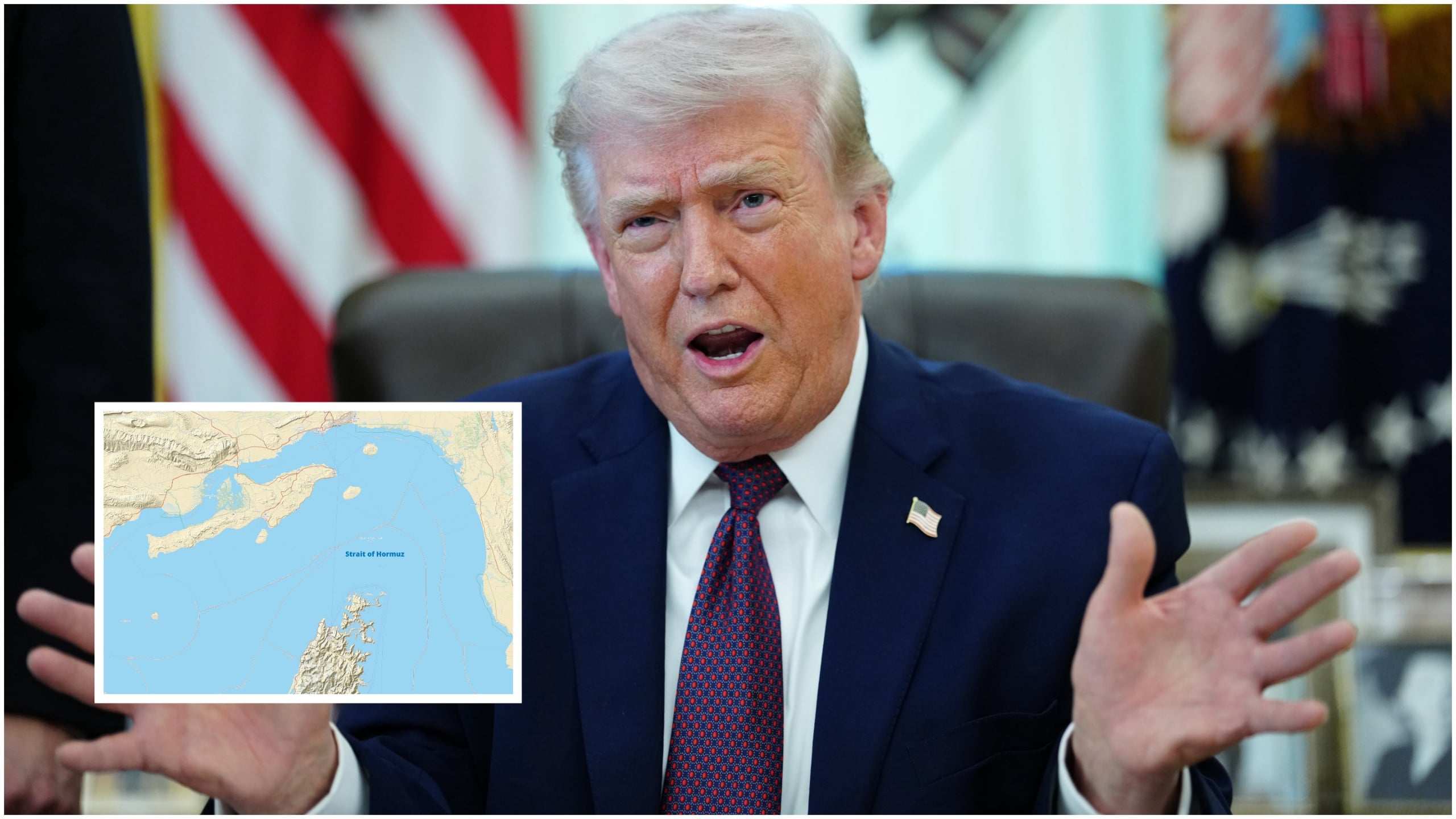
Oil prices initially plummeted following a last-minute ceasefire agreement between the United States and Iran, while stock markets surged. The deal, announced on Wednesday, aimed to halt hostilities in the war in Iran and facilitate the resumption of energy shipments from the Persian Gulf. Analysts noted that if the ceasefire holds, gas prices at the pump could begin to ease slowly.
However, the truce faced immediate challenges. Iran accused the United States of violating elements of the agreement shortly after it took effect. Semafor reported that Iran targeted a Saudi oil pipeline hours after the truce began.
The initial market response was positive for equities and negative for oil.
Oil prices plunged as investors anticipated normalized energy flows from the region. Stocks surged in response to the perceived reduction in geopolitical risks. Subsequent developments reversed some of these gains in the oil market.
Oil prices resumed rising after the accusations from Iran. The New York Times noted that the ceasefire came 90 minutes before an unspecified deadline, highlighting the urgency of the negotiations.
The agreement established a two-week ceasefire period.
CNBC reported that oil markets rose following Iran's breach accusations against the US. No sources provided details on the specific elements of the agreement alleged to have been violated. The attack on the Saudi oil pipeline occurred hours after the truce's effective time.
This incident, as reported by Semafor, cast doubt on the truce's stability from the outset. Analysts suggested that sustained adherence to the ceasefire could lead to gradual declines in gas prices.
The war in Iran has disrupted energy shipments from the Persian Gulf, contributing to prior volatility in oil markets.