world
Oil well fire in Nigeria's Niger Delta continues six years after 2020 blowout
Residents of Awoye report ongoing respiratory illness, skin irritation and reduced fish catches they link to pollution from the Ororo-1 well. No government agency has conducted a comprehensive public health assessment of the affected communities.
 The Guardian
Audio version
Tap play to generate a narrated version.
Developing·Limited corroboration so far. This page will refresh as more sources emerge.
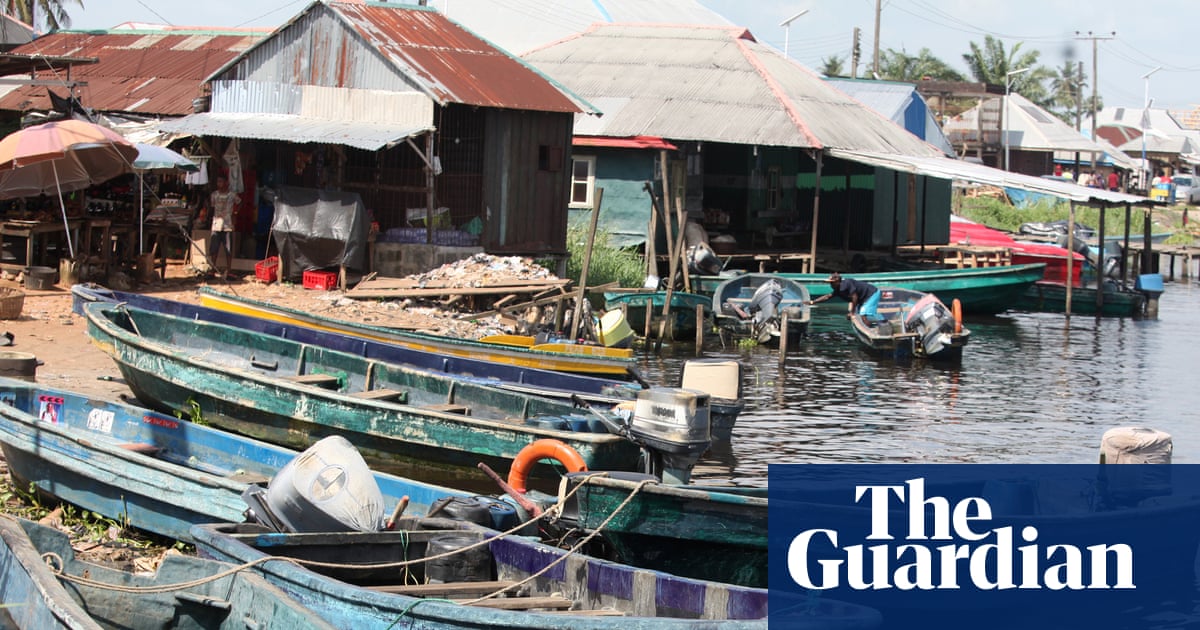
An offshore oil well known as Ororo-1 has burned continuously since a blowout in April 2020, releasing smoke, soot and toxic fumes into communities along Nigeria's Atlantic coast in Ondo state. Residents say the pollution has coincided with persistent coughs, breathing difficulties and skin problems. Local fishers report fewer catches and fish that smell of crude oil.
Health and livelihood effects Bodunwa Orugbemi said her 21-year-old son began coughing in May, later developed skin irritation and breathing trouble, and remains unable to speak while receiving care at a local hospital. Temilorun Patrick Ajimisogbe, a fisher in Awoye, described waking to find oil spread across surfaces and said dead fish sometimes wash up near polluted creeks.
Christianah Abiye, a fishmonger, said catches have declined and many women now spend limited income on treating illnesses that were previously rare.
Regulatory and monitoring gaps Philip Jakpor of the Renevlyn Development Initiative said the situation reflects a pattern in the Niger Delta where environmental disasters persist without health monitoring for affected populations. Dr Nnimmo Bassey of the Health of Mother Earth Foundation stated that continuous crude oil burning can release benzene, sulphur dioxide, particulate matter and polycyclic aromatic hydrocarbons linked to cancer and respiratory and cardiovascular diseases.
Happiness Abiye, Awoye's traditional leader, said repeated appeals for assistance have gone unanswered and described the community as abandoned. No representative from the companies operating the well or from Ondo State government responded to requests for comment.