OPEC+ Raises July Oil Output Quotas by 188,000 bpd
Ministers meet Sunday amid a production drop to 33 million barrels daily after the Strait of Hormuz closed in late February. Prices have nearly doubled since the shutdown.
 realclearmarkets.com
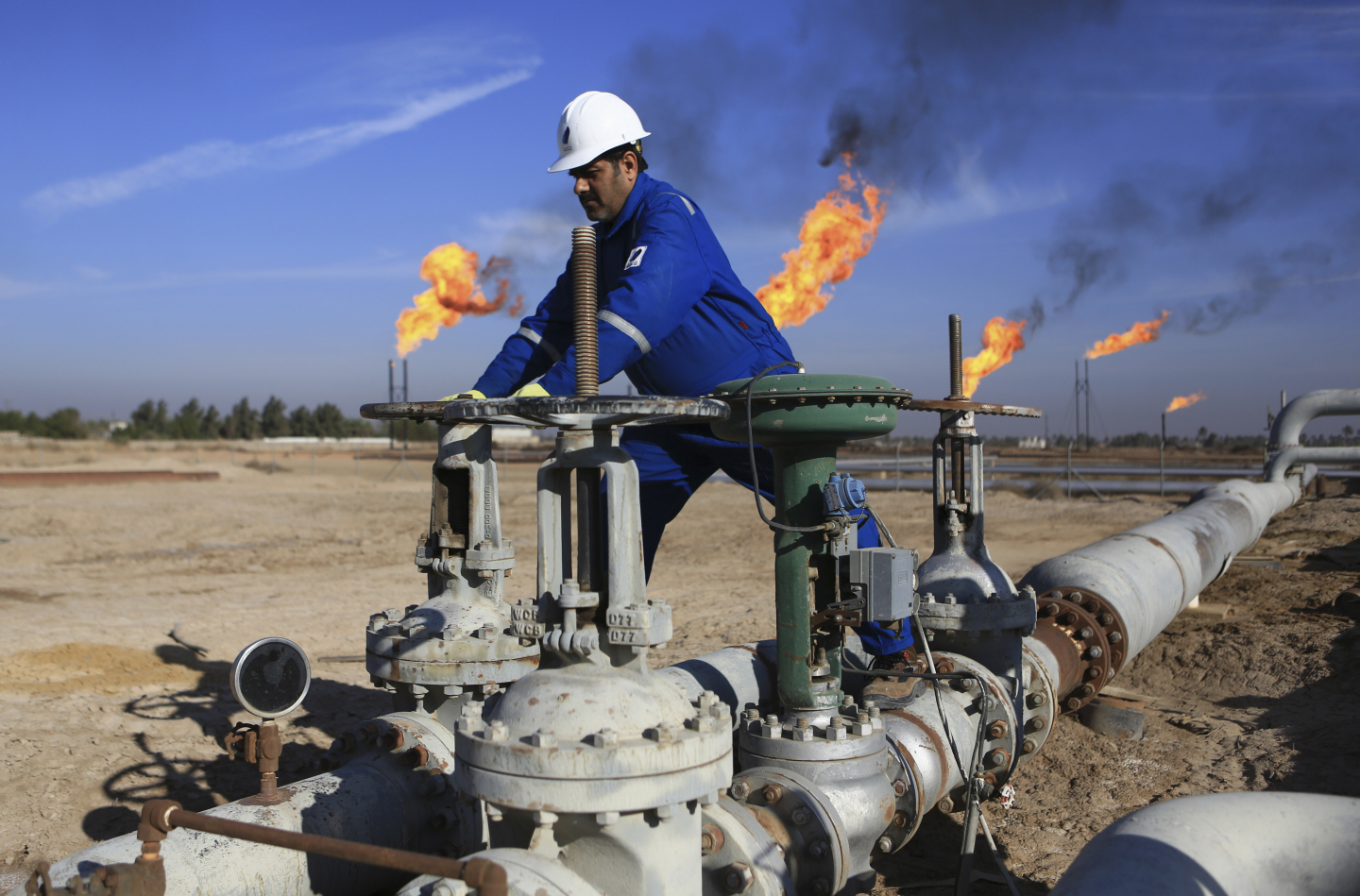
OPEC+ has agreed to raise oil production quotas by 188,000 barrels per day in July. Ministers from the 21 member states are holding their quarterly meeting online on Sunday. The group’s daily production has fallen to 33 million barrels, down from nearly 43 million before the conflict.
U.S. and Israeli attacks on Iran in late February, blocking roughly a fifth of global oil and gas supplies, or about 20 million barrels a day. Oil prices have nearly doubled since the closure.
Only seven members—Saudi Arabia, Russia, Iraq, Kuwait, Kazakhstan, Algeria and Oman—have the capacity to increase output, according to Jorge Leon of Rystad Energy. Analysts say the quota increase will have limited practical effect. “Any announced production increases or changes to output targets will have limited practical value,” said Ole Hansen, commodities analyst at Saxo Bank.
“There is very little OPEC can do,” he told AFP. S. blockade on Iranian ports means actual production will be even lower than 33 million barrels a day, said Homayoun Falakshahi, head of crude oil analysis at Kpler.
The compensation framework for excess production has become irrelevant due to widespread shut-ins, Hansen added. The United Arab Emirates has decided to quit OPEC. Abu Dhabi wants to boost output and does not want to be dictated to, said Lawrence Haar, lecturer in finance at the University of Brighton.
“If Iraq were to leave, it could mark the end of OPEC+,” Falakshahi said. Saudi Arabia intends to prevent further exits, Falakshahi stated. China’s reduced purchases, drawn from strategic reserves, remain the main brake on further price increases, he said.
Transparency
Story details
Related Stories
 Substrate placeholder — needs review
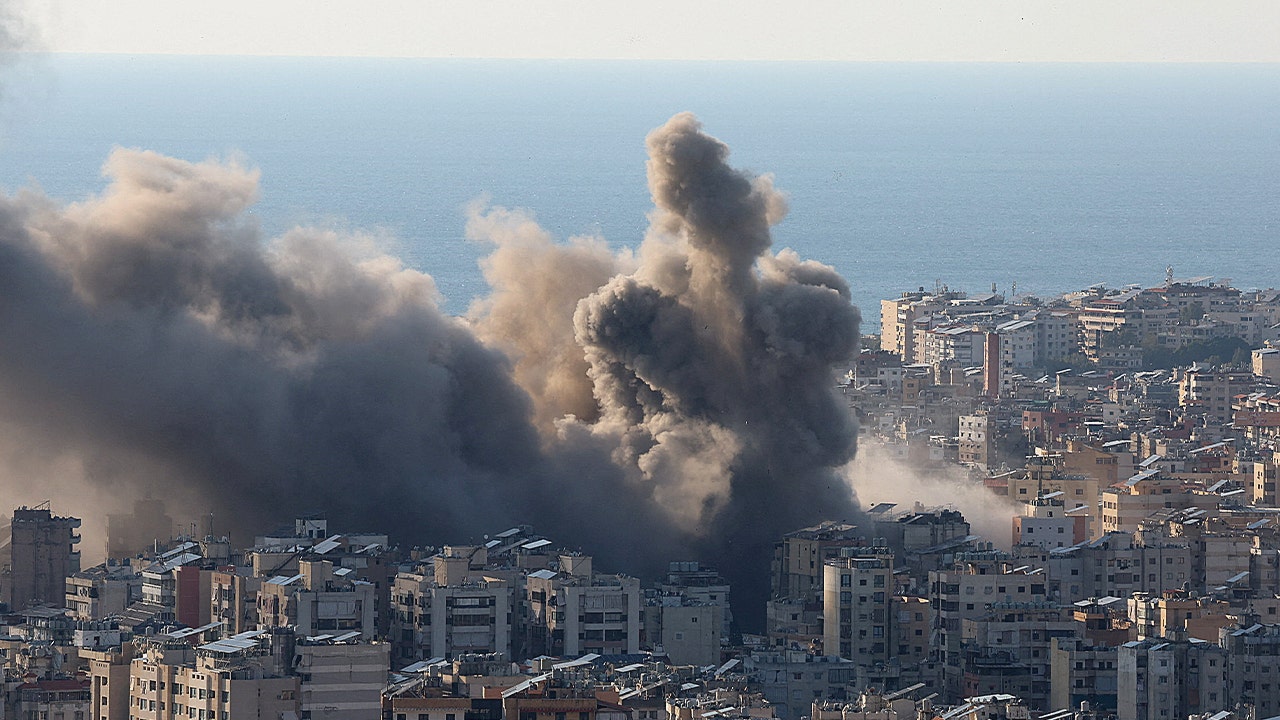
U.S. Destroys Iranian Drones, Iran Fires Missiles at Gulf States, Israel Strikes Beirut as Conflict Reaches 100 Days
U.S. Central Command said it shot down two Iranian drones threatening maritime traffic. Iran fired missiles at Bahrain and Kuwait on Saturday after earlier U.S. strikes on radar sites.
 foxnews.com
Israeli Military Strikes Hezbollah Headquarters in Beirut Suburb
The Israeli military struck Hezbollah's headquarters in Beirut's southern suburbs after reporting incoming fire from the group. Officials said the target was in Dahiyeh and described the action as a direct response to the reported fire.
 dailyexcelsior.com
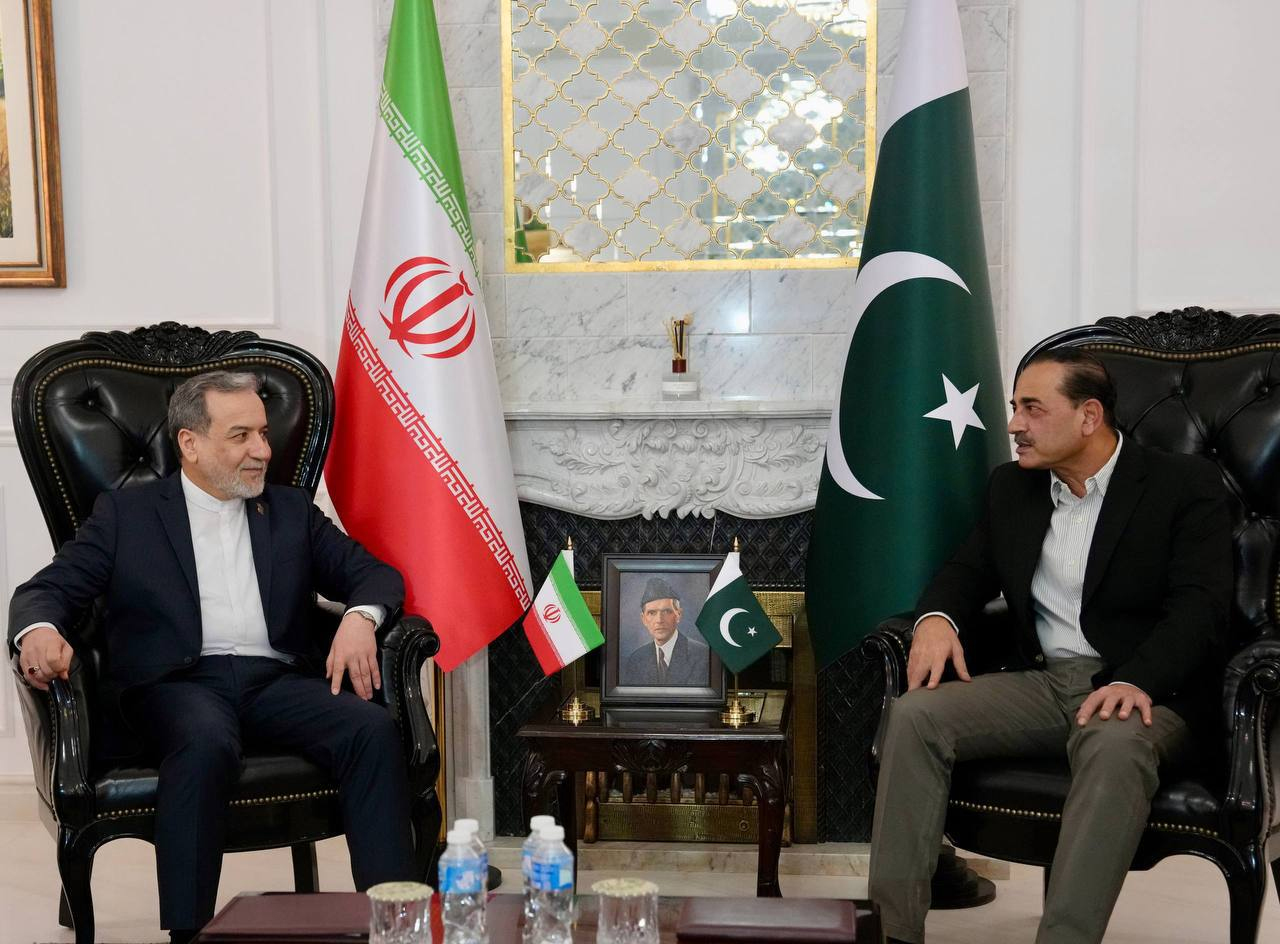
Pakistan Delivers Prime Minister's Message to Iran's Supreme Leader
Pakistan's Interior Minister met Iran's Interior Minister in Tehran and handed over a message from Pakistan's Prime Minister. Iranian state media did not disclose the message content.