Oxford University and Moderna to begin cancer vaccine trials this summer
A vaccine developed by Oxford University and Moderna will enter clinical testing this summer in patients with Lynch syndrome. The trial will assess whether the mRNA shot can train the immune system to destroy pre-cancerous cells before tumors form.
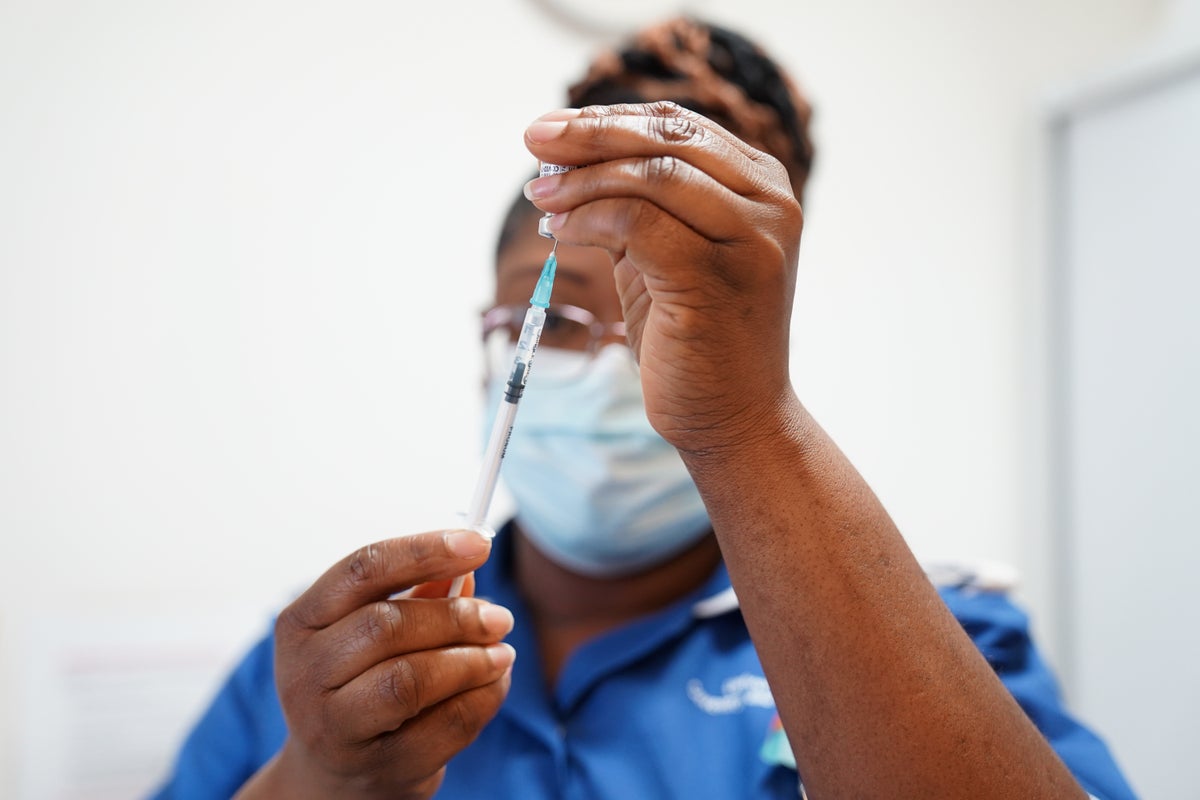 The Independent
A vaccine developed through a collaboration between the University of Oxford and Moderna will begin clinical testing this summer in people with Lynch syndrome. The study will examine whether the shot can train the immune system to recognize and eliminate pre-cancerous cells.
The forthcoming Intercept-Lynch trial marks Moderna's first effort to use its mRNA platform for cancer prevention. Cancer Research UK is supporting the development work.
Trial design and timeline Participants will receive the mRNA-4194 vaccine, after which researchers will measure immune responses, determine dosing, and monitor safety. A second phase involving multiple UK centers, including Oxford, is scheduled to start in 2027.
Lynch syndrome affects roughly one in 300 people in England, or about 175,000 individuals, though only 5 percent know they carry the condition. The syndrome raises lifetime bowel-cancer risk by around 80 percent and accounts for approximately 1,100 bowel cancers annually in England.
Statements from investigators
“The aim of the new trial is to train the immune system with a vaccine to recognise abnormalities and stop them developing into cancer.”
Professor David Church, lead investigator and Cancer Research UK senior cancer research fellow at Oxford, said the vaccine functions as an instruction manual directing the body to attack pre-cancerous cells. He noted that patients may require booster doses and that the approach could eventually extend to other cancer types.
David Berman, chief development officer at Moderna, said the company aims to apply mRNA technology earlier in the patient journey to harness the immune system when it can have the greatest impact.