world
Pakistan's Army Chief Engages U.S. and Iranian Officials on Israel-Iran Ceasefire Proposal
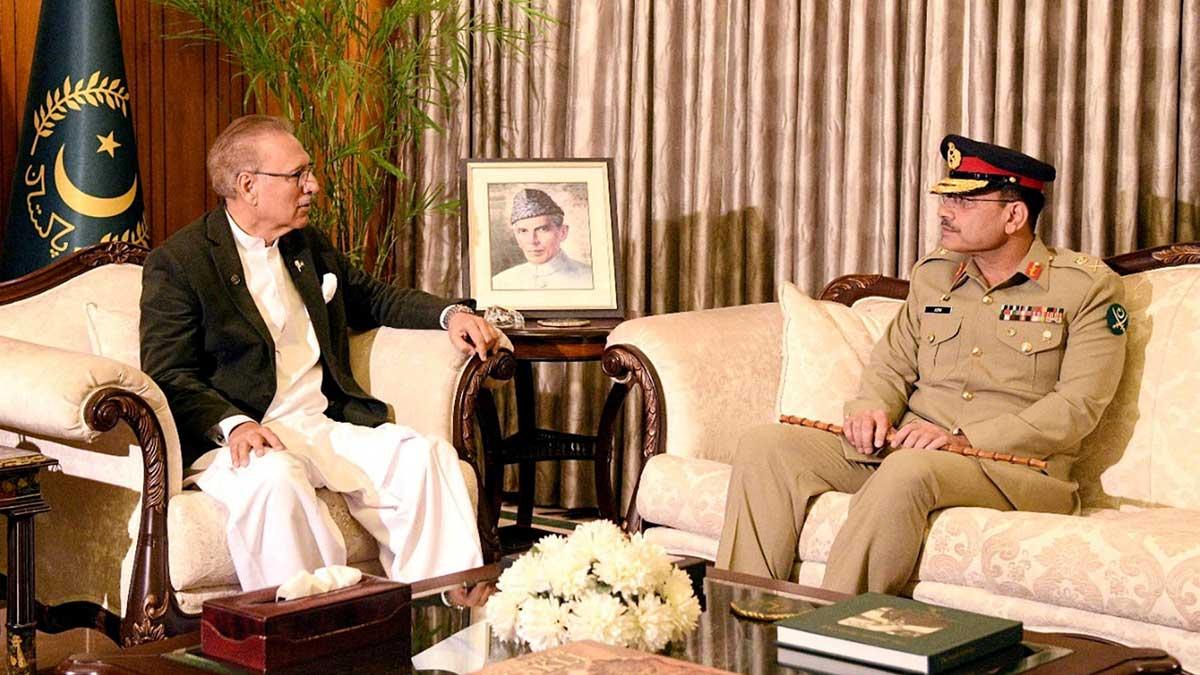
Pakistan's army chief, General Asim Munir, has held overnight communications with U.S. Vice President JD Vance, U.S. envoy Steve Witkoff, and Iran's Foreign Minister Abbas Araghchi to advocate for an immediate ceasefire between Israel and Iran. The proposal seeks to halt ongoing hostilities amid regional tensions.
MA
 rediff.com
Audio version
Tap play to generate a narrated version.
Pakistan's military leadership has initiated diplomatic outreach to address escalating tensions between Israel and Iran. General Asim Munir, the Chief of Army Staff, conducted communications through the night with key figures from the United States and Iran. These discussions focused on promoting a ceasefire to prevent further intensification of the conflict.
The individuals contacted by Munir include U.S. Vice President JD Vance and Steve Witkoff, a U.S. special envoy involved in Middle East negotiations. Iran's Foreign Minister Abbas Araghchi also participated in the talks. The proposal outlined in these exchanges calls for an immediate cessation of hostilities between Israel and Iran.
This effort by Pakistan comes amid broader regional dynamics, where Israel and Iran have been engaged in direct and proxy confrontations for years. Recent escalations include Israeli strikes on Iranian targets and retaliatory actions by Iran, raising concerns about wider involvement from regional powers.
Pakistan, maintaining relations with both Iran and the U.S., positions itself as a potential mediator in such disputes.
General Munir's role in these discussions highlights Pakistan's interest in stabilizing the Middle East, given its proximity to Iran and strategic ties with the U.S. The U.S. has been actively involved in de-escalation efforts, with Vance and Witkoff representing American interests in ceasefire negotiations.
Araghchi, as Iran's top diplomat, has been navigating responses to Israeli actions while coordinating with allies.
The ceasefire proposal aims to address immediate threats, such as potential expansions of military operations. Stakeholders affected include populations in Israel, Iran, and neighboring countries facing risks from spillover violence. International actors, including the U.S. and Pakistan, seek to mitigate economic disruptions from disrupted oil supplies and heightened global security alerts.

