Substrate
ai

Poll Finds Strong Worker Support for Union-Backed AI Policies

A survey of 1,588 workers found more than 90% support requirements for human oversight on employment decisions and transparency when employers use artificial intelligence. The poll, conducted for the AFL-CIO, showed unions viewed as the most trusted group to protect workers from AI effects. Support for every worker-protection measure tested reached at least 75%.

The Guardian
1 source·May 12, 11:00 AM(17 days ago)·2m read
Poll Finds Strong Worker Support for Union-Backed AI PoliciesThe Guardian
Audio version
Tap play to generate a narrated version.
Developing·Limited corroboration so far. This page will refresh as more sources emerge.

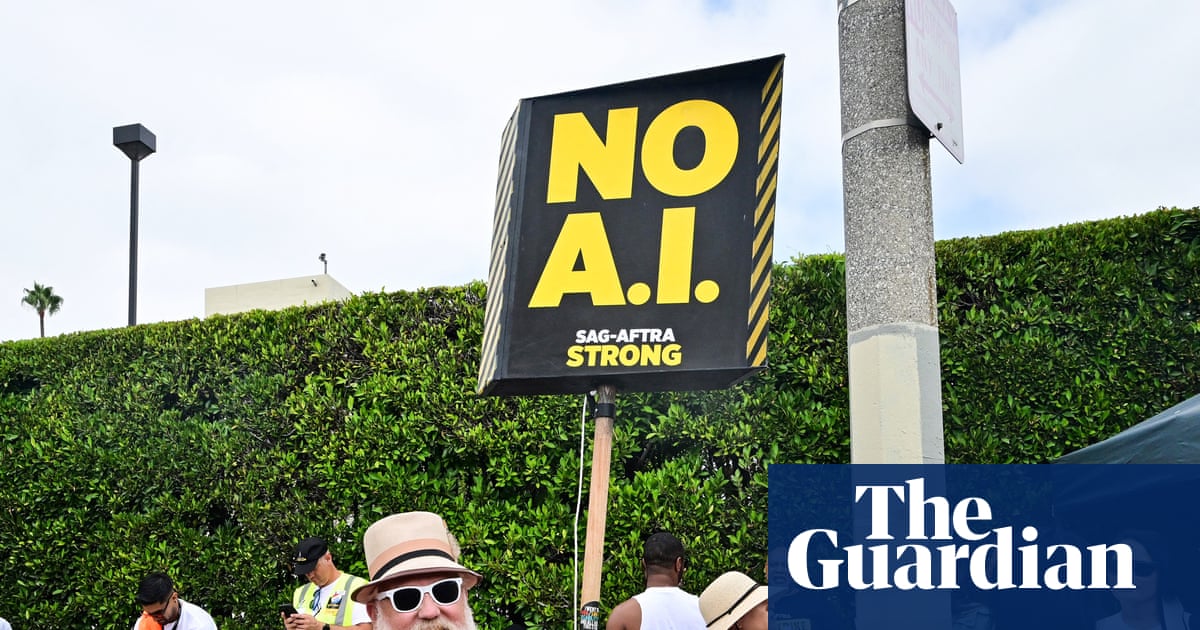
More than nine out of 10 workers surveyed support policies on artificial intelligence that labor unions have sought, including requirements for human decision makers on issues affecting employment and guardrails against harmful uses of the technology.

The poll, conducted by David Binder Research for the AFL-CIO from 14 April to 22 April, found 95% of respondents back a rule that a human must serve as the final decision maker on any matter affecting individual workers and their jobs. Some 92% supported advanced guardrails against harmful applications of AI in workplaces along with transparency and accountability requirements for employers.

Every worker-protection measure in the survey received backing from at least 75% of those polled. This included 75% who favored expanding opportunities for workers to form unions to safeguard jobs from AI effects. The survey of 1,588 respondents across the United States also showed that 78% consider it extremely or very important for action to be taken to protect workers from potential harms of AI.

Only 7% said their employers have disclosed how and when AI monitors their work, while 70% reported no disclosure and 23% were unsure.

When asked which group is most trustworthy to protect workers from AI effects, 38% chose labor unions, 17% picked Democrats, 10% selected Republicans, 6% named employers and 18% chose none of the options. The AFL-CIO released the results as unions continue to negotiate AI-related protections through collective bargaining agreements.

One union member described companies turning to AI as a way to reduce staff and cut costs even when results are poor. Union contracts secured in 2024 have included provisions for editorial integrity, transparency on AI use and prohibitions on layoffs or pay cuts tied to the technology.
A registered nurse and union member in North Carolina said her contract requires union approval before any new technology affecting patient care can be implemented. The agreement also bars technology that would de-skill workers or undermine their professional judgment.

The nurse added that some hospitals have deployed AI for scheduling and for algorithms estimating whether patients will deteriorate, despite known errors in the models. She stated that patients should not be subjected to unconsented experiments with the technology.

These results make it clear: our Workers First Initiative on AI is not just a set of principles, but a mandate to deliver." — Liz Shuler, president of the AFL-CIO (The Guardian) The polling comes amid growing efforts by workers to secure contractual limits on how artificial intelligence is deployed in workplaces.

Key Facts

95% support
human as final decision maker on worker issues
92% support
AI guardrails, transparency and accountability
38%
chose unions as most trusted on AI protections
7%
say employers disclose AI monitoring of work
1,588 respondents
surveyed nationwide April 14-22

Story Timeline

3 events
  1. 2026-05-12

    AFL-CIO releases poll showing high worker support for AI protections.

    1 sourceThe Guardian
  2. April 14-22 2026

    David Binder Research conducts poll of 1,588 US workers for AFL-CIO.

    1 sourceThe Guardian
  3. 2024

    Unions including Ziff Davis Creators Guild and National Nurses United secure AI protections in contracts.

    1 sourceThe Guardian

Potential Impact

  1. 01

    Contract negotiations in unionized sectors could incorporate more AI-specific protections.

  2. 02

    Unions may gain stronger position in collective bargaining over AI workplace rules.

  3. 03

    Employers may face increased pressure to provide transparency on AI monitoring practices.

  4. 04

    Findings could influence legislative debates on AI regulation at state and federal levels.

Transparency Panel

Sources cross-referenced1
Confidence score65%
Synthesized bySubstrate AI
Word count421 words
PublishedMay 12, 2026, 11:00 AM
Bias signals removed2 across 1 outlet
Signal Breakdown
Loaded 1Framing 1

Related Stories

Anthropic Raises $65 Billion at $965 Billion ValuationSemafor
ai1 hr agoDeveloping

Anthropic Raises $65 Billion at $965 Billion Valuation

Anthropic completed a $65 billion funding round at a $965 billion valuation. The round follows earlier growth that exceeded internal forecasts and a separate agreement to lease computing capacity.

Semafor
1 source
South African Researchers Develop Quantum and AI Tools for Cybersecuritythesouthafrican.com
ai1 hr agoDeveloping

South African Researchers Develop Quantum and AI Tools for Cybersecurity

Scientists and startup companies in South Africa are applying quantum communication and AI-powered tools to address rising global cyber threats. The work focuses on strengthening data protection methods.

Reuters
1 source
EU Discusses Readiness for Artificial Intelligence ChangesFrance 24
ai5 hrs agoDeveloping

EU Discusses Readiness for Artificial Intelligence Changes

A France 24 program examined whether European Union policies can address the effects of artificial intelligence. The discussion covered potential impacts across daily life and economic sectors.

France 24
1 source