Substrate
technology

Protein in Homo erectus Teeth Indicates Denisovan DNA Inherited by Modern Humans

Researchers identified a distinct form of the tooth enamel protein ameloblastin in Homo erectus samples from China that also appears in Denisovans and some modern human populations. The study examined ancient proteins from teeth approximately 400,000 years old, bypassing DNA degradation limits.

Ars Technica
newscientist.com
sciencealert.com
3 sources·May 13, 8:27 PM(15 days ago)·2m read
Protein in Homo erectus Teeth Indicates Denisovan DNA Inherited by Modern HumansArs Technica
Audio version
Tap play to generate a narrated version.

Analysis of ancient proteins extracted from Homo erectus teeth has provided evidence that Denisovans interbred with this earlier human relative and passed some of that genetic material to modern humans. Homo erectus left Africa more than a million years ago and spread across Eurasia.

Previous genetic studies indicated that Denisovans carried DNA from an even earlier archaic human group. The identity of that group had remained unclear until the protein evidence pointed to Homo erectus. DNA degrades over time and becomes difficult to recover from remains older than several hundred thousand years.

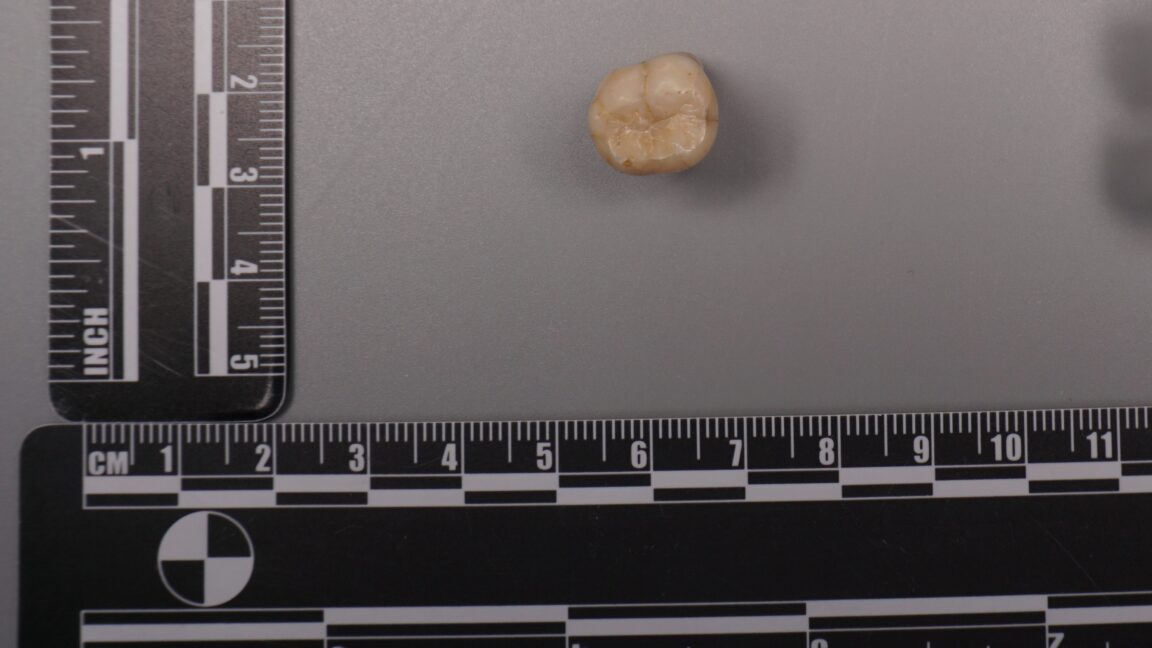
Proteins preserved in tooth enamel last longer, allowing researchers to recover amino acid sequences from samples up to 2 million years old. The researchers collected microscopic samples from Homo erectus teeth recovered at three sites in China, each dated to about 400,000 years ago.

They first validated their methods on animal teeth from the same locations before examining five Homo erectus specimens and a Denisovan tooth from Harbin. From these samples they recovered fragments of six to 11 enamel proteins per individual. The team compared the ancient protein sequences with those found in modern humans and required that any differences appear in multiple overlapping fragments analyzed at two separate facilities.

Two amino acid differences were identified in the protein ameloblastin. One variant appears unique to Homo erectus among primates studied so far. The second variant was found in one copy of the protein in the Harbin Denisovan, alongside a version matching that of modern humans.

The genetic change responsible for this second variant has been detected in the genomes of other Denisovans as well as in several modern human populations, including groups in India, the Philippines, and elsewhere. It is present in more than 20 percent of some populations native to the Philippines.
Interpreting the Genetic Link The two protein changes occur only 20 amino acids apart in the same protein, meaning the underlying DNA variants are relatively close in the genome and are likely to be inherited together. The probability of recombination separating them is low.

One interpretation is that the Denisovans acquired one of the mutations independently. An alternative explanation is that the shared variant resulted from interbreeding between Denisovans and Homo erectus. Earlier analysis of the Denisovan genome had already indicated admixture with a much older archaic human relative.

The researchers favor the explanation that the variant entered the Denisovan lineage through interbreeding with Homo erectus. If correct, this indicates that segments of Homo erectus DNA, transmitted through Denisovans, remain in the genomes of some present-day human populations.

The study was published in Nature on May 14, 2026.

Key Facts

Ameloblastin protein
Two variants found in Homo erectus teeth
Homo erectus teeth
Samples from three China sites, 400,000 years old
Denisovan Harbin sample
Carried one Homo erectus ameloblastin variant
Modern populations
Variant present in over 20% of some Philippine groups
Protein recovery
Sequences obtained from 2-million-year-old enamel possible

Story Timeline

3 events
  1. 2026-05-14

    Study on Homo erectus tooth proteins published in Nature.

    1 sourceArs Technica
  2. 400,000 years ago

    Homo erectus individuals lived at sites in China where teeth were later sampled.

    1 sourceArs Technica
  3. Prior to 2026

    Earlier Denisovan genome analysis suggested interbreeding with an archaic human relative.

    1 sourceArs Technica

Potential Impact

  1. 01

    The study adds protein evidence to genetic models of archaic human interbreeding.

  2. 02

    The findings refine understanding of genetic contributions from multiple archaic groups to modern humans.

  3. 03

    Certain populations in Asia may carry small segments of Homo erectus DNA via Denisovans.

  4. 04

    Methods using ancient enamel proteins may be applied to additional Homo erectus remains.

Transparency Panel

Sources cross-referenced3
Confidence score75%
Synthesized bySubstrate AI
Word count433 words
PublishedMay 13, 2026, 8:27 PM
Bias signals removed2 across 2 outlets
Signal Breakdown
Editorializing 1Loaded 1

Related Stories

World Urban Forum 2026 Draws 57,000 Participants from 176 CountriesEuronews
technology4 hrs agoDeveloping

World Urban Forum 2026 Draws 57,000 Participants from 176 Countries

The 13th World Urban Forum concluded with discussions on housing, climate resilience and urban governance. Organisers reported that the sessions informed future strategic priorities.

Euronews
1 source
Trump Mobile website still lists T1 phone as American-madetheverge.com
technology4 hrs agoDeveloping

Trump Mobile website still lists T1 phone as American-made

The product page for the T1 phone continues to describe the device as American-made. The Verge reported that the site may conflict with FTC advertising rules. The phone was announced in June 2025.

The Verge
1 source
EU Discusses Readiness for Artificial Intelligence ChangesFrance 24
ai4 hrs agoDeveloping

EU Discusses Readiness for Artificial Intelligence Changes

A France 24 program examined whether European Union policies can address the effects of artificial intelligence. The discussion covered potential impacts across daily life and economic sectors.

France 24
1 source