Topic
human-evolution
12 stories related to this topic, newest first.
 automotiveworld.com
world38 days ago
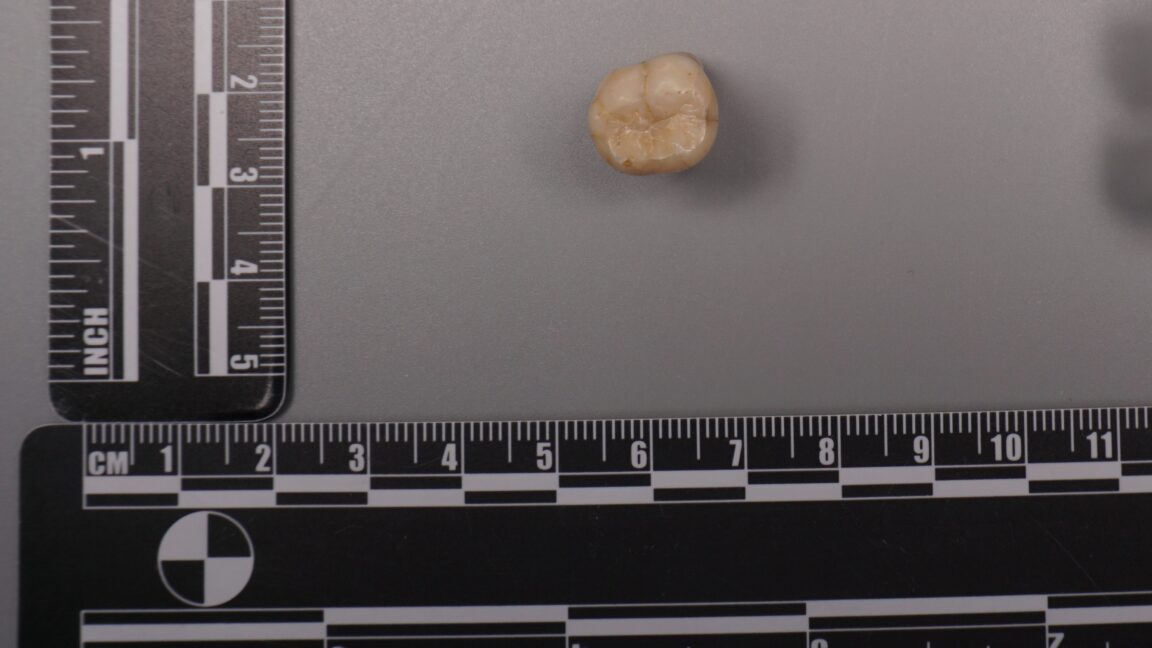
Study Finds 59,000-Year-Old Tooth Shows Signs of Early Dental Procedure
Researchers examined a Neanderthal molar from a Siberian cave that shows evidence of an invasive dental procedure. The tooth dates to about 59,000 years ago and belonged to an adult individual.
JE
 nypost.com
world40 days ago
Oxford Study Links Human Right-Hand Dominance to Bipedalism
A University of Oxford study found that right-hand preference in humans developed alongside the ability to walk upright. The research compared handedness patterns across primate species and examined brain development tied to bipedalism.
 Ars Technica
technology45 days ago
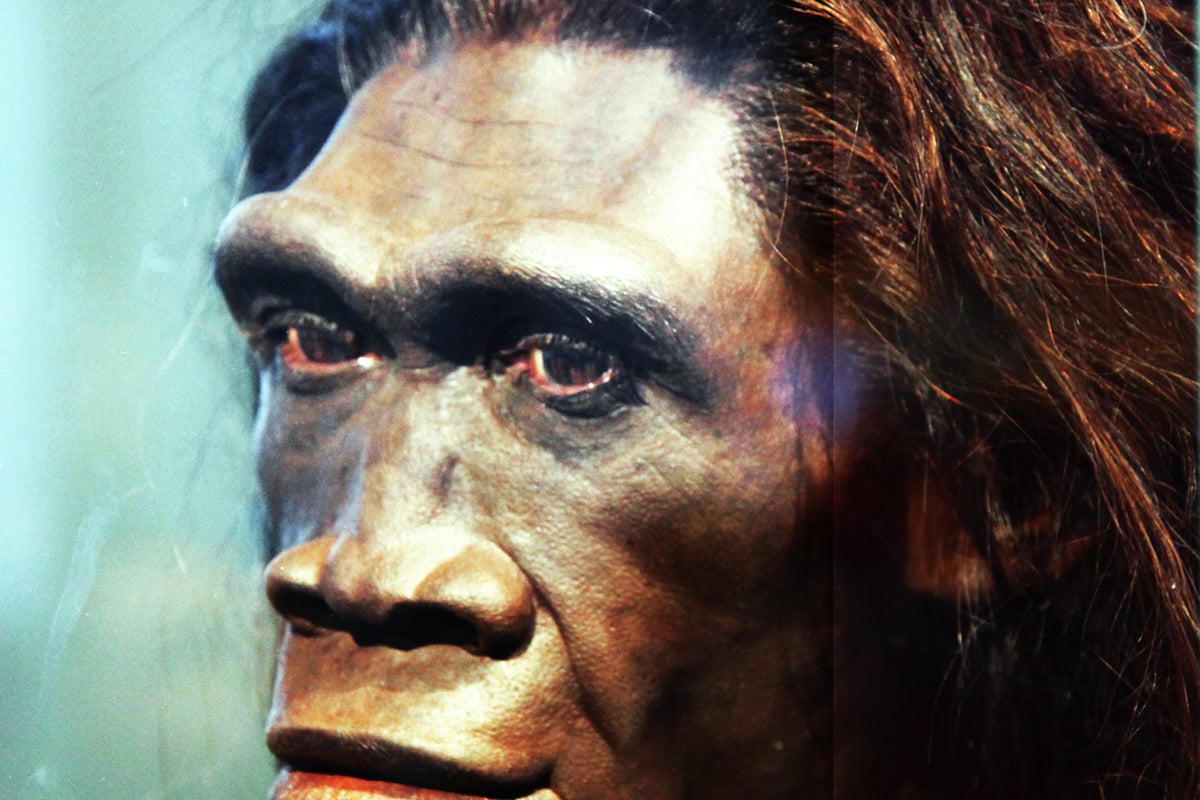
Protein in Homo erectus Teeth Indicates Denisovan DNA Inherited by Modern Humans
Researchers identified a distinct form of the tooth enamel protein ameloblastin in Homo erectus samples from China that also appears in Denisovans and some modern human populations. The study examined ancient proteins from teeth approximately 400,000 years old, bypassing DNA degr…
 The Independent
science45 days ago
Proteins From 400,000-Year-Old Teeth in China Yield First Data on Homo Erectus
Researchers recovered substantial preserved proteins from six teeth assigned to Homo erectus at three Chinese sites, revealing two enamel protein variants shared by all specimens. One variant appears unique to East Asian H. erectus while the second is also found in Denisovans and…
 New Scientist
science46 days ago
Study Finds Minor Changes in Average Japanese Skull Shape Over Past Century
CT scans of people who died between 1900 and 1920 compared with those who died between 2022 and 2024 show skulls have become more brachycephalic, with shorter foreheads, larger mastoid processes and increased sexual dimorphism. Shiori Usui attributes the changes to improved child…
 The Independent
science51 days ago
Andean Populations Show Genetic Adaptation to Potato-Rich Diet
Indigenous communities in the Andes domesticated potatoes between 6,000 and 10,000 years ago, leading to genetic changes that persist in their descendants. A new study found that Quechua speakers in Peru have an average of 10 copies of the AMY1 gene, which produces an enzyme that…
 New Scientist
science52 days ago
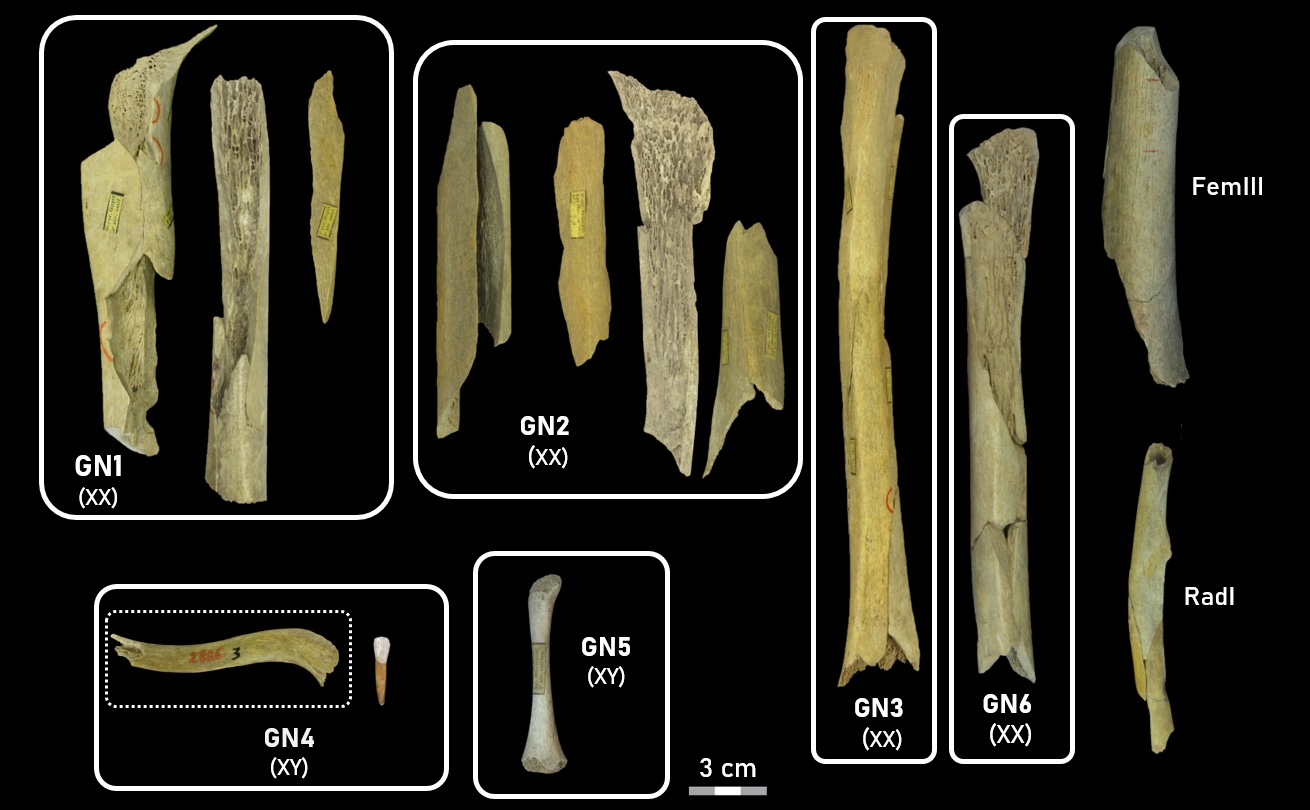
Neandertals Used Rhinoceros Teeth as Tools at Sites in Spain and France
Researchers identified marks on fossilized rhinoceros teeth from caves in Spain and France that indicate Neandertals used them as hammers and anvils around 100,000 years ago. The teeth served multiple purposes including shaping stone tools and processing vegetable fibers and hide…
 archaeology.org
world61 days ago
Study Finds Neanderthal Children Grew Faster Than Modern Humans
A recent study published in Current Biology indicates that Neanderthal children developed at a faster rate than modern humans. The research is based on remains from northern Israel, dated between 51,000 and 56,000 years ago. The findings suggest this growth pattern may relate to…
JE
 Substrate placeholder — needs review
finance66 days ago
Harvard Study Analyzes Genetic Selection in Ancient West Eurasian DNA Spanning 10,000 Years
David Reich’s genetics lab at Harvard released a report showing human evolution in Europe and the Middle East over the last 10,000 years. The genome-wide association study identifies changes in disease vulnerabilities and traits like fair skin and intelligence. ZeroHedge reported…
Substrate placeholder — needs reviewscience78 days ago
Long-Term Chimpanzee Conflict in Ugandan Park Examined for Insights into Human Warfare Origins
Researchers have studied a prolonged conflict among chimpanzee groups in Uganda's Gombe Stream National Park. The conflict, which lasted four years, involved lethal violence between neighboring communities. Observations from this event are analyzed in relation to the evolution of…
Substrate placeholder — needs reviewscience79 days ago
Genetic Study Suggests Human Population Once Dropped to 1,280 Breeding Adults
The current global human population exceeds 8 billion. A recent genetic study indicates that the human population may have declined to approximately 1,280 breeding adults at some point in the past. The study examines genetic evidence to support this finding.
NE
 sciencealert.com
science81 days ago
Human Genetic Mutation Rate and Its Effects on Fitness Examined in New Scientist Column
A column in New Scientist discusses the human genetic mutation rate, which some researchers have linked to declines in physical and mental fitness. Columnist Michael Le Page argues that these mutations do not pose the health risks often attributed to them. The piece explores whet…
NE