world
Rebuilding Iran's Energy Infrastructure to Take Years After Cease-Fire
A cease-fire in the war in Iran has been announced, but reconstruction of the damaged energy infrastructure will require years. Henry Tugendhat, a fellow at the Center for a New American Security, stated that the wealthiest individuals will pay premium prices for remaining energy supplies. The article examines the challenges in restoring Iran's energy sector amid ongoing recovery efforts.
FO
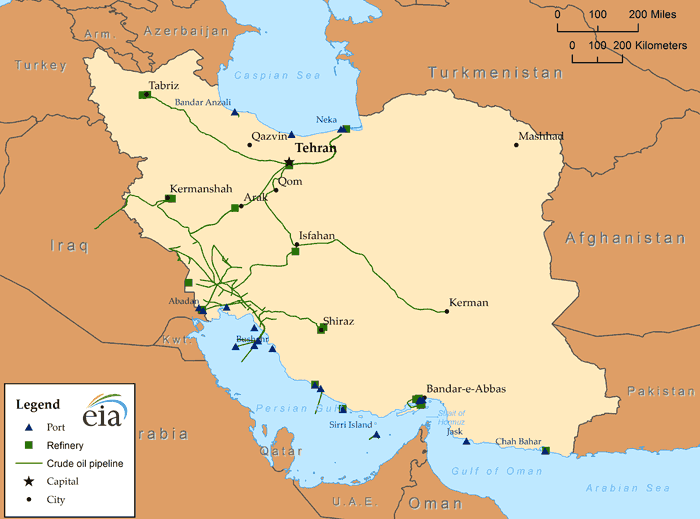 U.S. Energy Information Administration (E.I.A.) / Wikimedia (Public domain)
Audio version
Tap play to generate a narrated version.
A cease-fire has been reached in the war in Iran, according to reports from Foreign Affairs. The conflict has resulted in significant damage to the country's energy infrastructure, including oil refineries, pipelines, and power plants. Reconstruction efforts are expected to span several years, even if the cease-fire remains in place.
An analysis published in Foreign Affairs notes that the war has led to the loss of substantial energy production capacity. Immediate restoration will be limited by the extent of the destruction and the availability of resources for repairs. The analysis focuses on the long-term implications for Iran's energy sector.
The war has escalated tensions in the Middle East and disrupted global energy markets.
Key facilities sustained heavy damage from military actions. Repairing these assets will require international expertise, materials, and funding, which may face delays due to sanctions and political instability. Access to energy will become stratified post-conflict.
This disparity could affect urban populations and industries reliant on consistent power supplies. Rural areas, already underserved, may experience prolonged outages.
The conflict has halted much of Iran's energy output, contributing to price fluctuations worldwide. Affected parties include Iranian citizens facing shortages and international importers seeking alternative sources. Next steps involve assessing damage through joint inspections by Iranian authorities and potential international observers.
Funding could come from domestic revenues or multilateral aid, though geopolitical factors may complicate agreements. Monitoring the cease-fire's stability will be essential for initiating rebuilding projects.

