politics
Redistricting Battles Continue Between Parties
States are engaged in mid-decade redistricting that could affect congressional control after November. The process allows lawmakers to draw district lines that influence election outcomes.
May 22, 11:07 AM·1m read1 source
 reason.com
Audio version
Tap play to generate a narrated version.
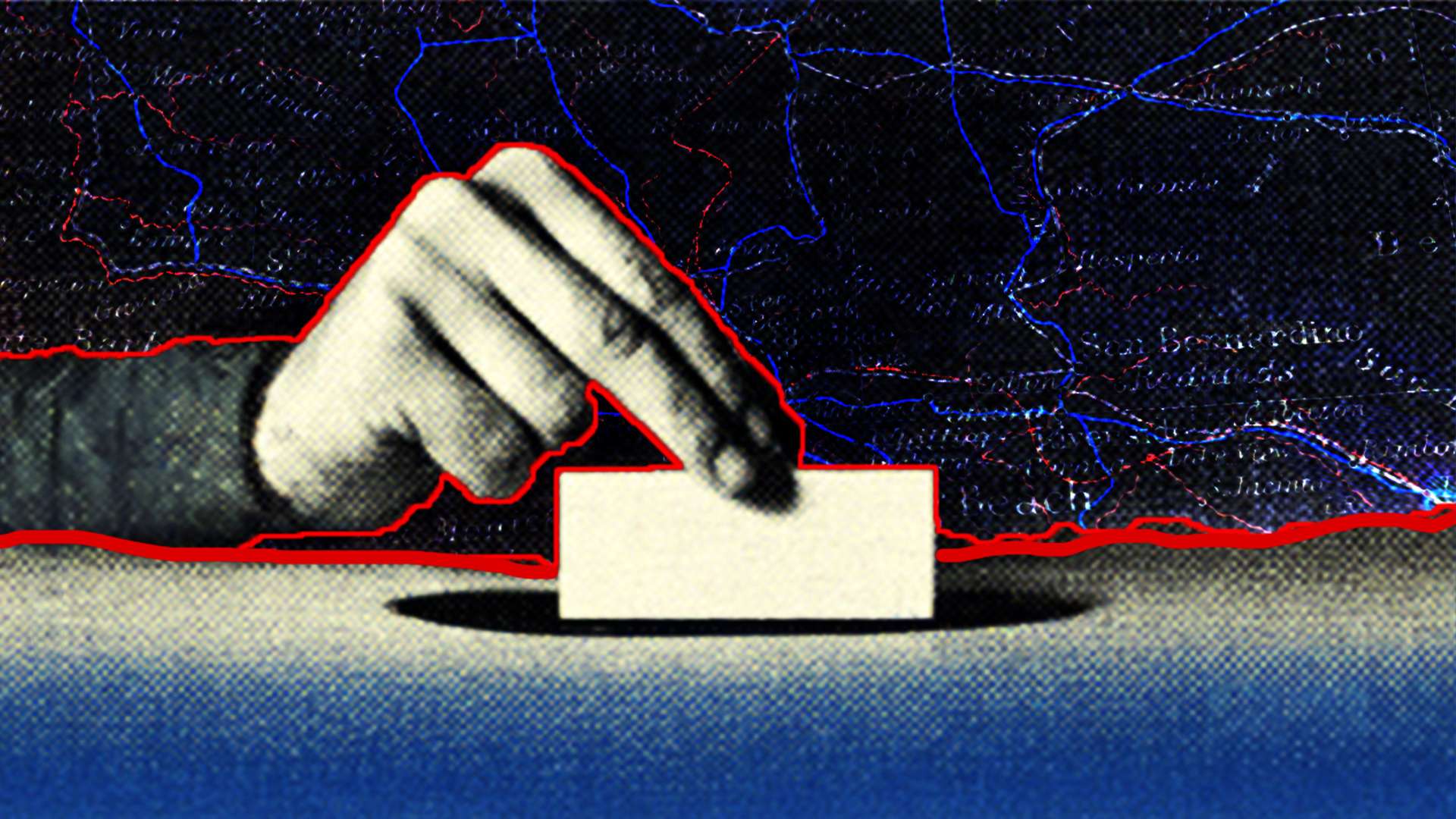
States continue a mid-decade redistricting process that could determine which party controls Congress after November. The practice, known as gerrymandering, lets politicians draw district boundaries that influence which voters are grouped together.
The term gerrymandering dates to 1812, when Massachusetts Gov. Elbridge Gerry signed a state Senate map that shifted from county-based districts to ones with irregular shapes. States with one-party control have used similar methods to maintain dominance in legislative seats.
One former resident of a Los Angeles County supervisorial district described boundaries that stretched from the eastern San Gabriel Valley to Marina del Rey, consolidating votes in a way that affected outcomes in surrounding districts. Both parties have employed these tactics over time.
A Virginia Supreme Court decision rejected voter-approved maps that would have reduced representation for one party. Officials in Texas and other states have drawn new lines that reduce seats for the opposing party. The U.S. Supreme Court ruled in a Louisiana case involving a majority-Black district, giving states additional flexibility in how they configure districts.
California's Proposition 50 created temporary changes that combined voters from conservative rural counties with those from more liberal coastal areas.
District maps that favor one party can reduce incentives for candidates to appeal to voters outside their base. Representatives may focus primarily on satisfying partisan supporters rather than addressing broader constituent concerns. The process has prompted some lawmakers to call for limits on repeated redistricting.
Proposals to expand the number of state legislative seats have been discussed as one way to improve access between voters and elected officials. Benjamin Franklin warned against laws that favor one group at the expense of another, noting such policies could create lasting divisions among the public.