Reform UK Wins Over 1,000 Council Seats in May 2026 Local Elections
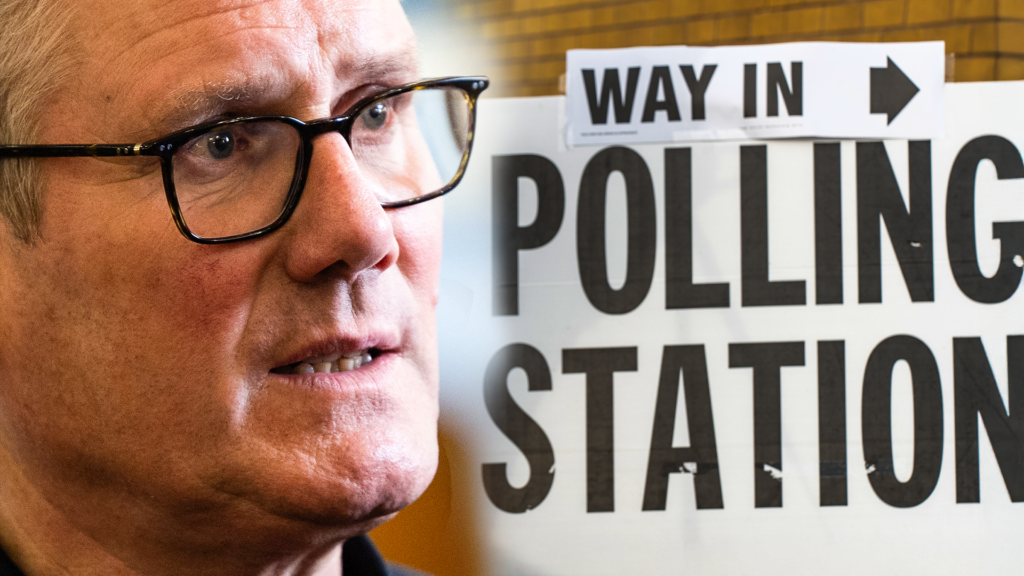
Voters in England, Scotland and Wales cast ballots on 7 May 2026 for more than 5,000 councillors, six mayors and devolved parliaments. Reform U.K. emerged with more local councillors in England than any other party and would hold the largest bloc in a projected hung Parliament. Nigel Farage described the results as Labour and the Conservatives being wiped out in their traditional strongholds.
 Reason
Reform UK gained more than 1,000 seats in local elections held on 7 May 2026 across almost half of the United Kingdom. Voters in England elected over 5,000 councillors in 136 local authorities on that date. Six directly elected mayors were also chosen, while elections took place for the Scottish and Welsh devolved parliaments.
Labour lost over 900 council seats and control of almost 30 councils, including Westminster and Essex. Reform UK now has more local councillors than any other party in England. The party is also raising more in donations than any other party following the elections.
An Ipsos poll found that controlling immigration is the most important issue for British voters, who view immigration as their top priority locally. A projection based on the local results showed Reform UK would win 284 seats in a parliamentary election, the Conservatives 96, Labour 110, the Liberal Democrats 80, the Scottish National Party 36, Plaid Cymru 13 and the Greens 13.
That would leave Reform UK 42 seats short of the 326 needed for a majority.
The next UK general election does not legally have to be held until 2029. Local elections were held in only parts of the country under first-past-the-post rules with historically low turnout.
At a party held at Reform HQ on 7 May 2026, before any results had been announced, the mood was buoyant. A source who attended the party said "Reform is a party with a lot to be confident about, and this was very much the mood of the party."
Transparency
Rewrite largely strips framing but retains mild anonymous sourcing and lede emphasis on Reform's gains over deeper context of low-turnout partial elections.
Lede misdirection: lede centers on seat gains rather than low-turnout partial election context
The same local-election results could be read as a predictable protest vote in low-turnout off-year contests that will likely dissipate under first-past-the-post rules in a real general election, leaving the two-party system largely intact.
2 independent outlets report the same core facts. This score blends how many outlets corroborate, their editorial tier, and how closely their facts agree — it measures corroboration, not proof.
Sources framed at 65 → our rewrite 55. We stripped 10 points of framing the sources carried in.
Story details
Related Stories
 Fox News
Six States Hold Primaries for Governor and Senate Seats; California Has 61-Candidate Field
Primary elections were held Tuesday in California, Iowa, Montana, New Jersey, New Mexico and South Dakota. The contests set the field for November races that could determine control of the U.S. Senate and House.
 thegatewaypundit.com
Federal Appeals Court Rules Transgender Military Ban Likely Unconstitutional
A divided federal appeals court ruled Monday that the Trump administration policy banning transgender individuals from military service is likely unconstitutional. The 2-1 decision leaves a preliminary injunction in place for current service members but allows restrictions on new…
 ABC News
Graham Platner Sent Sexually Explicit Texts to Multiple Women Outside Marriage, Campaign Was Warned of Political Risk
The presumptive Democratic nominee for U.S. Senate in Maine responded to reports that he sent sexually explicit messages to multiple women. His wife Amy Gertner also issued statements defending their marriage.