science
Rescue satellite LINK lifts off to attempt raising NASA’s Swift Observatory
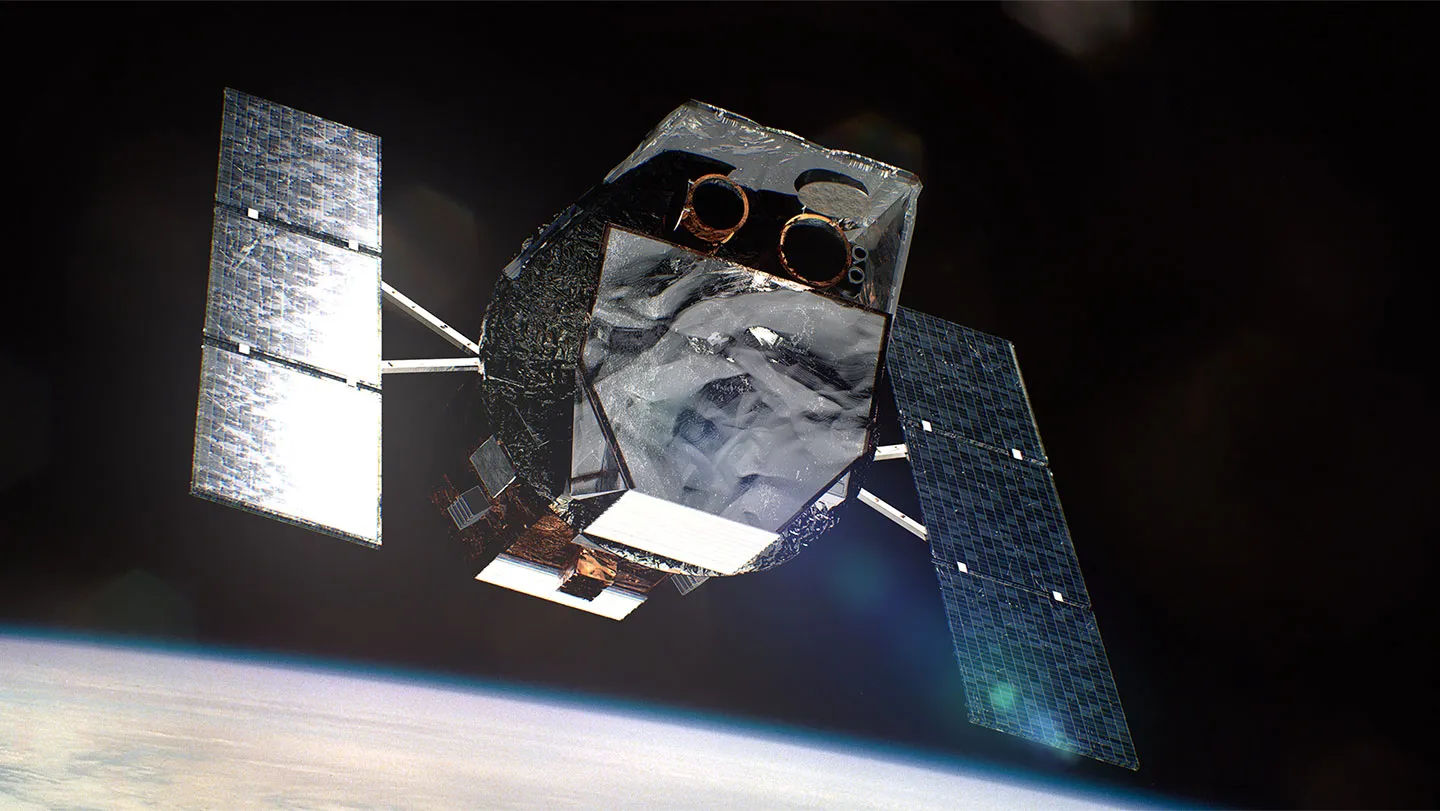
A satellite built by Katalyst Space Technologies lifted off July 3 aboard a Pegasus XL rocket to grapple and push the Neil Gehrels Swift Observatory back to its original altitude. The mission seeks to extend the telescope's operations after two decades of orbital decay.
 New Scientist
Audio version
Tap play to generate a narrated version.
Developing·Limited corroboration so far. This page will refresh as more sources emerge.
A rescue satellite named LINK launched on the morning of 3 July aboard a Northrop Grumman Pegasus XL rocket to intercept and raise NASA's Neil Gehrels Swift Observatory. @NewScientist reported that the spacecraft will spend several weeks in testing before attempting to grasp the observatory with three robotic arms and push it upward for roughly two months.
Swift entered orbit in 2004 at an altitude of about 600 kilometres.
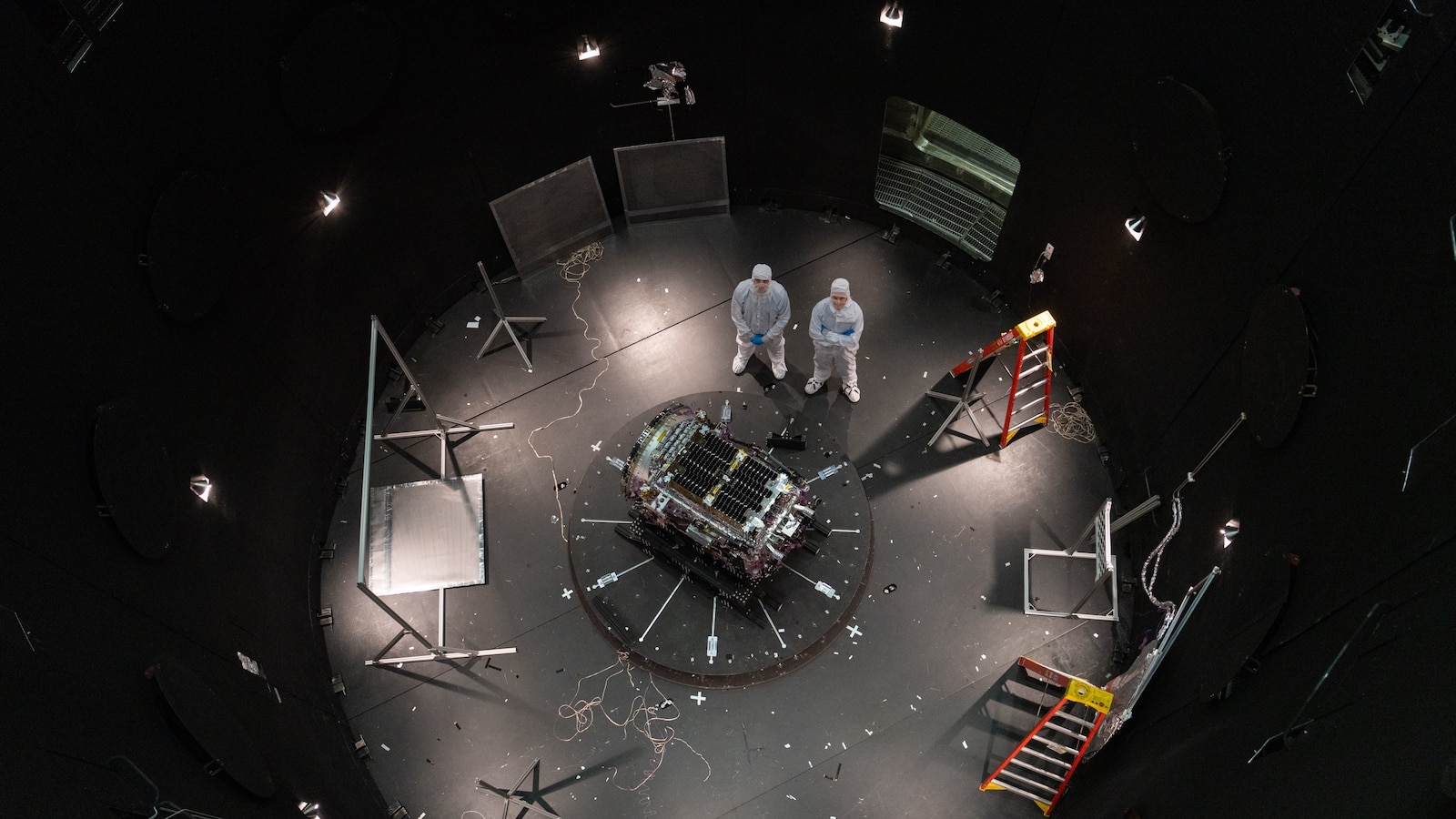
Atmospheric drag has since lowered it to approximately 375 kilometres, with the descent accelerating in recent years after powerful solar flares expanded the upper atmosphere. Katalyst Space Technologies, an Arizona firm, proposed the mission after NASA selected its plan over other options. LINK measures less than 2 metres in height and carries large solar arrays to power its thrusters and arms.
Once attached, it will return Swift to 600 kilometres, a manoeuvre that could add up to a decade of additional observing time. The observatory has recorded roughly 1,800 gamma-ray bursts since launch and has studied comets, planets, supernovae and black holes. Ghonhee Lee, CEO of Katalyst, stated that Swift was not designed for servicing.
He said the effort demonstrates a quick and cost-effective method to extend the life of spacecraft never built for on-orbit maintenance.