Substrate
finance

Rising Gas Prices Unlikely to Yield Major Car Insurance Savings, Insurify Reports

A report from Insurify indicates that even if drivers reduce mileage due to higher gas prices, car insurance savings would be minimal. Gas prices have increased to around $4 per gallon amid conflict in the Middle East and a U.S. military blockade of the Strait of Hormuz. The analysis shows a 10% reduction in driving would save the average person only $27 annually on insurance.
CNBC
1 source·Apr 23, 11:00 AM(12 days ago)·1m read
|
Rising Gas Prices Unlikely to Yield Major Car Insurance Savings, Insurify Reportsslashgear.com
Audio version
Tap play to generate a narrated version.
Developing·Limited corroboration so far. This page will refresh as more sources emerge.

Gas prices in the United States have risen to a national average of about $4 per gallon following conflict in the Middle East and a U.S. military blockade of the Strait of Hormuz. Fuel costs have increased by 37% since the start of the war, according to insurance-comparison marketplace Insurify. Oil prices have exceeded $100 per barrel as a result of these events.

gas prices typically prompt consumers to reduce the number of miles they drive. A 10% rise in gas prices leads to an average 3% reduction in driving, Insurify reported. Fewer miles driven can result in fewer accidents and potentially lower car insurance premiums.

However, Insurify's report states that a 10% reduction in total mileage this year would lower the average annual insurance premium to $2,209 from the current $2,222. This change would save the average person $27 per year. Even with reduced driving, the same person would spend an additional $385 on gas in 2026, according to Insurify.

Gas prices might overwhelm the savings they could get from insurance, especially if you're driving a lot," Matt Brannon, a senior analyst at Insurify, told CNBC.

benefit from reduced driving and fewer accidents, but these gains are offset by a 4% year-over-year increase in auto parts costs, Insurify noted. Progressive warned in March that retaliatory tariffs and rising auto parts costs could pressure profit margins and lead to rate hikes.

Key Facts

US blockade drives fuel price surge
The United States military blockaded the Strait of Hormuz, resulting in fuel prices rising above $100 per barrel.
Gas prices reach $4 per gallon
The national average for gas in the United States reached around $4 per gallon due to the war in the Middle East.
Insurify report on driving reductions
Reducing driving by 10% would save the average person $27 a year on insurance but add $385 extra on gas in 2026.
Auto parts costs increase
The cost of auto parts has risen 4% year over year, with Progressive warning of potential rate hikes.
Fuel costs surge 37%
Fuel costs surged 37% since the start of the war in the Middle East, according to Insurify.

Story Timeline

6 events
  1. 2026-04-23

    Current date, with ongoing impacts from rising gas prices and Insurify report release.

    1 sourceCNBC
  2. 2026-04-13

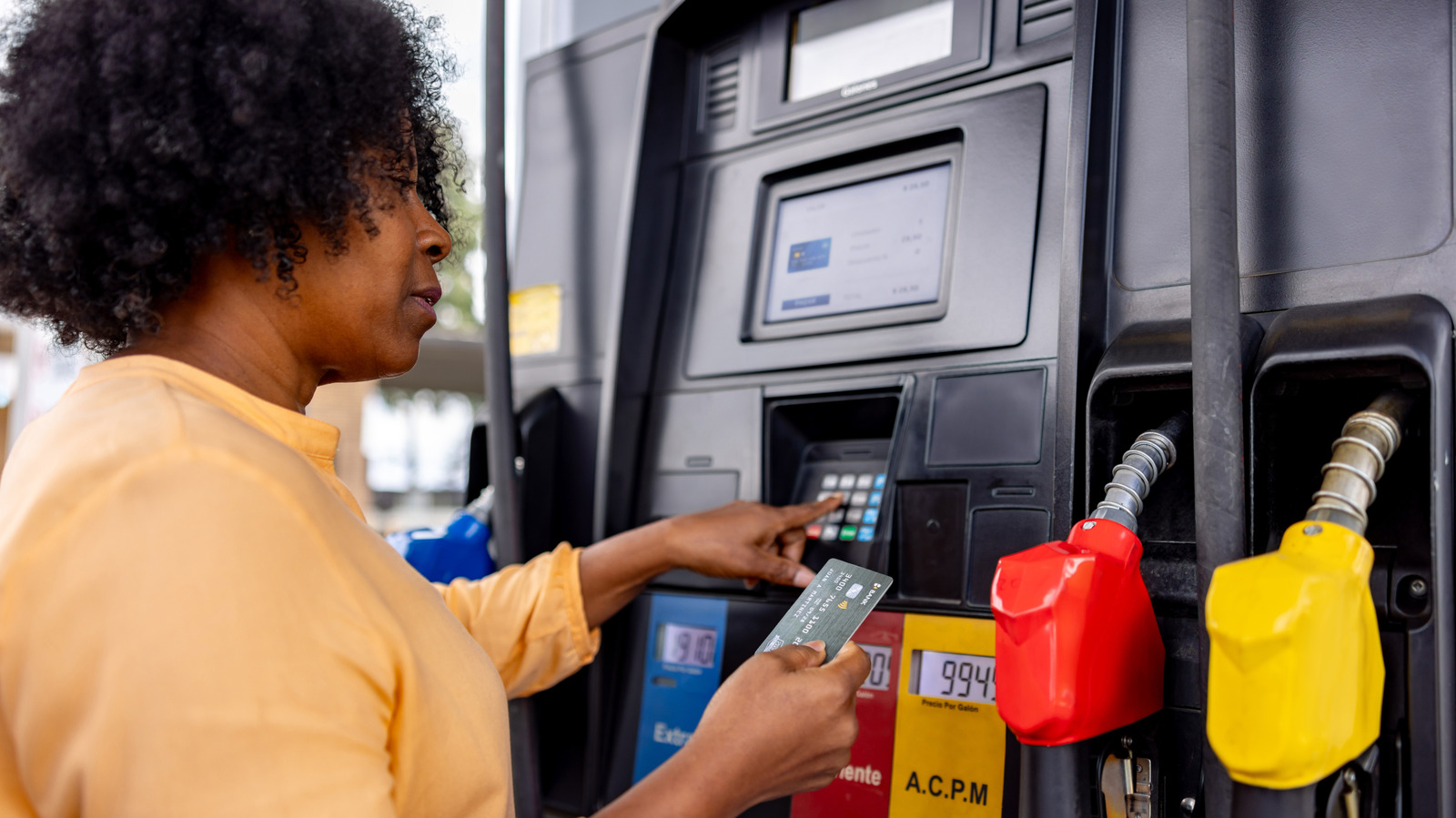
    A customer filled his vehicle with fuel at a gas station in Miami, Florida.

    1 sourceCNBC
  3. 2026-03

    Progressive warned that retaliatory tariffs and rising auto part costs could pressure profit margins and lead to rate hikes.
    1 sourceCNBC
  4. Start of war in Middle East

    Fuel costs surged 37% since the start of the war in the Middle East.

    1 sourceCNBC
  5. Recent period

    United States military blockaded the Strait of Hormuz, causing fuel prices to rise above $100 per barrel.

    1 sourceCNBC
  6. Year over year

    The cost of auto parts has risen 4% year over year.

    1 sourceCNBC

Potential Impact

  1. 01

    Overall consumer spending on fuel increases significantly despite reduced driving.

  2. 02

    Insurers face pressure from rising auto parts costs, potentially leading to rate hikes as warned by Progressive.

  3. 03

    Consumers may reduce driving by 3% on average due to 10% gas price rise, leading to minor insurance savings.

  4. 04

    Average insurance premiums could drop slightly to $2,209 with 10% mileage reduction, but gas expenses rise by $385.

  5. 05

    Fewer miles driven may result in fewer accidents, but offset by higher repair costs.

Transparency Panel

Sources cross-referenced1
Framing risk28/100 (low)
Confidence score65%
Synthesized bySubstrate AI
Word count246 words
PublishedApr 23, 2026, 11:00 AM
Bias signals removed3 across 3 outlets
Signal Breakdown
Loaded 3

Related Stories

Oil Prices Drop After Reports of U.S.-Iran Talks on Ending War and Reopening Strait of HormuzJashuah / Wikimedia (CC BY-SA 3.0)
finance38 min ago

Oil Prices Drop After Reports of U.S.-Iran Talks on Ending War and Reopening Strait of Hormuz

Oil prices dropped significantly following reports that the U.S. and Iran are close to a memorandum of understanding to halt fighting and begin nuclear talks. President Trump announced a pause in the U.S. naval escort operation in the Strait of Hormuz. Iran is expected to respond…

cnbc.com
DE
UN
3 sources
FDA Withdraws Studies Supporting Safety of COVID and Shingles VaccinesThe U.S. Food and Drug Administration / Wikimedia (Public domain)
finance38 min ago

FDA Withdraws Studies Supporting Safety of COVID and Shingles Vaccines

The U.S. Food and Drug Administration blocked the publication of research finding rare side effects from COVID and shingles vaccines. The studies were withdrawn due to broad conclusions not supported by data, amid broader efforts by the Trump administration to challenge vaccine r…

cnbc.com
The New York Times
Forbes
3 sources
finance2 hrs ago

UAE Leaves OPEC After 60 Years of Membership, Reducing Group to 11 Producers

The United Arab Emirates departed the Organization of the Petroleum Exporting Countries on Tuesday, reducing the group's membership to 11 nations. OPEC members now account for about 33% of global crude oil output. The exit occurs amid high oil prices and the ongoing closure of th…

BBC News
The Guardian
OilPrice.com
3 sources