politics
Russia Announces Unilateral Ceasefire in Ukraine for Victory Day
Russia announced a two-day unilateral ceasefire with Ukraine on May 8 and 9 to mark the World War II Victory Day. Ukraine responded by declaring its own truce from midnight on May 5 to May 6. The announcements come amid the ongoing war, which has lasted more than four years.
AF
AJ
 winnipegfreepress.com
Audio version
Tap play to generate a narrated version.
Russia has declared a unilateral ceasefire in Ukraine for May 8 and 9, coinciding with Moscow's annual commemoration of the Soviet victory in World War II. The defense ministry stated the pause honors the occasion, known in Russia as the Great Patriotic War.
This move follows a pattern of similar unilateral truces Russia has observed during Orthodox Christian holidays like Christmas and Easter. Ukraine responded by announcing its own ceasefire, set to begin at midnight on May 5 and last through May 6. President Zelenskyy described Russia's announcement critically, according to reports.
It warned of a massive missile strike on Kyiv if Ukraine violates the terms during those two days. State media outlet TASS reported the ministry's statement, which emphasized the celebratory nature of the period.
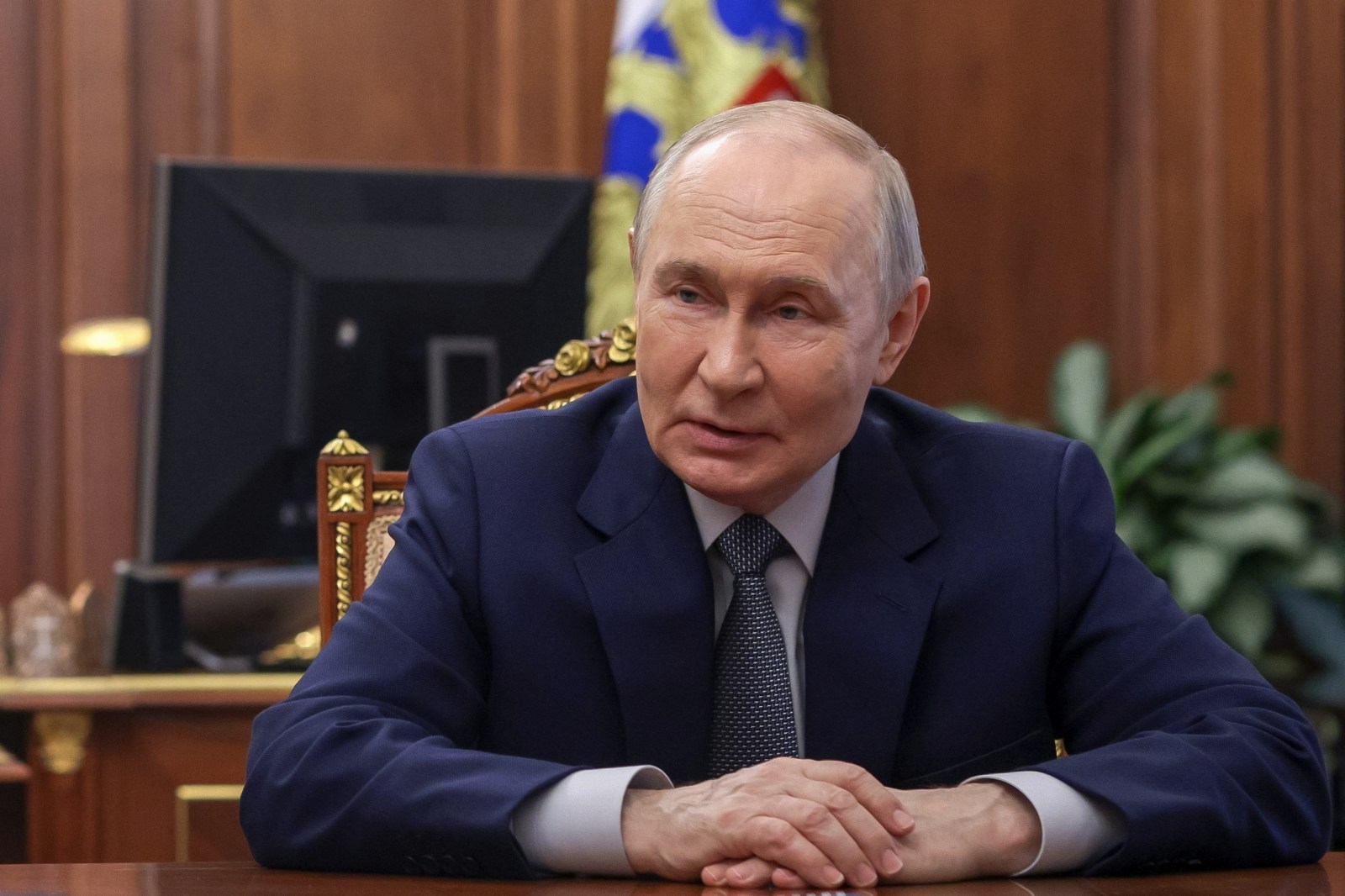
“In accordance with the decision of Russian supreme commander-in-chief Vladimir Putin, a ceasefire is declared on May 8-9, 2026, in honor of the celebration of the Soviet people’s victory in the Great Patriotic War.”
For its part, Ukraine's response included criticism of the Russian initiative. President Zelenskyy announced the earlier truce dates, positioning it as an independent step. This exchange highlights ongoing tensions in the conflict.
The war between Russia and Ukraine has persisted for over four years with no immediate resolution in sight. Previous unilateral ceasefires by Russia have typically aligned with religious or historical observances. These pauses have varied in adherence, but sources indicate they have been declared multiple times.
Moscow traditionally holds a military parade on May 9 to mark Victory Day, commemorating the defeat of Nazi Germany. The current ceasefire announcement ties directly to this event, aiming to allow for uninterrupted celebrations. Ukraine's counter-announcement shifts the timeline earlier, potentially altering the dynamics of any temporary halt in fighting.