Russia Launches Suspected Inspector Satellite into Geosynchronous Orbit
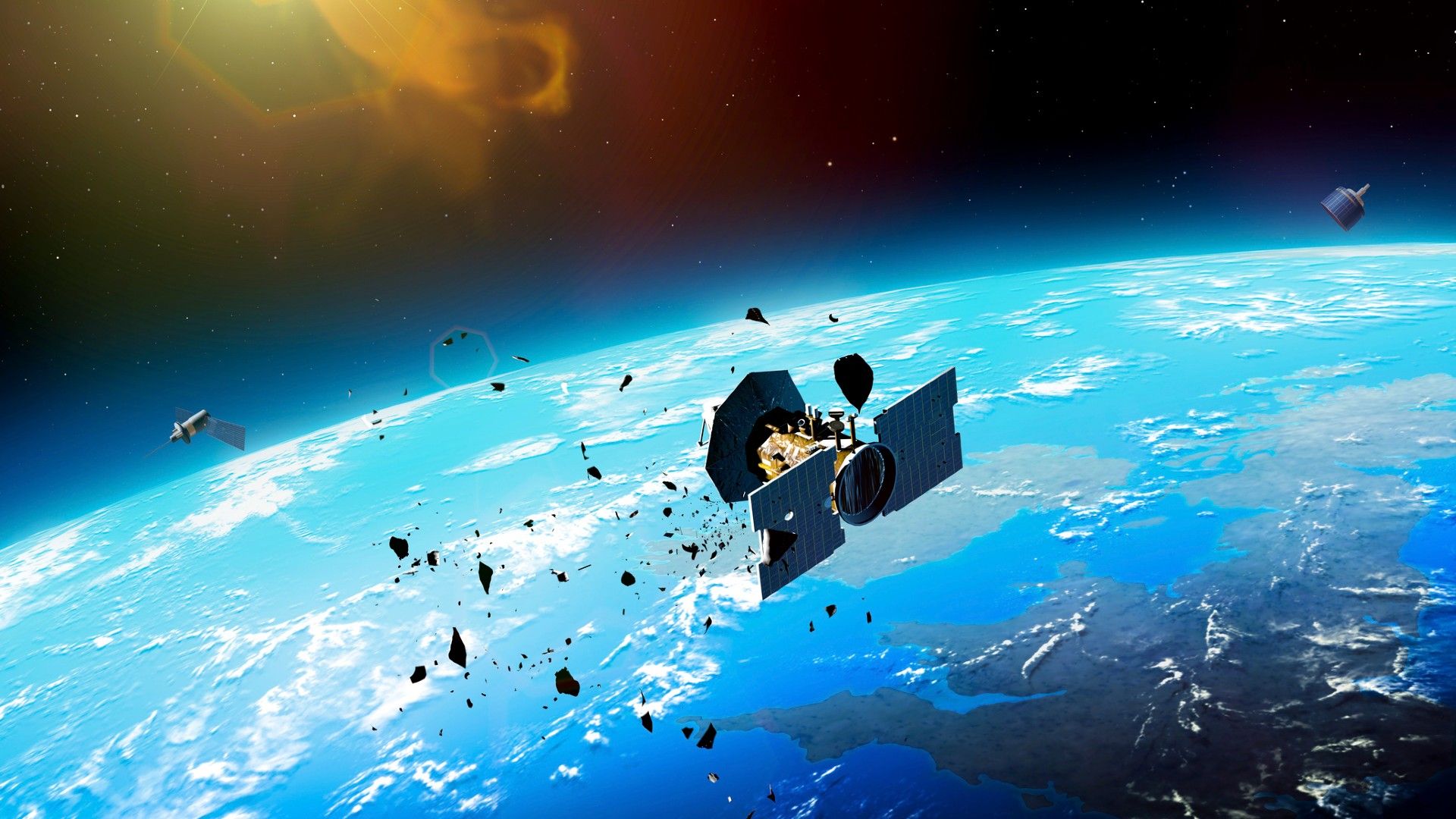
Russia has placed Kosmos 2589 into geosynchronous orbit, joining United States and Chinese spacecraft conducting surveillance of other satellites in the region. A U.S. Space Force GSSAP satellite has been maneuvering near the Russian spacecraft, approaching as close as 8 miles. The U.S. is preparing to acquire a new generation of refuelable reconnaissance satellites for the same orbit.
app.buzzsumo.comRussia has now joined the activity with the recent arrival of Kosmos 2589 in geosynchronous orbit. The satellite was launched in June 2025 into a highly elliptical orbit with a smaller spacecraft designated Kosmos 2590.
The pair conducted rendezvous and proximity operations before Kosmos 2589 moved into a circular geosynchronous orbit in April. A U.S. GSSAP satellite, designated USA-325, began maneuvering near Kosmos 2589 shortly after its arrival.
The U.S. spacecraft loops around the Russian satellite twice per day and came within 8 miles on May 1, according to data from commercial space situational awareness company COMSPOC. The U.S. military has operated the Geosynchronous Space Situational Awareness Program, or GSSAP, satellites since 2014.
These spacecraft use optical telescopes to image other satellites after making small changes to altitude and inclination to approach within a few dozen miles. China began launching satellites capable of similar close approaches in 2018.
nuclear-hardened strategic communications satellite and a U.S. missile warning platform. Russia previously focused its geosynchronous activities on signals intelligence. Satellites named Olymp or Luch have moved between orbital slots to spend months near Western communications satellites, some of which carry secure military traffic for the U.S.
and NATO. The purpose of Kosmos 2589 remains unclear. Some Western officials suspect it is a higher-altitude version of Russia's Nivelir anti-satellite system that has been tested in low-Earth orbit.
Retired Lt. Gen. John Shaw, a former deputy commander of U.S. Space Command, said it is not surprising that U.S. forces sought to observe the Russian satellite soon after arrival. >"One of the current tactics each side uses is to try to look at a potential target when it first arrives on orbit.
" — retired Lt. Gen. John Shaw (Ars Technica) The activity has prompted the U.S. Space Force to expand its geosynchronous surveillance capabilities. Current GSSAP satellites, built by Northrop Grumman, have limited fuel that restricts how often they can be maneuvered.
Gen. Stephen Whiting, commander of U.S. Space Command, said the service wants greater ability to maneuver satellites for advantage. The next program, known as RG-XX or Andromeda, will field cheaper, refuelable satellites using a proliferated architecture.
Space Systems Command said the RG-XX satellites will provide predictive battlespace awareness to support offensive and defensive space operations. The program aims to study adversary strategies, tactics, intentions and capabilities while also supporting anomaly resolution for U.S. systems.
The Space Force has fewer than eight GSSAP satellites active. It has not disclosed how many RG-XX satellites it plans to acquire. Earlier this year Space Systems Command selected multiple companies including Anduril Industries, Astranis Space Technologies, BAE Systems, General Atomics, Intuitive Machines, L3Harris, Lockheed Martin, Millennium Space Systems and Northrop Grumman to participate in the program.
All maneuvering in geosynchronous orbit is visible to amateur astronomers and satellite trackers.
Key Facts
Story Timeline
5 events- June 2025
Russia launches Kosmos 2589 and Kosmos 2590 into highly elliptical orbit.
1 sourceArs Technica - April 2026
Kosmos 2589 arrives in circular geosynchronous orbit at approximately 98°E.
1 sourceArs Technica - May 1, 2026
U.S. GSSAP satellite USA-325 approaches within 8 miles of Kosmos 2589.
1 sourceArs Technica - May 5, 2026
COMSPOC releases video showing orbital interactions between the satellites.
1 sourceArs Technica - 2026
U.S. Space Force advances RG-XX program to field refuelable GEO surveillance satellites.
1 sourceArs Technica
Potential Impact
- 01
Space Systems Command has awarded contracts to multiple companies for the RG-XX program.
- 02
U.S. Space Force will deploy a new generation of refuelable surveillance satellites in geosynchronous orbit.
- 03
Increased close-proximity operations between U.S., Chinese and Russian satellites in GEO.
- 04
Greater visibility of military satellite capabilities to all three nations and amateur observers.
Transparency Panel
Related Stories
investors.comTesla Cuts Model Y Starting Price in India by 12 Percent
Tesla introduced a new Premium rear-wheel-drive Model Y in India and removed the Long Range rear-wheel-drive version. The change lowers the entry price by about 12 percent from the original 2025 launch price.
thesouthafrican.comSouth African Researchers Develop Quantum and AI Tools for Cybersecurity
Scientists and startup companies in South Africa are applying quantum communication and AI-powered tools to address rising global cyber threats. The work focuses on strengthening data protection methods.
EuronewsWorld Urban Forum 2026 Draws 57,000 Participants from 176 Countries
The 13th World Urban Forum concluded with discussions on housing, climate resilience and urban governance. Organisers reported that the sessions informed future strategic priorities.