Substrate
finance

Sen. Coons Questions Commerce Secretary on Nvidia H200 Exports to China

Democratic Senator Chris Coons sent a letter to Commerce Secretary Howard Lutnick seeking clarification on Nvidia H200 AI chip sales to China, citing conflicting statements from Lutnick and Nvidia CEO Jensen Huang. The inquiry follows a Senate hearing where Lutnick said no such chips had been sold. Coons requested specifics on licenses, shipments and future plans within a week.
cnbc.com
Benzinga
2 sources·May 2, 4:59 AM(4 days ago)·1m read
|
Sen. Coons Questions Commerce Secretary on Nvidia H200 Exports to ChinaNASA Headquarters / NASA/Aubrey Gemignani / Wikimedia (Public domain)
Audio version
Tap play to generate a narrated version.
Developing·Limited corroboration so far. This page will refresh as more sources emerge.

Sen. ) sent a letter to Commerce Secretary Howard Lutnick on Thursday demanding answers on sales of Nvidia H200 AI chips to China. The letter, first reported by CNBC on Friday, pressed Lutnick to detail how many H200 chips have received licenses for export to China, how many have been shipped to China, and how many more the Commerce Department plans to license.

Coons asked for a response within the next week. The inquiry stems from conflicting statements on the chip exports. S.

Had not allowed Nvidia's H200 AI chips to be sold to Chinese firms. 'We have not sold them any chips as of yet,' Lutnick said in response to a question from Coons at the hearing. Lutnick further stated during the April 22, 2026, hearing that no chips had been sold to Chinese companies with ties to the Chinese government.

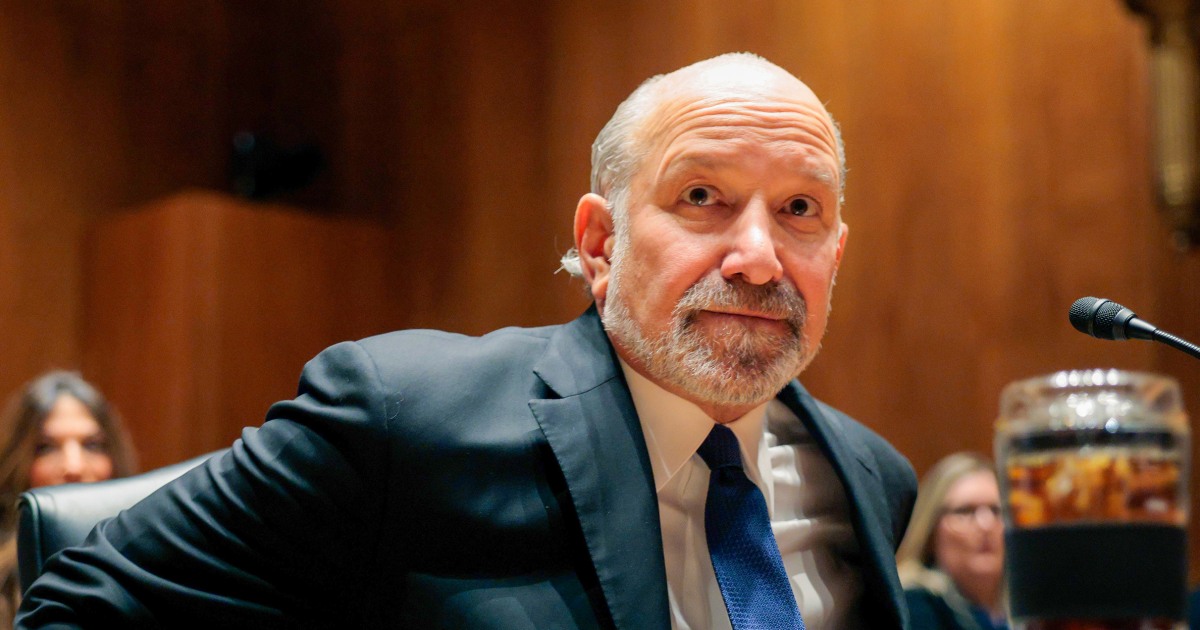
The hearing took place before the Senate Appropriations Subcommittee on Commerce, Justice, Science, and Related Agencies on fiscal year 2027 budget requests on Capitol Hill in Washington, DC. Coons questioned Lutnick at that session. S.

And Chinese governments to sell H200 chips to China. Coons wrote in his Thursday letter that Lutnick's statements before the committee appear to contradict Huang's comments. S.

National security and economic leadership. The Trump administration in 2025 told Nvidia it would need a license to export chips to China and a handful of other countries. At least one-fifth of Nvidia's data center revenue came from China sales previously.

Coons sent his letter weeks before President Donald Trump is scheduled to travel to China to meet with Chinese President Xi Jinping.

Key Facts

Coons' letter to Lutnick
Sen. Chris Coons sent a letter on Thursday demanding details on H200 chip licenses, shipments, and future plans for China exports.
Lutnick's hearing statement
At the April 22, 2026, hearing, Lutnick stated no H200 chips had been sold to Chinese firms or those with government ties.
Huang's contrasting remark
Nvidia CEO Jensen Huang said in March 2026 that approvals were secured from U.S. and Chinese governments for H200 sales to China.
Prior revenue data
At least one-fifth of Nvidia's data center revenue previously came from China sales.
2025 policy
The Trump administration in 2025 required Nvidia to obtain licenses for chip exports to China and other countries.

Story Timeline

4 events
  1. 2026-05-02

    Sen. Chris Coons sent a letter to Commerce Secretary Howard Lutnick demanding answers on Nvidia H200 chip sales to China.

    2 sourcesCNBC · Benzinga
  2. 2026-04-22

    Sen. Chris Coons questioned Commerce Secretary Howard Lutnick at a Senate Appropriations subcommittee hearing on fiscal year 2027 budget requests.

    1 sourceCNBC
  3. 2026-03

    Nvidia CEO Jensen Huang told reporters that Nvidia had secured approvals from both the U.S. and Chinese governments to sell H200 chips to China.

    1 sourceJensen Huang
  4. 2025

    The Trump administration told Nvidia it would need a license to export chips to China and a handful of other countries.

    1 sourceunattributed

Potential Impact

  1. 01

    Contradicting statements may prompt further congressional oversight on AI chip export controls.

  2. 02

    Potential scrutiny could delay or restrict Nvidia's H200 chip exports to China, affecting its revenue from the region.

  3. 03

    National security concerns highlighted could lead to tighter export licenses for advanced technologies.

Transparency Panel

Sources cross-referenced2
Framing risk55/100 (moderate)
Confidence score74%
Synthesized bySubstrate AI
Word count267 words
PublishedMay 2, 2026, 4:59 AM
Bias signals removed3 across 3 outlets
Signal Breakdown
Loaded 2Speculative 1

Related Stories

Oil Prices Drop After Reports of U.S.-Iran Talks on Ending War and Reopening Strait of HormuzJashuah / Wikimedia (CC BY-SA 3.0)
finance37 min ago

Oil Prices Drop After Reports of U.S.-Iran Talks on Ending War and Reopening Strait of Hormuz

Oil prices dropped significantly following reports that the U.S. and Iran are close to a memorandum of understanding to halt fighting and begin nuclear talks. President Trump announced a pause in the U.S. naval escort operation in the Strait of Hormuz. Iran is expected to respond…

cnbc.com
DE
UN
3 sources
FDA Withdraws Studies Supporting Safety of COVID and Shingles VaccinesThe U.S. Food and Drug Administration / Wikimedia (Public domain)
finance37 min ago

FDA Withdraws Studies Supporting Safety of COVID and Shingles Vaccines

The U.S. Food and Drug Administration blocked the publication of research finding rare side effects from COVID and shingles vaccines. The studies were withdrawn due to broad conclusions not supported by data, amid broader efforts by the Trump administration to challenge vaccine r…

cnbc.com
The New York Times
Forbes
3 sources
finance2 hrs ago

UAE Leaves OPEC After 60 Years of Membership, Reducing Group to 11 Producers

The United Arab Emirates departed the Organization of the Petroleum Exporting Countries on Tuesday, reducing the group's membership to 11 nations. OPEC members now account for about 33% of global crude oil output. The exit occurs amid high oil prices and the ongoing closure of th…

BBC News
The Guardian
OilPrice.com
3 sources