technology
SolarPower Europe Analysis: Solar Generation Reduced Europe's Imported Gas Demand, Saving Over €100 Million Daily in March
A SolarPower Europe analysis shows solar power generation cut Europe's imported gas needs and saved more than €100 million per day in March. Plug-in solar panels, popular in Germany, offer affordable alternatives to traditional rooftop systems without professional installation. Experts estimate modest annual savings for UK households using these devices.
May 3, 1:00 AM·1m read1 source
 Euronews
Audio version
Tap play to generate a narrated version.
Developing·Limited corroboration so far. This page will refresh as more sources emerge.
Harnessing sunlight for energy saved Europe more than €100 million per day in March, according to a recent analysis from SolarPower Europe. The savings stemmed from lowered demand for imported gas across the continent. Solar power has emerged as one of the world's fastest-growing renewable energy forms, helping to offset the high costs of fossil fuel dependence.
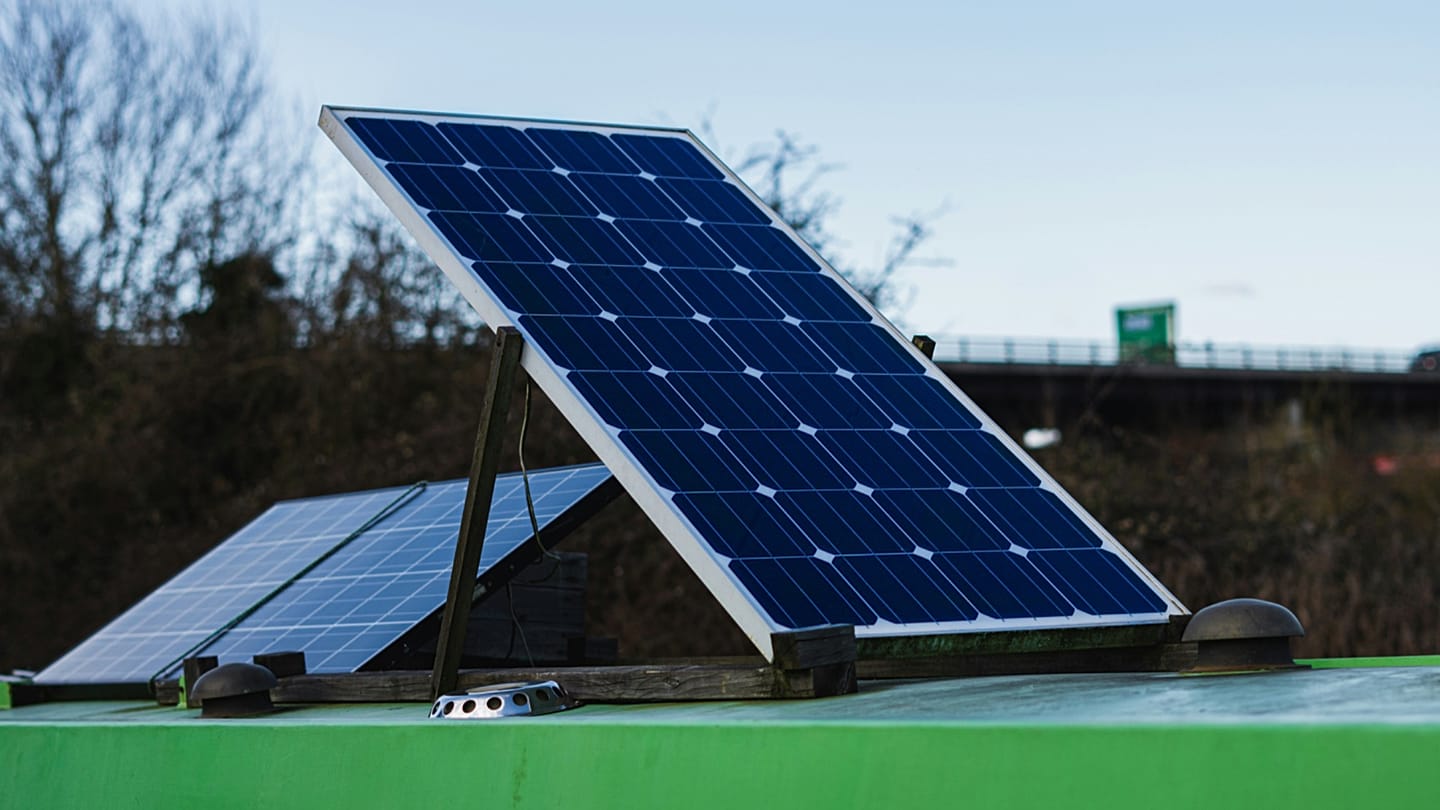
Plug-in solar panels, small devices attachable to external surfaces like balconies, terraces and shed roofs, have gained popularity in Germany. These panels generate power that users can plug directly into a mains socket, treating it like any other household device. In certain European countries, plug-in solar requires no professional installation.
The primary benefit of plug-in solar lies in sidestepping the substantial upfront expenses of traditional rooftop solar installations. This makes them ideal for renters or those in shared accommodations where permanent panels face restrictions. While costing as little as €200 in Germany, plug-in panels produce smaller outputs than rooftop systems, resulting in a lesser effect on overall energy bills.
In the UK, plug-in solar panels are projected to range from £400 to £500 per unit, equivalent to about €462 to €577. Each panel could save an average UK household between £70 and £110 annually, or €80 to €127. com, in comments to Euronews Earth.
Mathie noted that plug-in systems focus on direct use of generated power rather than exporting excess to the grid for payment, unlike traditional rooftop solar. For optimal savings, households should operate appliances during peak sunlight hours. Existing EU-rated plug-in panels typically produce 400 to 500 watts.