South Korean FM Urges Safe Hormuz Navigation in Call with Iranian Counterpart
South Korea's foreign minister discussed resuming safe vessel transit through the Strait of Hormuz with Iran's foreign minister during a phone call. The conversation addressed 26 stranded South Korean ships and broader regional stability. It occurred as U.S. President Trump expressed dissatisfaction with Iran's latest peace proposal.
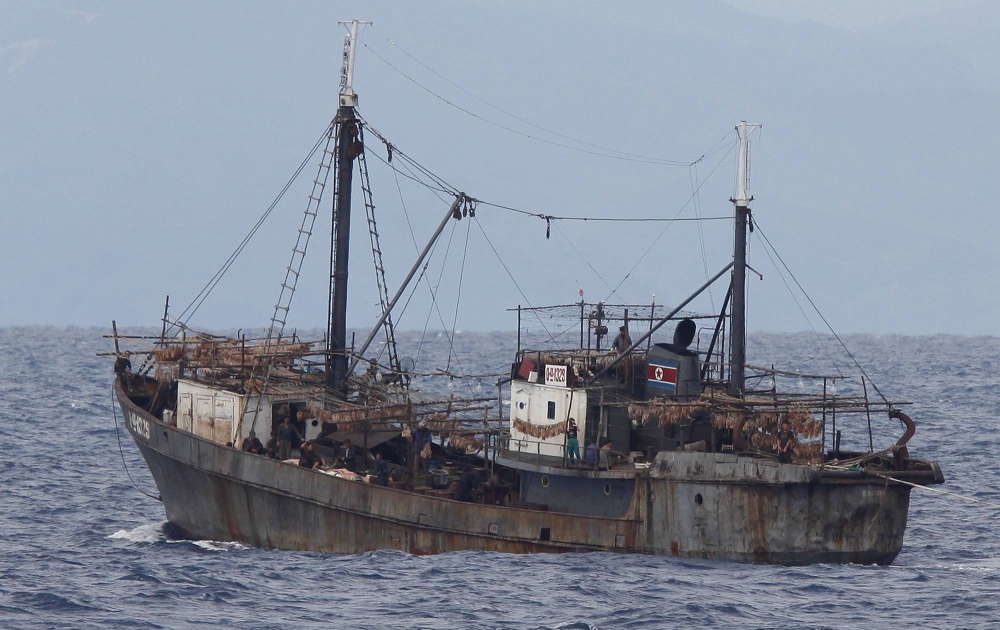
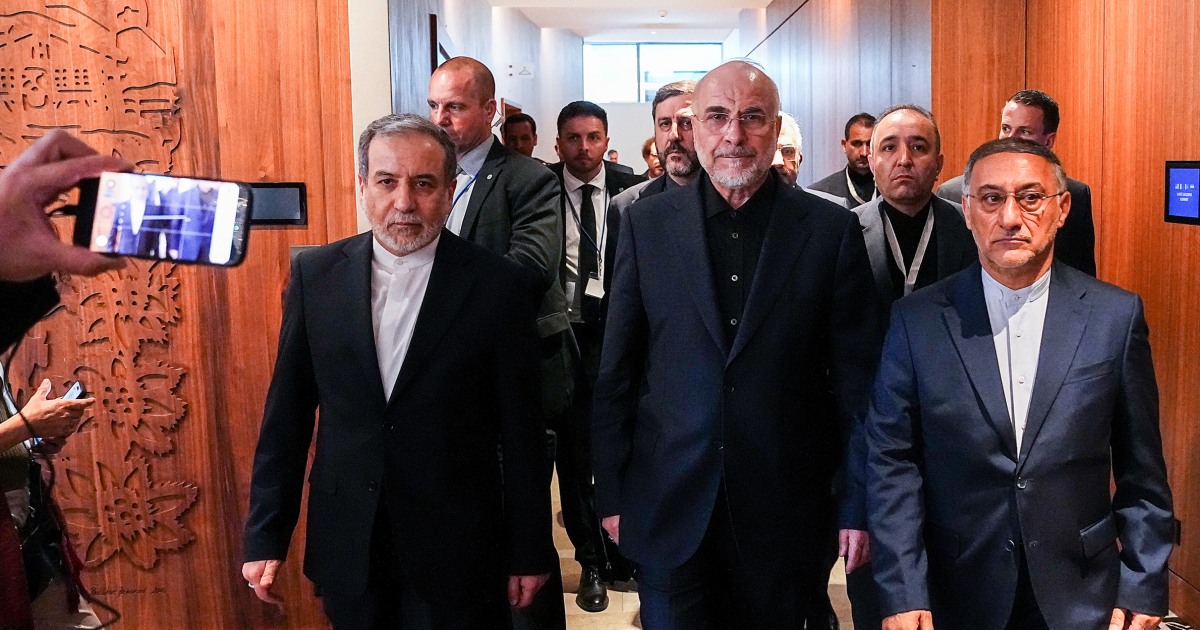
Basile Morin / Wikimedia (CC BY-SA 4.0)South Korea's Foreign Minister Cho Hyun urged his Iranian counterpart, Abbas Araghchi, to ensure the safe resumption of navigation through the Strait of Hormuz during a phone call on Saturday. Cho highlighted that South Korean and other international vessels remain anchored in the waterway since the conflict began in late February.
The ministry stated that the call, initiated by Iran, marked the third such discussion between the ministers since the outbreak. A total of 26 South Korean vessels, carrying more than 170 crew members, have been stranded in the strait following U.S.-Israeli strikes on Iran that sparked the war.
Cho expressed hope for the swift restoration of peace and stability, noting the conflict's impact on global security and the economy. Araghchi outlined Iran's position on negotiations with the United States.
Ongoing U.S.-Iran Negotiations U.S.
On Friday, Trump stated he was not satisfied with Iran's latest proposal. Negotiations remain stalled after the first direct round of talks in Islamabad, Pakistan, last month ended without agreement. This statement came amid the broader regional tensions linked to the Iran conflict. Sources did not provide further details on the meeting's outcomes or additional discussions.
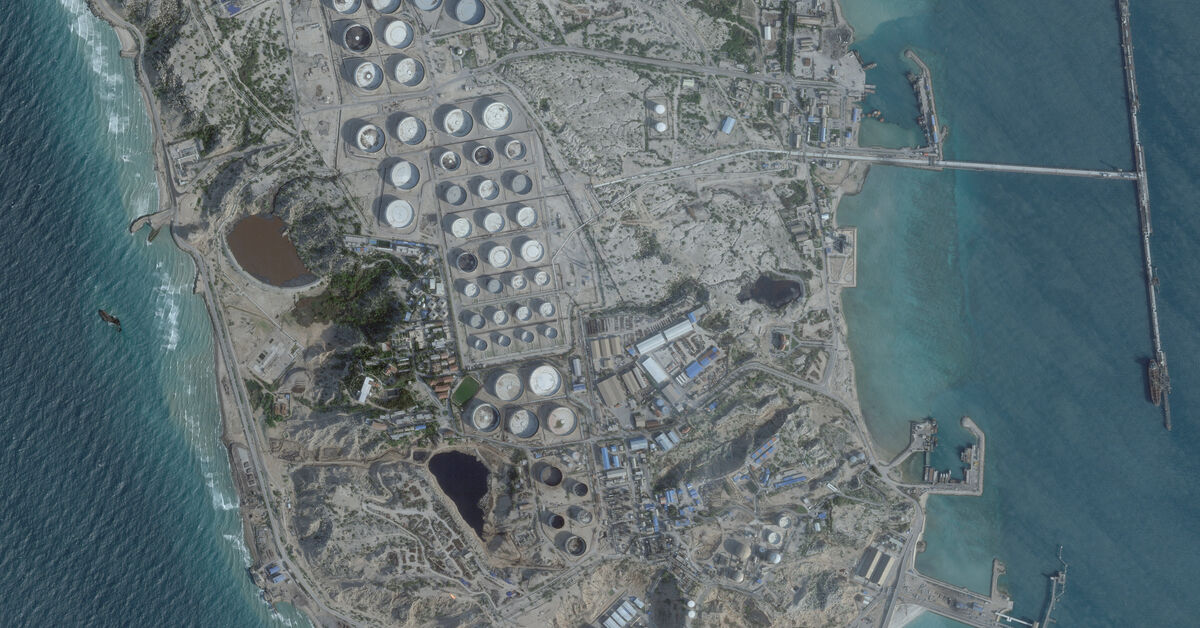
The stranded vessels underscore the economic fallout from the conflict, with the Strait of Hormuz serving as a crucial waterway for global oil transport. South Korea's foreign ministry emphasized the need for safe transit to mitigate disruptions. No immediate resolutions were announced following the call.
The U.S. position focuses on securing a comprehensive peace deal. Iranian officials have engaged in multiple diplomatic outreach efforts, including the recent call with South Korea.
The phone talks build on prior meetings, including one on the margins of the U.N. General Assembly in New York on September 25, 2025. Both sides exchanged views on the ongoing crisis. The ministry noted that international vessels from various nations are affected by the navigation halt.
Egypt's reaffirmation of support for Syria adds to the diplomatic landscape, though it was not directly tied to the Hormuz discussions in available reports. No contradictions emerged between the sources on these events. This comment followed the stalled talks in Pakistan.
South Korea has maintained a stance of careful assessment in response to related U.S. actions, such as tariff adjustments on the EU, though not directly connected.
The stranded crews face prolonged uncertainty, with no timeline provided for resumption. Diplomatic efforts continue amid calls for de-escalation. Sources agree on the vessel count and crew numbers, highlighting the human element of the crisis. Egypt's position on Syria reflects ongoing alliances in the region, potentially influencing future talks.
The foreign ministers' meeting did not specify new initiatives.
Key Facts
Story Timeline
5 events- May 3, 2026
President Trump stated he was not satisfied with Iran's latest proposal and described its leadership as disjointed.
1 sourceYonhap - May 2, 2026
South Korean Foreign Minister Cho Hyun held phone talks with Iranian Foreign Minister Abbas Araghchi, urging safe navigation in the Strait of Hormuz.
1 sourceYonhap - Early April 2026
President Trump extended a ceasefire deadline and urged Iran to present a unified peace proposal amid naval blockades and sanctions.
1 sourceYonhap - Last month (April 2026)
First direct U.S.-Iran talks in Islamabad, Pakistan, ended without agreement.
1 sourceYonhap - Late February 2026
Conflict began following U.S.-Israeli strikes on Iran, leading to stranding of 26 South Korean vessels in the Strait of Hormuz.
1 sourceYonhap
Potential Impact
- 01
U.S. sanctions on Iran will intensify following Trump's dissatisfaction with the proposal.
- 02
Further diplomatic calls between South Korea and Iran will address crew safety.
- 03
South Korean vessels may resume navigation if Iran agrees to safe transit measures.
- 04
Global oil prices could stabilize with restored Hormuz navigation.
- 05
Egypt-Syria ties strengthen amid regional conflict.
Transparency Panel
Related Stories
zerohedge.comNvidia Invests $500 Million in Corning to Boost U.S. Fiber Optic Production for Data Centers
Nvidia formed a partnership with Corning to increase U.S. optical connectivity manufacturing capacity by 10 times and fiber production by more than 50 percent. The deal includes three new plants, over 3,000 jobs, and a $500 million equity-linked investment by Nvidia. Corning shar…
White House Projects $529 Billion in Potential Savings Over Decade From Trump-Era Drug Pricing Policy
White House economists projected $529 billion in savings over the next decade from agreements President Donald Trump reached with pharmaceutical companies. The analysis also forecasts $64.3 billion in Medicaid savings and up to $733 billion if the framework expands.
rte.ieNext Retailer Offsets Higher Fuel Costs With Savings and Selective Price Increases
Average U.S. gasoline retail prices exceeded $4.50 per gallon amid the closure of the Strait of Hormuz after the late February outbreak of Middle East conflict. Next plc will raise prices by up to 8 percent in some markets outside Europe from May to offset £47 million in added fu…