politics
Soviet Citizens Recorded Western Music on Used X-Ray Plates
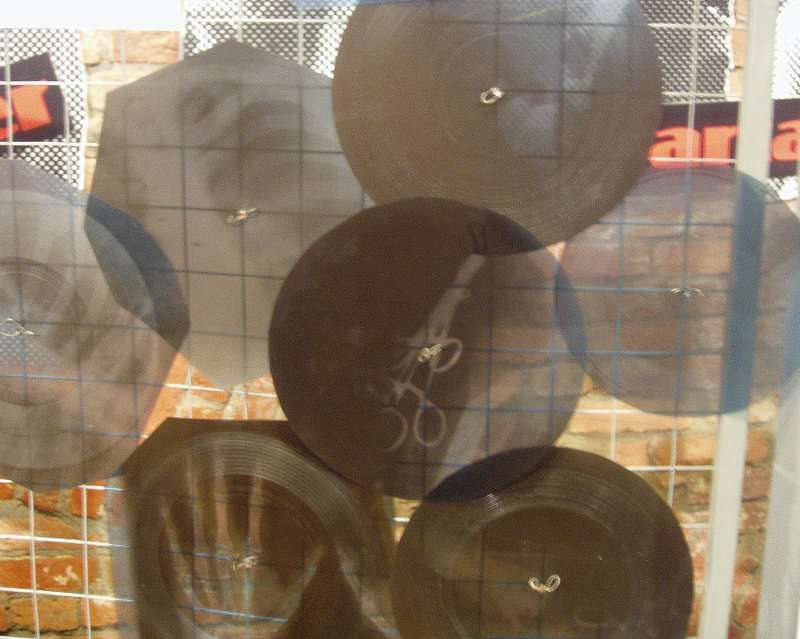
During the Soviet era, people copied banned Western music onto discarded X-ray film when official recording materials were unavailable. The practice began in St. Petersburg and later spread to other cities. The recordings were known as 'Bones' or 'Ribs.'
May 17, 4:47 PM·1m read1 source
 reason.com
Audio version
Tap play to generate a narrated version.
Developing·Limited corroboration so far. This page will refresh as more sources emerge.
In the Soviet Union, authorities restricted distribution of Western music such as jazz and rock. People could sometimes hear the music on foreign shortwave broadcasts but had limited options for recording it. Consumer tape recorders were generally unavailable.
Some individuals built their own recording equipment using machines brought back from Germany after World War II. The state controlled production of vinyl and other standard recording materials.
An alternative recording method emerged using used X-ray plates obtained from hospitals. These plates were cut into discs and used to copy music from smuggled foreign records. ' The practice started in St. Petersburg, where access to foreign records was easier due to its port location.
It later spread to Moscow and other major cities across the Soviet Union. The term 'Roentgenizdat' was used for these recordings, modeled after the word 'samizdat' for self-published literature. A book titled Bone Music: Soviet X-Ray Audio documents the history of the recordings along with an accompanying website.
Transparency
How sources framed this
Single source — no framing comparison available.
CorroborationLimited · 1 source