SpaceX Lists Asteroid Mining Among Potential Future Markets
SpaceX identified asteroid mining as one of several industries that do not exist today but could form part of its long-term market opportunities. The company noted that these sectors remain in early stages of development.
SpaceX stated that asteroid mining is among the industries it views as a possible future market opportunity. The company described asteroid mining as one of several sectors that currently do not exist. It grouped the activity with in-orbit manufacturing, passenger transport to the Moon, passenger and cargo transport to Mars, energy production on the Moon and Mars, and manufacturing capabilities on the Moon and Mars.
SpaceX said these industries are still emerging and that the timing, scale, and pace of their development may differ from current expectations.
The statement appeared in a regulatory filing that outlined anticipated market opportunities. SpaceX noted that certain industries, such as space tourism and cargo transport to the Moon, are still emerging while others, including asteroid mining, do not exist today.
The company added that the manner in which these industries emerge will depend on competitive, technical, regulatory, geopolitical, and economic factors.
Transparency
Story details
Related Stories
Frontier AI Labs Report Rapid Capability Gains and AI-Written Code; Anthropic Calls for Coordinated Slowdown
Anthropic called for a slowdown or pause among labs developing the most advanced AI systems. The request appeared in a Thursday blog post from its research institute.
 Ars Technica
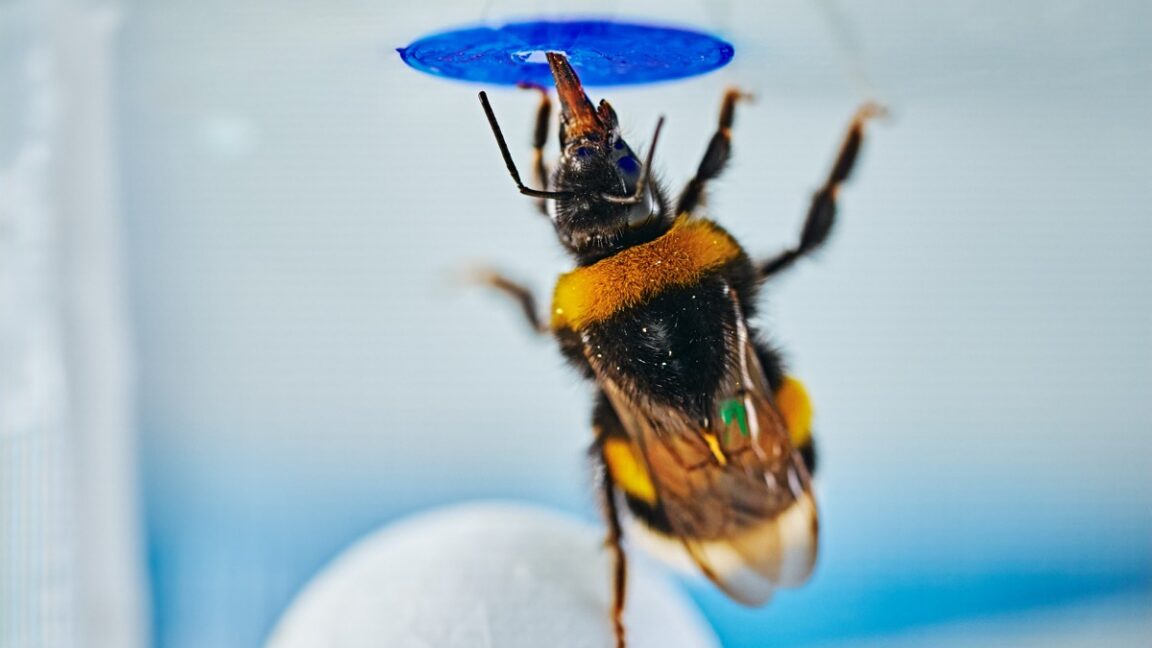
Bumblebees Demonstrate Spontaneous Object Manipulation in Controlled Experiments
A study published in Science shows bumblebees can spontaneously use a ball as a ladder to reach a flower, marking the first demonstration of this type of problem-solving in an insect.
 Euronews
Small Phase 1 Safety Trial Tests First AI-Designed Coronavirus Vaccine Candidate
A Phase 1 safety study of an AI-designed protein vaccine against multiple coronaviruses enrolled 39 volunteers and reported no significant safety issues. A Phase 2 trial is now planned.