Substrate
finance

Strait of Hormuz Disruptions Reduce Global Refined Fuel Inventories to 45 Days of Demand

Disruptions in the Strait of Hormuz following U.S. and Israeli attacks on Iran have led to shortages in jet fuel and petrochemical feedstocks. Goldman Sachs analysts noted rapid depletion of refined product stocks. Crude oil prices have risen over 50% amid the supply constraints.

Insider
1 source·May 5, 5:18 AM(1 day ago)·2m read
|
Strait of Hormuz Disruptions Reduce Global Refined Fuel Inventories to 45 Days of Demandupi.com
Audio version
Tap play to generate a narrated version.
Developing·Limited corroboration so far. This page will refresh as more sources emerge.

Disruptions in the Strait of Hormuz are choking one of the world's most critical energy shipping routes, leading to emerging shortages in specific refined products including jet fuel, petrochemical feedstocks like naphtha, and liquefied petroleum gas used to make plastics and chemicals. S.

and Israel conducted attacks on Iran in late February, triggering supply disruptions that have pushed crude oil futures over 50% higher.

U.S. West Texas Intermediate crude was trading around $104 per barrel. Goldman Sachs analysts wrote a note on Monday warning that the speed of depletion and supply losses in some regions and products are concerning, with easily accessible refined products buffers approaching very low levels fast.

Global commercial refined product stocks have fallen to about 45 days of demand, according to Goldman Sachs estimates, down from around 50 days of demand before the recent disruption. Total global oil stocks are roughly 101 days of demand. Inventories of naphtha have fallen since late February, including a 72% drop in UAE Fujairah storage and a 37% fall in northwest Europe's Amsterdam-Rotterdam-Antwerp hub storage.

Asia outside China and parts of Europe are particularly exposed to the shortages in refined fuels. South Africa, India, Thailand, and Taiwan are among the more vulnerable markets to shortages, Goldman Sachs analysts wrote. The world's biggest carriers have canceled flights due to tightening jet fuel supplies.

Goldman Sachs estimates that European commercial jet fuel inventories, excluding government emergency reserves, could fall below the International Energy Agency's critical 23-day threshold as soon as June. Goldman Sachs analysts wrote that even if Hormuz flows started recovering soon, any full normalization of deliveries would take at least several weeks.
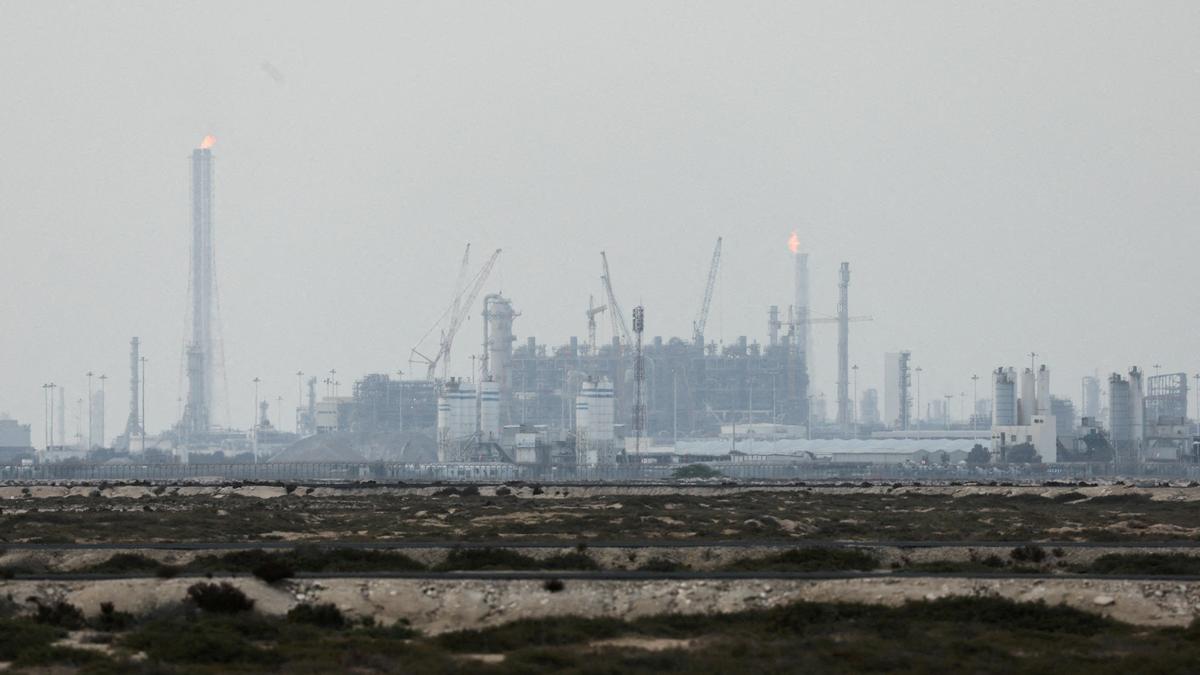
Insider reported that refining bottlenecks and trade frictions are driving these shortages despite ample crude supply.

The global energy markets have been thrown into disarray following the attacks, but overall oil inventories remain above critical levels. Shortages are emerging in specific refined products, especially jet fuel, petrochemical feedstocks like naphtha, and liquefied petroleum gas used to make plastics and chemicals, as refining constraints, trade disruptions, and export restrictions create bottlenecks.

Even where crude oil is available, it cannot always be converted into usable fuel quickly enough, meaning surpluses in one location do not easily offset shortages elsewhere.

Nowhere is this more evident than in aviation, where carriers have canceled flights amid the tightening supplies.

Inventories of naphtha, a critical input for plastics and industrial chemicals, have fallen since late February. The UAE Fujairah storage drop of 72% and the 37% fall in the Amsterdam-Rotterdam-Antwerp hub underscore the rapid declines. Asia outside China and parts of Europe appear particularly exposed, with South Africa, India, Thailand, and Taiwan listed as more vulnerable markets.

The disruptions through the Strait of Hormuz continue to pressure global supply chains.

Brent was at $113 per barrel and West Texas Intermediate at $104 per barrel early Tuesday. S. and Israeli attacks on Iran in late February set off the chain of events leading to these shortages.

Key Facts

Refined product shortages
Shortages emerging in jet fuel, naphtha, and liquefied petroleum gas; global stocks at 45 days of demand
Naphtha inventory drops
72% drop in UAE Fujairah storage and 37% in Amsterdam-Rotterdam-Antwerp hub since late February
Jet fuel impacts
World's biggest carriers canceled flights; European inventories could fall below 23-day threshold by June
Crude oil prices
Brent at $113 per barrel, WTI at $104 per barrel; futures up over 50% due to disruptions
Recovery timeline
Full normalization of deliveries would take at least several weeks even if flows recover soon

Story Timeline

5 events
  1. 2026-05-05

    International Brent crude futures trading around $113 per barrel early on Tuesday; US West Texas Intermediate crude around $104 per barrel

    1 sourceInsider
  2. 2026-05-04

    Goldman Sachs analysts wrote a note warning of rapid depletion of refined products buffers

    1 sourceInsider
  3. 2026-02-28

    US and Israel conducted attacks on Iran; inventories of naphtha began falling significantly

    1 sourceInsider
  4. 2026-02-01

    Pre-disruption global commercial refined product stocks around 50 days of demand

    1 sourceInsider
  5. ongoing

    Disruptions in the Strait of Hormuz choking energy shipping routes; shortages emerging in refined products

    1 sourceInsider

Potential Impact

  1. 01

    Higher crude oil prices affecting global energy costs

  2. 02

    Flight cancellations by major carriers due to jet fuel shortages

  3. 03

    Delayed normalization of Hormuz deliveries extending shortages for weeks

  4. 04

    Industrial supply chain disruptions from naphtha and LPG shortages in vulnerable markets like India and Taiwan

  5. 05

    European jet fuel inventories dropping below critical levels by June

Transparency Panel

Sources cross-referenced1
Confidence score65%
Synthesized bySubstrate AI
Word count491 words
PublishedMay 5, 2026, 5:18 AM
Bias signals removed3 across 3 outlets
Signal Breakdown
Loaded 2Speculative 1

Related Stories

Sen. Tim Scott Criticizes Fed Chair Powell's Plan to Stay After Term EndsThe United States Senate - Office of Senator Kelly Loeffler / Wikimedia (Public domain)
finance5 hrs agoFraming55Framing risk55/100Lede misdirection foregrounds Scott's criticism over Powell's substantive decision to stay on the Fed board amid investigations, burying the core event.Click to jump to full framing analysis

Sen. Tim Scott Criticizes Fed Chair Powell's Plan to Stay After Term Ends

Republican Sen. Tim Scott criticized Federal Reserve Chair Jerome Powell for planning to remain on the Fed's Board of Governors after his chair term ends on May 15, 2026. Scott said the move breaks 75 years of precedent and suggested it might be aimed at President Trump. Powell c…

cnbc.com
New York Post
RealClearPolitics
3 sources
finance1 hr ago

UAE Leaves OPEC After 60 Years of Membership, Reducing Group to 11 Producers

The United Arab Emirates departed the Organization of the Petroleum Exporting Countries on Tuesday, reducing the group's membership to 11 nations. OPEC members now account for about 33% of global crude oil output. The exit occurs amid high oil prices and the ongoing closure of th…

BBC News
The Guardian
OilPrice.com
3 sources
US, Japan, and South Korea Stock Indices Reach Record Highs Despite Iran War DisruptionsEuronews
finance3 hrs agoDeveloping

US, Japan, and South Korea Stock Indices Reach Record Highs Despite Iran War Disruptions

Major stock indices in the United States, Japan and South Korea reached new all-time highs this week, even as the war in Iran disrupts global energy markets and shipping routes. Oil prices stand at a four-year high, with 10-12 million barrels a day disrupted in the Strait of Horm…

Euronews
Semafor
2 sources