science
Studies: Coastal Floods with 1% Annual Chance Now About 12 Times More Likely Since 1900
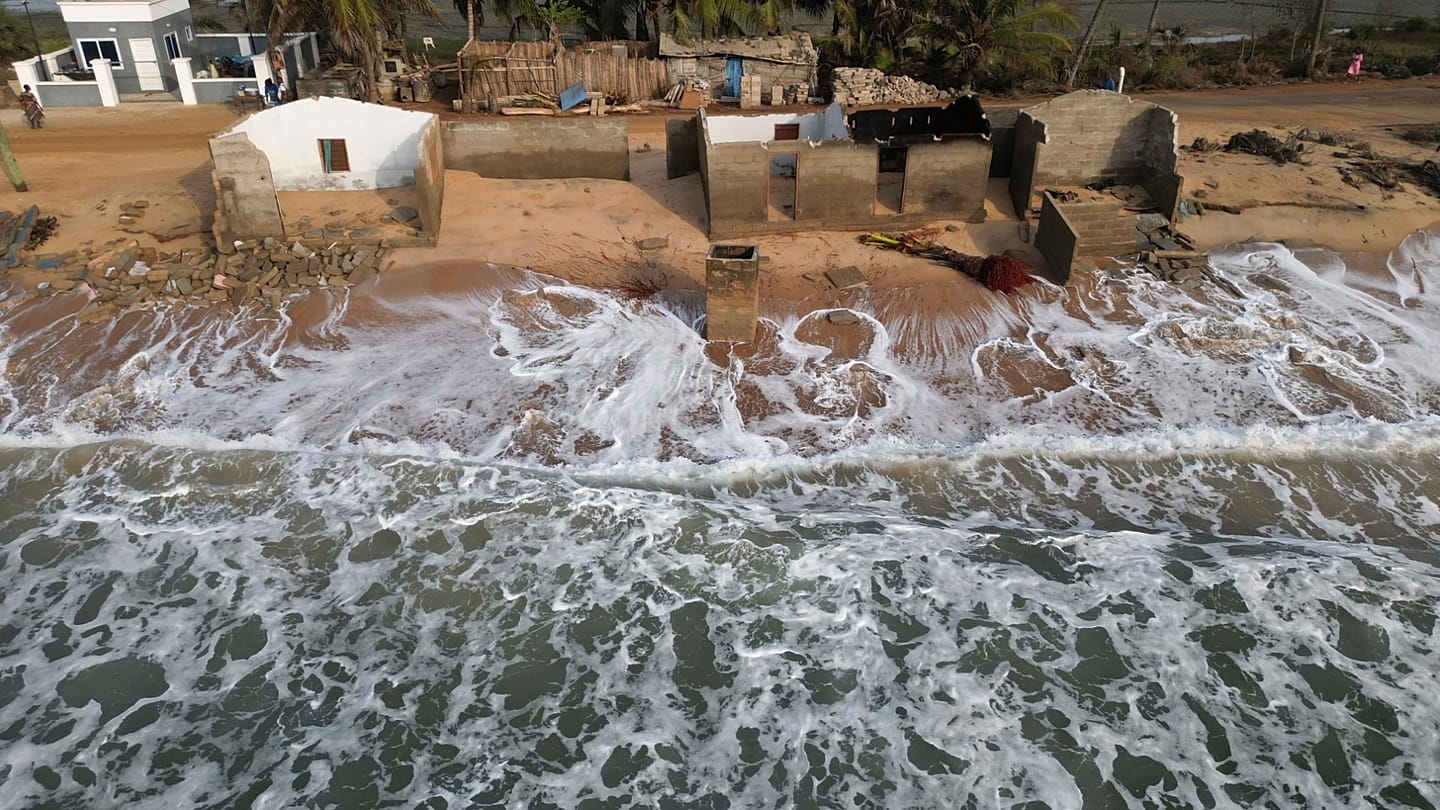
New research published 10 June 2026 shows human-driven sea-level rise has sharply increased the frequency of extreme coastal flooding since the 1960s.
 Euronews
Audio version
Tap play to generate a narrated version.
Developing·Limited corroboration so far. This page will refresh as more sources emerge.
Floods that historically carried a 1% annual chance of striking coastlines are now about 12 times more likely on average, according to a study published 10 June 2026 in the journal Nature Climate Change. The same study found those events have become roughly four times more likely due to human-driven climate change.
Researchers examined long-term tide-gauge records from more than 100 sites covering 1900 to 2005.
They determined that sea-level changes before the 1960s were driven mainly by natural forces, but human-caused warming has been the dominant factor since then. A second study, published the same day in Science Advances, reached similar conclusions using different methods.
It attributed around 58% of the days with big coastal floods between 2000 and 2018 to climate change and found that climate change has nearly tripled the number of days when seas exceed extreme flood levels since the 1970s.
“every coastal flood today has human fingerprints on it through climate change,” said Ben Strauss, chief scientist at Climate Central and a co-author of the Science Advances study. “Since the 1970s, it’s by far the dominating factor, and this is of course not good news,” said Sönke Dangendorf, lead author of the Nature Climate Change study and associate professor at Tulane University.
” He added that planners must now account for the growing threat when deciding how much to spend on coastal defenses and who should pay.
Euronews reported that the findings are intended to help communities plan flood protection and coastal infrastructure as sea levels continue to rise.