Study examines gene expression and aging markers across four mammal species
A new study published in Nature analyzed gene expression patterns and aging indicators in four mammalian species, including humans. Researchers developed transcriptomic clocks to supplement existing methods for predicting health outcomes.
 neurosciencenews.com
A study published in Nature examined gene expression and aging markers across four mammalian species, including humans. The research added transcriptomic clocks to existing epigenetic, organ, and cellular clocks used for health outcome predictions. The study identified several proteins associated with disease and event risk prediction.
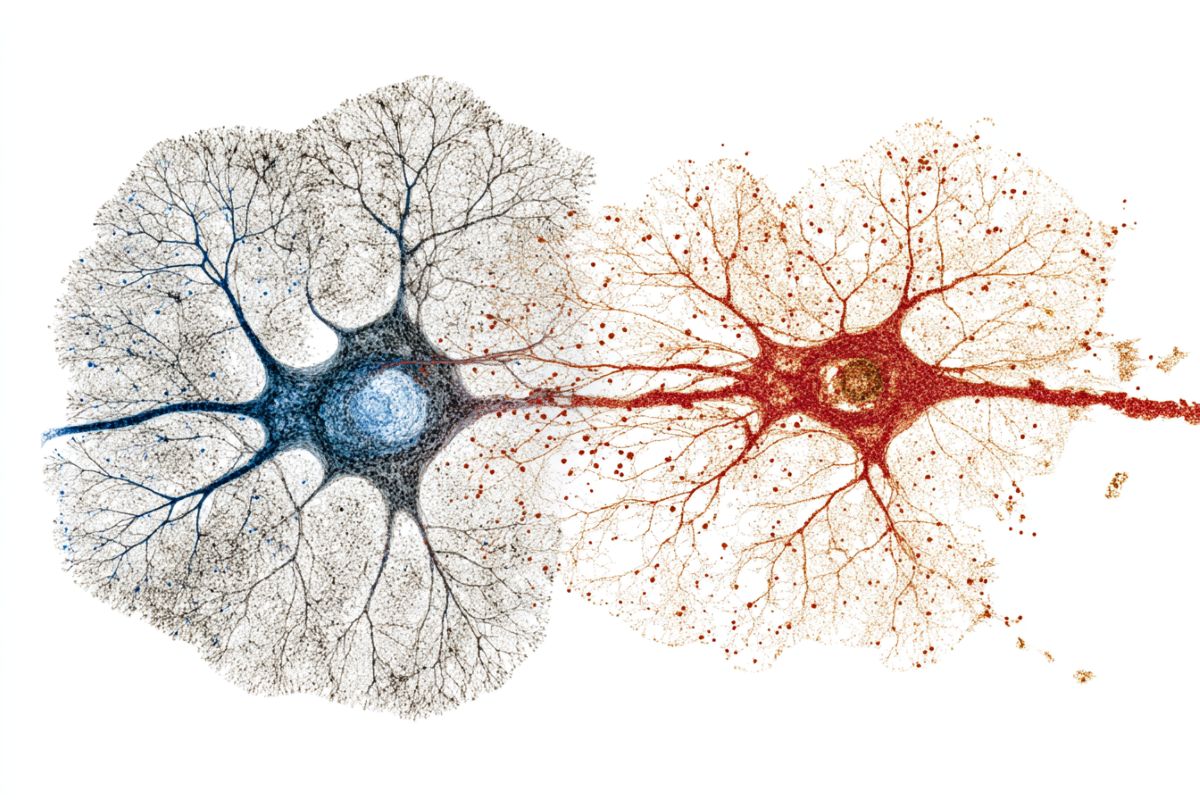
These findings were presented in an accompanying figure within the publication. The work contributes additional measurement tools for assessing biological aging processes across species.
Key Facts
Potential Impact
- 01
Health researchers may incorporate transcriptomic clocks into aging studies.
- 02
Additional protein markers could be tested in future disease prediction models.
Transparency Panel
Related Stories
 Npr
NprWHO Director Visits Congo as Ebola Outbreak Spreads
The head of the World Health Organization arrived in Kinshasa to support efforts against a rare Ebola strain. Health workers face equipment shortages, community distrust, and armed conflict in affected provinces.
 medpagetoday.com
FDA Panel Recommends XFG Variant for Fall Covid Shots
Replimune will submit an application to the FDA for the third time. Pfizer and Innovent Biologics reached a collaboration agreement valued at up to $10.5 billion.
Benzinga Publishes Article on Biotech Stocks During Pandemic Recovery
Benzinga published an article titled 'Best Biotech Stocks Right Now' that addresses the sector's position during global recovery from the pandemic. The piece notes government institutions and professional traders are focusing on biotech companies for vaccine and booster developme…