Substrate
health

Study Finds Higher Vitamin B6 Levels in Beer Than Previously Estimated

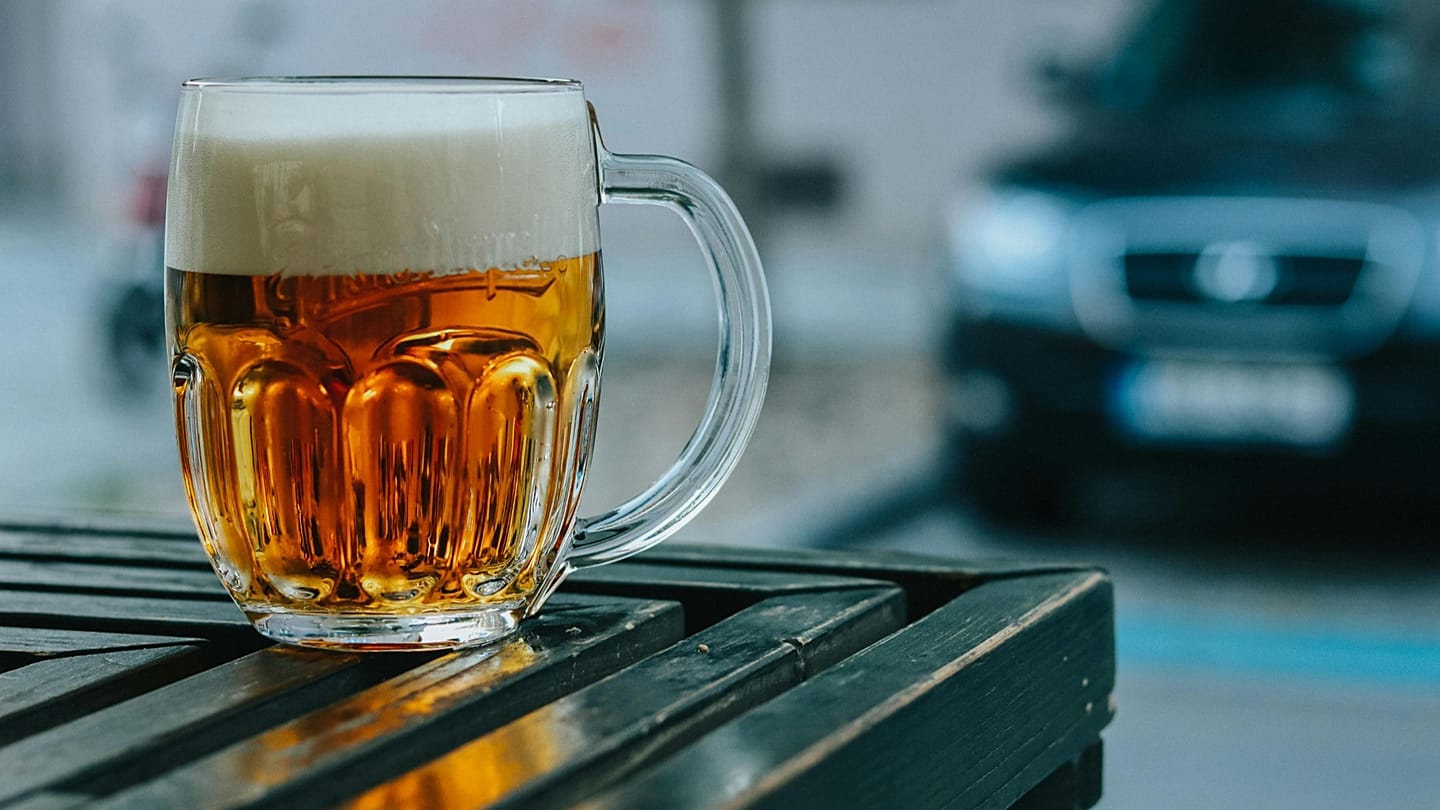
A recent study published in the Journal of Agricultural and Food Chemistry analyzed 65 German beers and found vitamin B6 concentrations ranging from 95 to over 1,000 micrograms per litre. The research indicates that a standard serving could provide about 15% of daily vitamin B6 needs, with no significant difference between regular and alcohol-free versions.
Euronews
thedrinksbusiness.com
2 sources·Apr 25, 5:00 AM(11 days ago)·2m read
Study Finds Higher Vitamin B6 Levels in Beer Than Previously EstimatedEuronews
Audio version
Tap play to generate a narrated version.
Developing·Limited corroboration so far. This page will refresh as more sources emerge.

Researchers analyzed 65 commercially available German beers using a new laboratory technique, as reported by Euronews. The study, published in the Journal of Agricultural and Food Chemistry, determined that vitamin B6 levels in these beers were higher than previous estimates.

Concentrations varied by beer type, with bock beer showing the highest average of 808 micrograms per litre. Vitamin B6 supports brain, blood, and immune system functions and is found in foods such as fish, organ meats, potatoes, non-citrus fruits, soya beans, legumes, peanuts, and fortified cereals.

The body cannot produce it independently. The study's authors stated that a standard beer serving could meet approximately 15% of daily vitamin B6 requirements.

The research linked variations in vitamin B6 primarily to raw materials rather than brewing methods. Beers brewed from barley contained significantly higher levels, as barley has nearly four times more vitamin B6 than rice. Standard lagers averaged 515 micrograms per litre, while wheat and rice beers had the lowest concentrations.

No significant difference was found in vitamin B6 content between regular lager and alcohol-free versions. Alcohol-free beers produced by full fermentation followed by alcohol removal through methods like vacuum distillation or membrane filtration showed a positive impact on B6 concentration.

One alcohol-free lager sample contained 761 micrograms per litre, enough for a 500ml bottle to cover about a quarter of a woman's recommended daily intake.


deficiency affects around one in five European teenagers and one in ten Americans, with links to depression, cardiovascular disease, and inflammation. However, the World Health Organization states there is no safe level of alcohol consumption. Alcohol is classified as a Group 1 carcinogen, associated with cancer, liver disease, heart issues, and negative brain effects.

A study published last year in BMJ Evidence-Based Medicine, involving about 560,000 people in the UK and US, found that higher alcohol consumption correlated with increased dementia risk. >"For anyone who chooses to drink, our study suggests that greater alcohol consumption leads to higher risk of dementia," — Stephen Burgess, a statistician at the University of Cambridge.

Another study using brain scans linked one or two daily units of alcohol to reductions in brain volume and structural changes potentially related to memory loss and dementia.

Key Facts

Vitamin B6 range
95 to over 1,000 micrograms per litre in beers
Bock beer average
808 micrograms per litre highest
Daily requirement met
15% from standard serving
Alcohol-free equivalent
no significant B6 difference from regular
Deficiency rates
one in five European teens, one in ten Americans

Story Timeline

3 events
  1. Recent

    Study on vitamin B6 in 65 German beers published in the Journal of Agricultural and Food Chemistry.

    1 sourceEuronews
  2. Last year

    Research in BMJ Evidence-Based Medicine linked higher alcohol consumption to increased dementia risk.

    1 sourceEuronews
  3. Prior

    Another study using brain scans associated daily alcohol units with brain volume reductions.

    1 sourceEuronews

Potential Impact

  1. 01

    Increased public interest in alcohol-free beers as a vitamin B6 source without alcohol risks.

  2. 02

    Breweries may highlight vitamin content in marketing for barley-based products.

  3. 03

    Heightened awareness of vitamin B6 deficiency links to health issues.

  4. 04

    Potential updates to nutritional guidelines on beer and vitamin intake.

Transparency Panel

Sources cross-referenced2
Framing risk28/100 (low)
Confidence score75%
Synthesized bySubstrate AI
Word count377 words
PublishedApr 25, 2026, 5:00 AM
Bias signals removed1 across 1 outlet
Signal Breakdown
Amplifying 1

Related Stories

Trump Nominates Dr. Nicole Saphier for Surgeon General After Previous Nominee WithdrawsThe Times
health4 days agoUpdated

Trump Nominates Dr. Nicole Saphier for Surgeon General After Previous Nominee Withdraws

President Trump announced Dr. Nicole Saphier, a 44-year-old radiologist and Fox News contributor, as his nominee for U.S. surgeon general on Thursday, following the withdrawal of Dr. Casey Means due to insufficient Senate support. Saphier, who authored a book titled Make America…

The Times
Stat
The Atlantic
Npr
Washington Examiner
5 sources
Supreme Court Considers Cancer Warning Requirement for Monsanto's RoundupUsa Today
health7 days agoDeveloping

Supreme Court Considers Cancer Warning Requirement for Monsanto's Roundup

The U.S. Supreme Court heard arguments on whether Monsanto must add a cancer warning to its Roundup weedkiller, following a $1.25 million verdict awarded to plaintiff John Durnell. The case examines if federal EPA regulations preempt state court lawsuits over labeling. The Trump…

Usa Today
1 source
Nancy Cox, Former CDC Influenza Division Leader, Dies at 77 from GlioblastomaStat
health10 days agoDeveloping

Nancy Cox, Former CDC Influenza Division Leader, Dies at 77 from Glioblastoma

Nancy Cox, who led the CDC's influenza team for 22 years and contributed to global flu surveillance, died Thursday from glioblastoma. She was 77. Colleagues praised her role in pandemic preparedness and vaccine development.

Stat
1 source