Study Finds Seasonal Patterns in Children's Vaccine Antibody Responses
A review of 96 trials covering 48,000 children found stronger antibody responses to several vaccines during winter months in temperate regions. Near the equator, responses showed annual swings but peaked at different times depending on the vaccine.
 oneindia.com
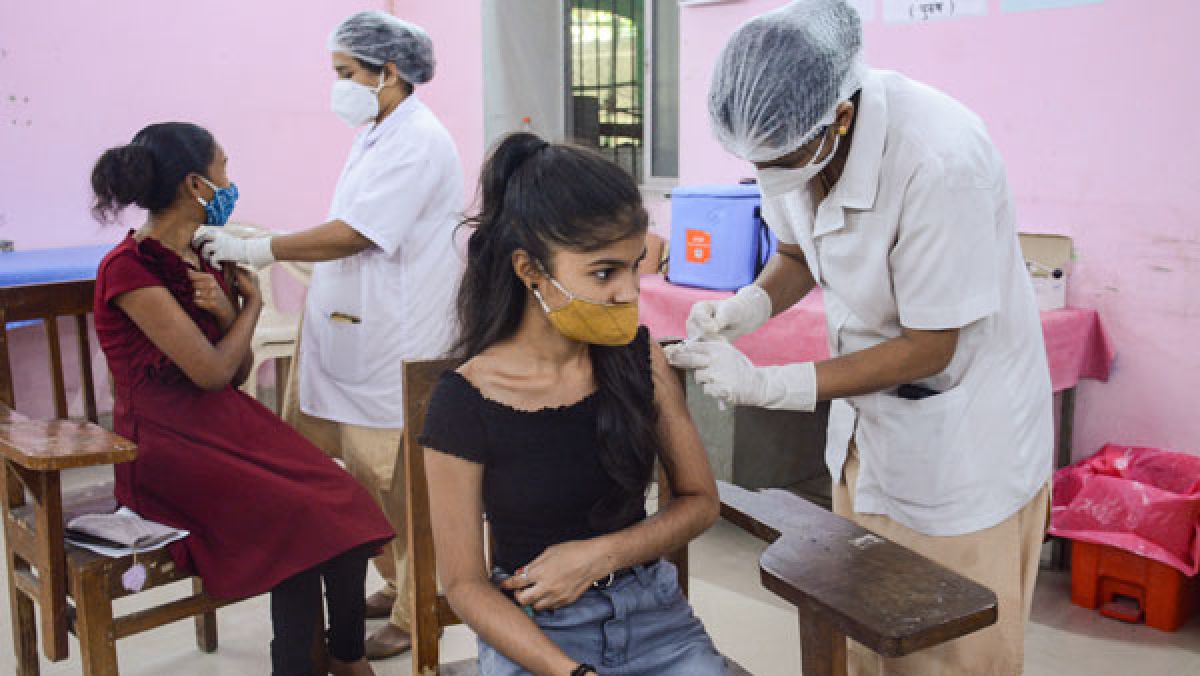
A pooled analysis of 96 randomized controlled trials found that the time of year children received vaccines against polio, measles, chickenpox and other diseases was associated with differences in the strength of their antibody response. The study examined data from roughly 48,000 children across multiple countries and seasons.
Researchers excluded participants who already had antibodies to the target pathogens before vaccination.
In temperate zones of both hemispheres, antibody responses were generally stronger during winter months. Closer to the equator, the timing of peak responses varied by vaccine, with some showing larger seasonal swings than others. The pattern held after accounting for prior exposure, though the study did not identify the exact environmental or biological drivers.
"We found that there is indeed a seasonal immune response," said Laura Barrero Guevara of New York University. Cathy Wyse of the University of Edinburgh, who was not involved in the work, said the results suggest human immune function differs across seasons, similar to patterns observed in other species.
The researchers noted that differences in antibody levels do not necessarily mean differences in protection from disease, and they advised against delaying scheduled vaccinations to chase possible seasonal gains.
Key Facts
Story Timeline
2 events- 2026
Researchers pooled data from 96 vaccine trials involving 48,000 children.
1 source@NewScientist - 2020
Earlier study reported seasonal changes in inflammatory markers and immune cells.
1 source@NewScientist
Potential Impact
- 01
Further studies could test whether specific vaccines produce measurably different protection by season.
- 02
Public health agencies may review whether current vaccination schedules align with observed seasonal patterns.
Transparency Panel
Related Stories
 Npr
NprWHO Director Visits Congo as Ebola Outbreak Spreads
The head of the World Health Organization arrived in Kinshasa to support efforts against a rare Ebola strain. Health workers face equipment shortages, community distrust, and armed conflict in affected provinces.
 medpagetoday.com
FDA Panel Recommends XFG Variant for Fall Covid Shots
Replimune will submit an application to the FDA for the third time. Pfizer and Innovent Biologics reached a collaboration agreement valued at up to $10.5 billion.
Benzinga Publishes Article on Biotech Stocks During Pandemic Recovery
Benzinga published an article titled 'Best Biotech Stocks Right Now' that addresses the sector's position during global recovery from the pandemic. The piece notes government institutions and professional traders are focusing on biotech companies for vaccine and booster developme…