Substrate
science

Study Finds U.S. Forest Service Fuel Treatments Prevent $3.73 in Wildfire Damages per Dollar Spent

A study published in the journal Science analyzed 285 wildfires in 11 Western states from 2017 to 2023. It found that every dollar spent by the U.S. Forest Service on fuel treatments such as prescribed burns and underbrush clearing avoided an average of $3.73 in damages from smoke, property loss and emissions.
Grist
1 source·May 7, 6:00 PM(7 hrs ago)·2m read
Study Finds U.S. Forest Service Fuel Treatments Prevent $3.73 in Wildfire Damages per Dollar Spenthcn.org
Audio version
Tap play to generate a narrated version.
Developing·Limited corroboration so far. This page will refresh as more sources emerge.

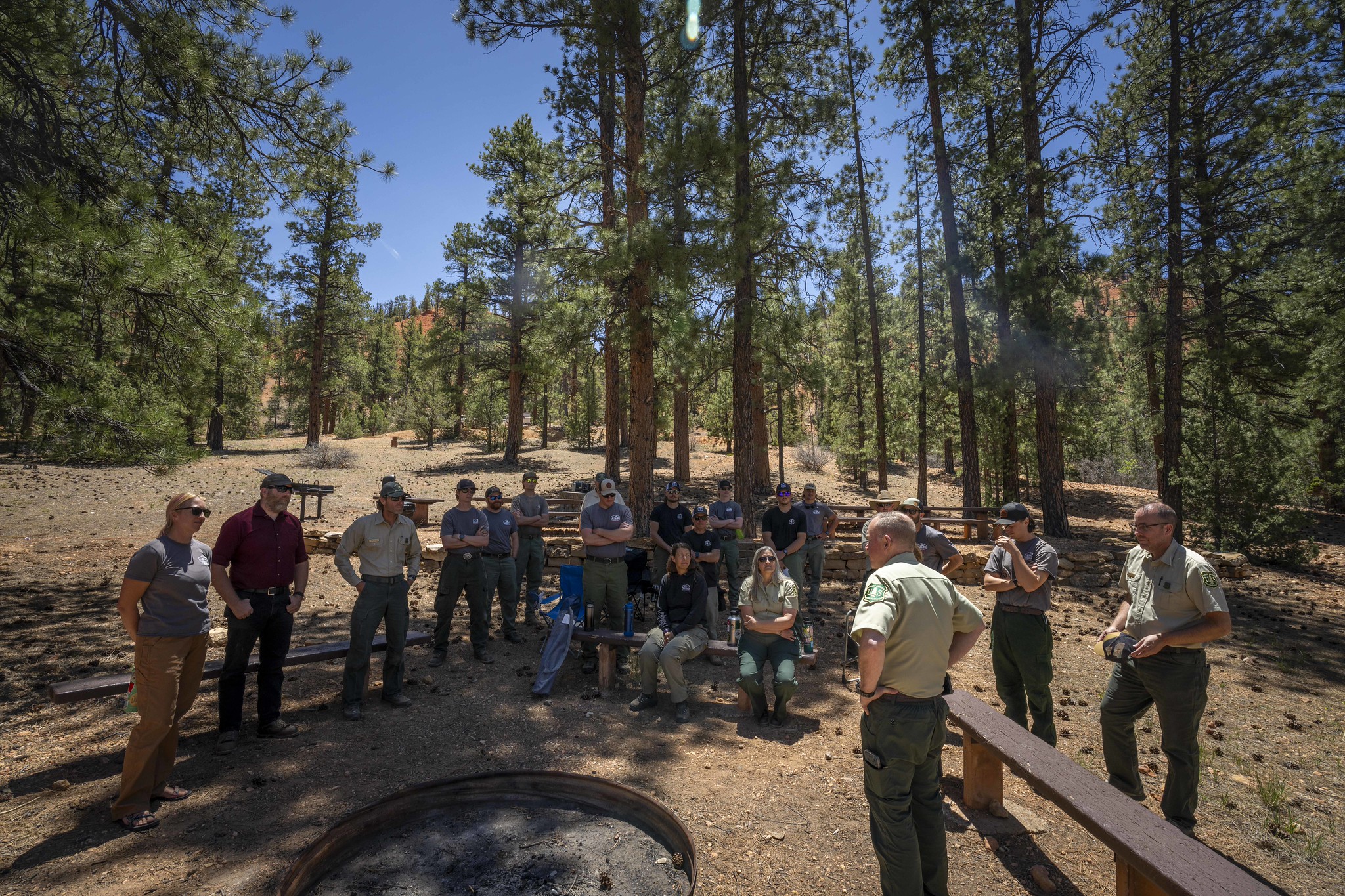
New research shows that fuel treatments conducted by the U.S. Forest Service on public lands reduced wildfire damages. According to a study published in the journal Science, every dollar spent by the agency on tactics such as clearing underbrush, thinning trees and using prescribed burns avoided $3.73 in combined costs from wildfire smoke, property damage and carbon dioxide emissions.

The analysis examined high-resolution data from 285 wildfires that burned through treated areas across 11 Western states between 2017 and 2023. On average the treatments decreased the total area burned by 36 percent and reduced land burned at moderate to high severity by 26 percent.

Researchers then modeled the economic value of those reductions. The study estimated that the treatments prevented $1.39 billion in health and workforce productivity losses tied to wildfire smoke, $895 million in structural damage and $503 million in carbon dioxide emissions.

Larger treatments covering more than 2,400 acres produced the highest returns. Frederik Strabo, the lead author and an economist at the University of California, Davis, said the economic benefits of fuel treatments have been understudied. “A lot of people have suggested that there could be potential economic benefits,” Strabo said.

Calkin, who was not involved in the study, said many benefits are non-market, including ecological improvements and public recreation access. He added that the most costly fires often start near communities, where treatments on federal lands may have limited effect.

“The best way to protect a structure is at the structure itself,” Calkin said. Strabo responded that an unpublished portion of the analysis showed fires interacting with fuel treatments accounted for a disproportionately large share of structure losses and suppression costs.

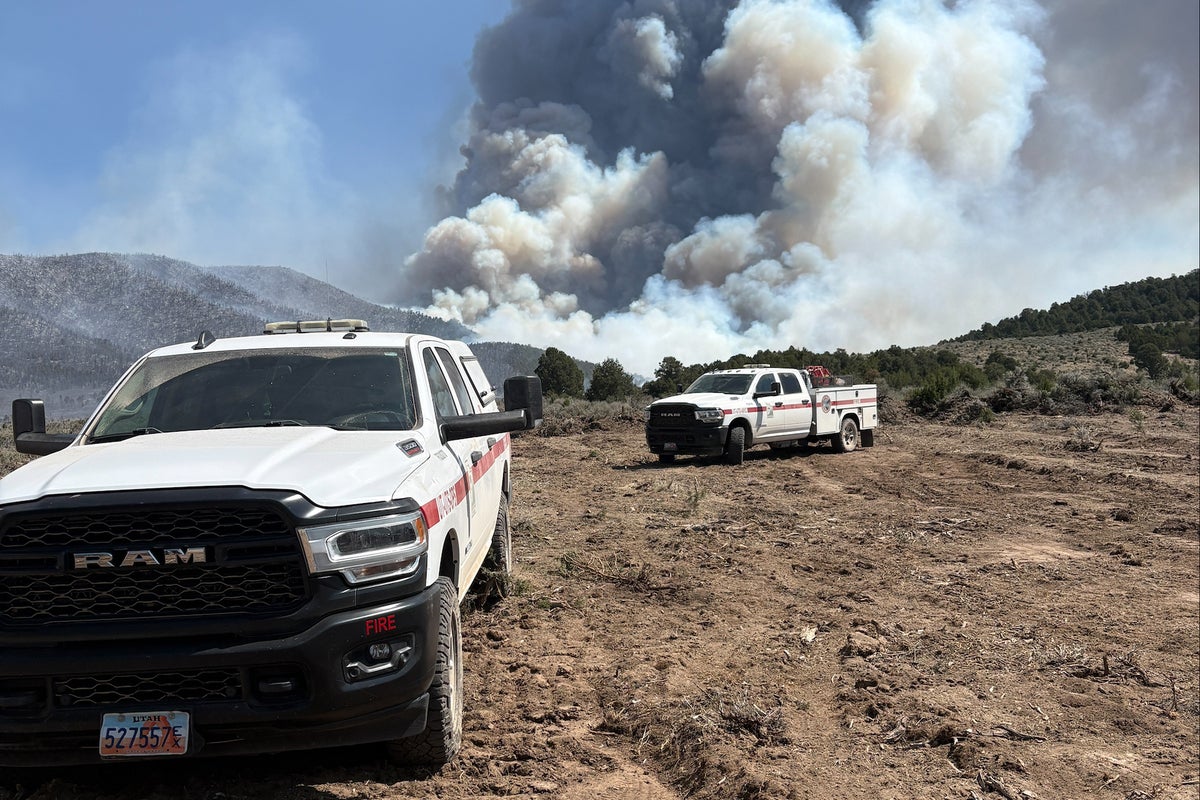
He cited the 2021 Caldor Fire near Lake Tahoe as an example where treatments limited further damage.

and Policy Context

Mark Kreider, a Forest Service researcher, noted that the study did not account for smoke and carbon dioxide emissions produced by the prescribed burns themselves. Because wildfire is unpredictable, more land must be treated than ultimately burns. Kreider said ongoing work is examining how to factor those emissions into future analyses.

The federal government’s approach to forest management has shifted since President Donald Trump returned to office. According to the Forest Service, in 2025 the agency reduced vegetation on about 1 million fewer acres than in 2024. The Trump administration has placed greater emphasis on fighting wildfires than preventing them.

Heather Stricker, a climate and lands analyst with the Sierra Club, said the study provides evidence that a policy of full suppression in Western wildfire situations is misguided. Strabo said scaling up fuel treatments could deliver additional economic and ecological benefits.

“It’s a critically underfunded public good,” he said.

Key Facts

$3.73 saved
per $1 spent on fuel treatments
36 percent
reduction in area burned
$1.39 billion
prevented health and productivity losses
285 wildfires
analyzed from 2017-2023 in 11 states
>2,400 acres
most cost-effective treatment size

Story Timeline

4 events
  1. 2026-05-07

    Study published in Science finds $3.73 saved per dollar spent on fuel treatments.

    1 sourceGrist
  2. 2017-2023

    Researchers analyzed 285 wildfires across 11 Western states that burned through treated areas.

    1 sourceGrist
  3. 2025

    Forest Service reduced vegetation on about 1 million fewer acres than in 2024.

    1 sourceGrist
  4. 2022

    Forest Service released 10-year wildfire plan that increased forest management and prescribed burns.

    1 sourceGrist

Potential Impact

  1. 01

    Further research may incorporate emissions from prescribed burns into cost-benefit models.

  2. 02

    Policymakers may increase funding for prescribed burns and forest thinning on federal lands.

  3. 03

    The Forest Service could expand vegetation reduction treatments beyond 2025 levels.

  4. 04

    State and federal agencies may reference the $3.73 return figure in budget requests.

Transparency Panel

Sources cross-referenced1
Confidence score65%
Synthesized bySubstrate AI
Word count449 words
PublishedMay 7, 2026, 6:00 PM
Bias signals removed4 across 2 outlets
Signal Breakdown
Loaded 2Framing 2

Related Stories

WHO/ILO: 18,960 Non-Melanoma Skin Cancer Deaths in 2019 Attributed to Occupational Sun Exposurenews.sky.com
science1 hr agoDeveloping

WHO/ILO: 18,960 Non-Melanoma Skin Cancer Deaths in 2019 Attributed to Occupational Sun Exposure

Joint WHO and ILO estimates show 1.6 billion working-age people, or 28 percent of the global total, were exposed to solar ultraviolet radiation at work in 2019. The research links this exposure to 18960 non-melanoma skin cancer deaths that year across 183 countries. The organizat…

WH
1 source
Trump Administration Announces Projected Savings From Drug Pricing AgreementsStat
science1 hr agoDeveloping

Trump Administration Announces Projected Savings From Drug Pricing Agreements

The Trump administration is touting massive projected savings from still-secret drug pricing deals even as outside experts question how independently verifiable the figures are. STAT reported on the claims alongside fresh accusations of political interference at the FDA, which wi…

Stat
1 source
Is There a Cure for Hantavirus? Every Treatment on the Table, From Ivermectin to Vaccines.Substrate placeholder — needs review
science10 hrs agoSourced

Is There a Cure for Hantavirus? Every Treatment on the Table, From Ivermectin to Vaccines.

No antiviral or vaccine for hantavirus is approved by the FDA. Some drugs work in vitro but fail in human trials. Ivermectin and hydroxychloroquine — the two most-asked-about repurposed drugs — have zero published research against hantavirus. Here is what every candidate, includi…

Indian Journal of Pharmacology
PubMed
Antiviral Research
10 sources