Substrate
health

Study Links Healthy Plant-Based Diets to Lower Dementia Risk in Adults Over 50

A study published in Neurology examined data from nearly 93,000 adults and found associations between healthy plant-based diets and reduced dementia risk, even when adopted later in life. The research tracked participants for over a decade and emphasized the role of diet quality. Observational findings suggest benefits from whole foods but cannot establish causation.

Euronews
1 source·Apr 9, 4:09 PM(50 days ago)·2m read
Study Links Healthy Plant-Based Diets to Lower Dementia Risk in Adults Over 50thehindu.com
Audio version
Tap play to generate a narrated version.

A study published in Neurology analyzed dietary patterns and health outcomes among 92,849 adults with an average age of 59. Researchers tracked participants for 11 years, during which 21,478 developed Alzheimer's disease or another form of dementia.

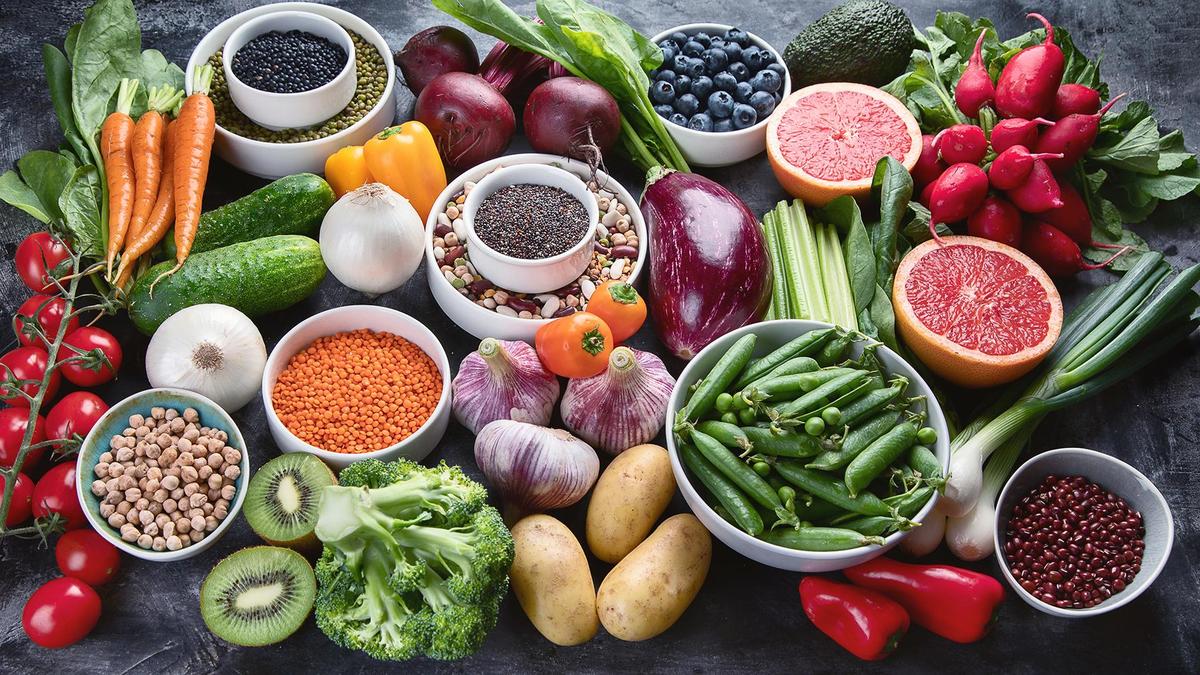
The study focused on plant-based diets, distinguishing between overall plant food consumption, healthy versions rich in whole foods, and unhealthy versions high in refined and processed products.

Participants consuming the highest amounts of plant foods had a 12% lower risk of dementia compared to those consuming the least. When accounting for diet quality, those following the healthiest plant-based diets showed a 7% lower risk, while those with the unhealthiest plant-based diets had a 6% higher risk.

The findings indicate an association, not causation, and highlight the importance of diet quality in potential dementia prevention.

Plant-based diets have been shown to reduce the risk of conditions like diabetes and high blood pressure, but less is known about dementia," said study author Song-Yi Park of the University of Hawaii.

a subgroup of 45,065 participants tracked over 10 years, 8,360 developed dementia.

Those whose diets shifted toward more unhealthy plant-based foods had a 25% higher risk of dementia, while those who improved their diets experienced an 11% lower risk. Adopting a healthier plant-based diet after age 60 was associated with reduced dementia risk in this group. The study relied on self-reported food questionnaires, which may introduce inaccuracies due to recall issues.

However, the large sample size and extended follow-up period support the reliability of the associations observed. Results align with prior research on diets like the Mediterranean or MIND patterns, which emphasize whole, minimally processed foods and link to improved cognitive health.


affects millions worldwide, with Alzheimer's being the most common form.

Risk factors include age, genetics, and lifestyle elements such as diet, physical activity, and education. While the study suggests dietary interventions may help, experts note that observational data cannot prove diet alone prevents dementia; other lifestyle factors likely contribute. The research provides context for public health efforts aimed at cognitive aging.

Affected populations include older adults, with potential implications for dietary guidelines in aging societies. Future studies could explore causal mechanisms through randomized trials to confirm these associations.

Key Facts

92,849 participants
average age 59, tracked 11 years for dementia
21,478 cases
developed Alzheimer's or dementia during study
7% lower risk
for healthiest plant-based diets versus lowest
25% higher risk
for shifts to unhealthy plant-based foods over 10 years
Post-60 adoption
linked to reduced dementia risk in subgroup

Story Timeline

3 events
  1. Publication in Neurology (recent)

    Study published analyzing 92,849 adults' diets and dementia outcomes over 11 years.

    1 sourceEuronews
  2. Over 10-11 years prior

    Researchers tracked dietary habits and health of participants averaging 59 years old.

    1 sourceEuronews
  3. Subgroup analysis period

    45,065 participants monitored for 10 years to assess diet changes and dementia risk.

    1 sourceEuronews

Potential Impact

  1. 01

    Alignment with Mediterranean and MIND diets could strengthen existing nutritional advice.

  2. 02

    Public health guidelines may incorporate healthy plant-based diet recommendations for older adults.

  3. 03

    Increased research funding could target diet quality's role in cognitive health studies.

  4. 04

    Individuals over 60 might adjust diets toward whole foods to potentially lower dementia risk.

Transparency Panel

Sources cross-referenced1
Confidence score70%
Synthesized bySubstrate AI
Word count377 words
PublishedApr 9, 2026, 4:09 PM
Bias signals removed3 across 2 outlets
Signal Breakdown
Loaded 1Editorializing 1Framing 1

Related Stories

Zambia’s Kabwe Residents Sue Mining Company Over Lead ContaminationFrance 24
health4 hrs agoDeveloping

Zambia’s Kabwe Residents Sue Mining Company Over Lead Contamination

Children in Kabwe, Zambia, show blood lead levels above World Health Organization limits after decades of mining. An estimated 140,000 women and children have joined a class-action lawsuit against Anglo American South Africa Limited.

France 24
FR
2 sources
Ebola Outbreak in Eastern DRC Kills at Least 240 Since Early Maycitizen.co.za
health10 hrs ago

Ebola Outbreak in Eastern DRC Kills at Least 240 Since Early May

The virus has spread from Ituri province into other eastern DRC regions and Uganda. Health workers report reduced international aid and limited local resources as they attempt to contain transmission.

The Guardian
1 source
Outbreaks of hantavirus and Ebola prompt U.S. quarantine and travel measuresmanilatimes.net
health8 hrs ago

Outbreaks of hantavirus and Ebola prompt U.S. quarantine and travel measures

The U.S. government ordered quarantines after a hantavirus outbreak on a cruise ship and imposed new traveler restrictions during an Ebola outbreak in Africa. Federal agencies stated that response operations continue despite recent staffing reductions at health agencies.

Cbs News
1 source